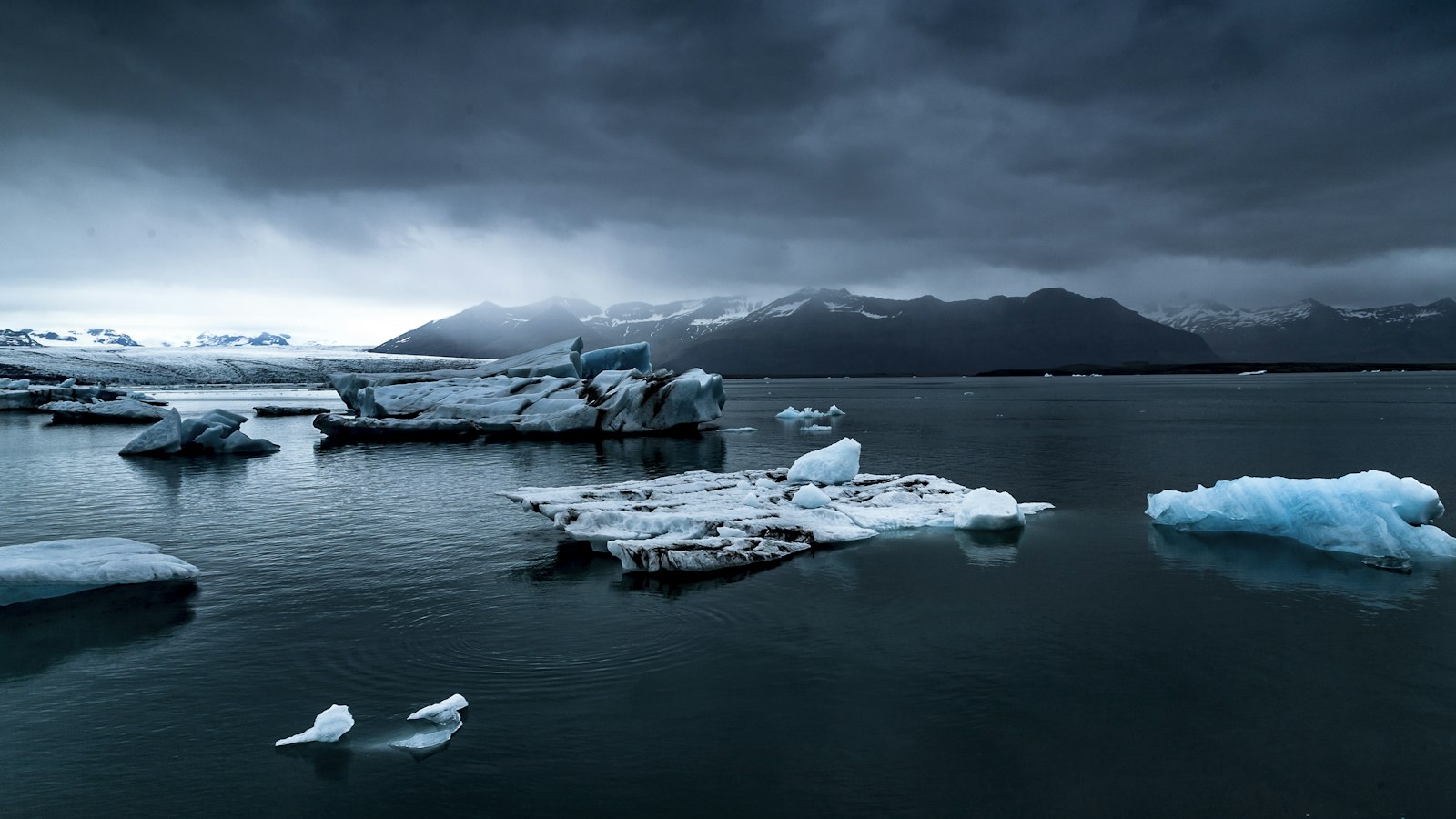
Iceland, known as the Land of Ice and Fire, features stark glaciers, active volcanoes, geysers, and hot springs. Its varied and rugged landscape provides a remarkable setting for travellers interested in natural beauty and outdoor activities such as hiking, skiing, and sightseeing.
Northern lights and the midnight sun
The aurora borealis, or northern lights, is one of Iceland’s most famous sights. These natural displays can appear throughout the year, but the most active period typically runs from September through early April, particularly on clear, dark nights. In contrast, summer brings the midnight sun, when daylight extends nearly around the clock from mid-May to late July. The summer solstice is particularly notable, offering a unique atmosphere for visitors.
Wildlife, landscapes, and outdoor activities
Iceland offers prolific wildlife watching opportunities. More than twenty species of whale inhabit the surrounding waters, including regular sightings of minke and humpback whales. Many tours also highlight the country’s puffin colonies, a favourite among visitors.
For those seeking adventure, Iceland’s terrain ranges from the glaciers of Vatnajökull and the glacial lagoon Jökulsárlón in the southeast to volcanic sites like the Þríhnúkagígur magma chamber. Hikes, snowmobile excursions, and even helicopter rides are available in some locations. Black sand beaches such as Reynisfjara and Diamond Beach near Breiðamerkursandur offer a distinctive Icelandic coastal experience, with basalt cliffs, caves, and sparkling ice fragments on the shore.
Geothermal relaxation and Icelandic cuisine
Geothermal springs are intrinsic to Icelandic life. The renowned Blue Lagoon, as well as numerous smaller pools, offer naturally heated, mineral-rich water for visitors to relax in throughout the year. These warm waters are sustained by the country’s geothermal energy.
Icelandic cuisine emphasises fresh, locally sourced ingredients. Traditional dishes include skyr (a cheese-like dairy snack), salted cod, lamb, lobster, and Icelandic hot dogs. The nation’s food culture reflects a commitment to simplicity and purity, avoiding GMOs and artificial additives.
Sights and local culture
The Golden Circle is a popular 300-kilometre route from Reykjavík that includes landmarks such as Þingvellir National Park, the geothermal area of Haukadalur with its geysers, and the Gullfoss waterfall. Beyond scenic wonders, Iceland is known for its welcoming locals and vibrant cultural heritage, highlighted in villages, museums, and local festivals.