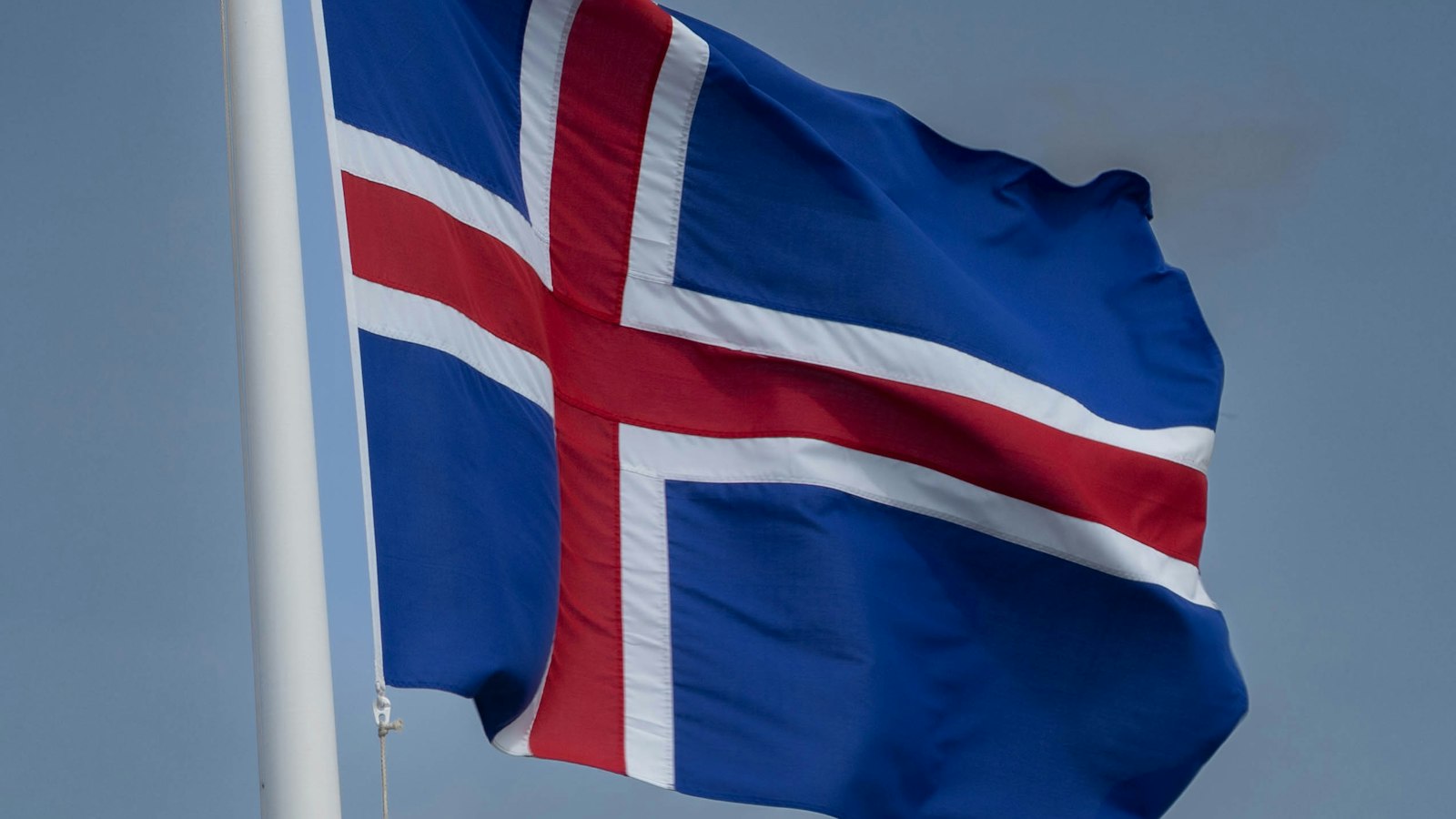
The ways in which Iceland defines citizenship have shifted substantially over centuries, echoing changes in its society, culture and international connections. Today, Icelandic citizenship, technically “ríkisborgararéttur” in Icelandic law, is regulated by the Icelandic Nationality Act, which first took effect at the start of 1953.
Modern Icelandic citizens automatically receive a unique national ID number and mave have access to both an Icelandic passport and identity card, provided they are not subject to a legal travel ban. With Iceland as a member of the European Economic Area (EEA) and the European Free Trade Association (EFTA), citizens hold the right to move freely and work within countries of the European Union and EFTA.
Historical shifts from medieval chieftains to Nordic unity
The island’s population originated with Norse and Celtic settlers in the eighth and ninth centuries. Their governance developed from chieftains to the formation of the Althing in the 10th century, which introduced a local body of laws inspired by Norwegian models. Later, the island’s ties to Norway and Denmark would strongly affect regulation of nationality.
When Iceland entered personal union with Denmark in 1918, there was initially no formal system to allocate citizens between the two nations. The first move toward separate citizenship came with the 1919 law, which was closely modelled after Denmark’s approach of the time. The connection between citizenship and descent became central: children of married Icelandic fathers or unmarried Icelandic mothers typically received Icelandic status from birth. These early statutes also reflected the attitudes of the period, such as automatic loss of citizenship for women marrying foreign men, an approach later abandoned after similar changes in Norway and Sweden in the 1920s.
The republic era and the character of naturalisation
Following Iceland’s transformation into a republic in 1944, nationality law began to reflect both its Nordic affinities and concerns unique to the island. In 1952, a new Act simplified processes and set consistent requirements for naturalisation: seven years of residence, proficiency in the Icelandic language, evidence of economic independence, and positive testimonials from Icelandic citizens. Nordic nationals, however, could naturalise with a shorter residency.
A distinctive rule introduced in the 1952 Act required new citizens to adopt a name consistent with Icelandic naming customs, which are built on patronymics. Exceptions were rare; the decision to permit pianist Vladimir Ashkenazy to retain his name set a precedent that others could petition for exemptions.
In terms of legal language, Iceland makes a careful distinction between “citizenship” (ríkisborgararéttur) as official state membership and “nationality” (þjóðerni), the latter more commonly relating to ethnicity. Although the terms often blur in everyday conversation, official legislation keeps the distinction clear, even if the English translation of the main statute remains “Icelandic Nationality Act.”


