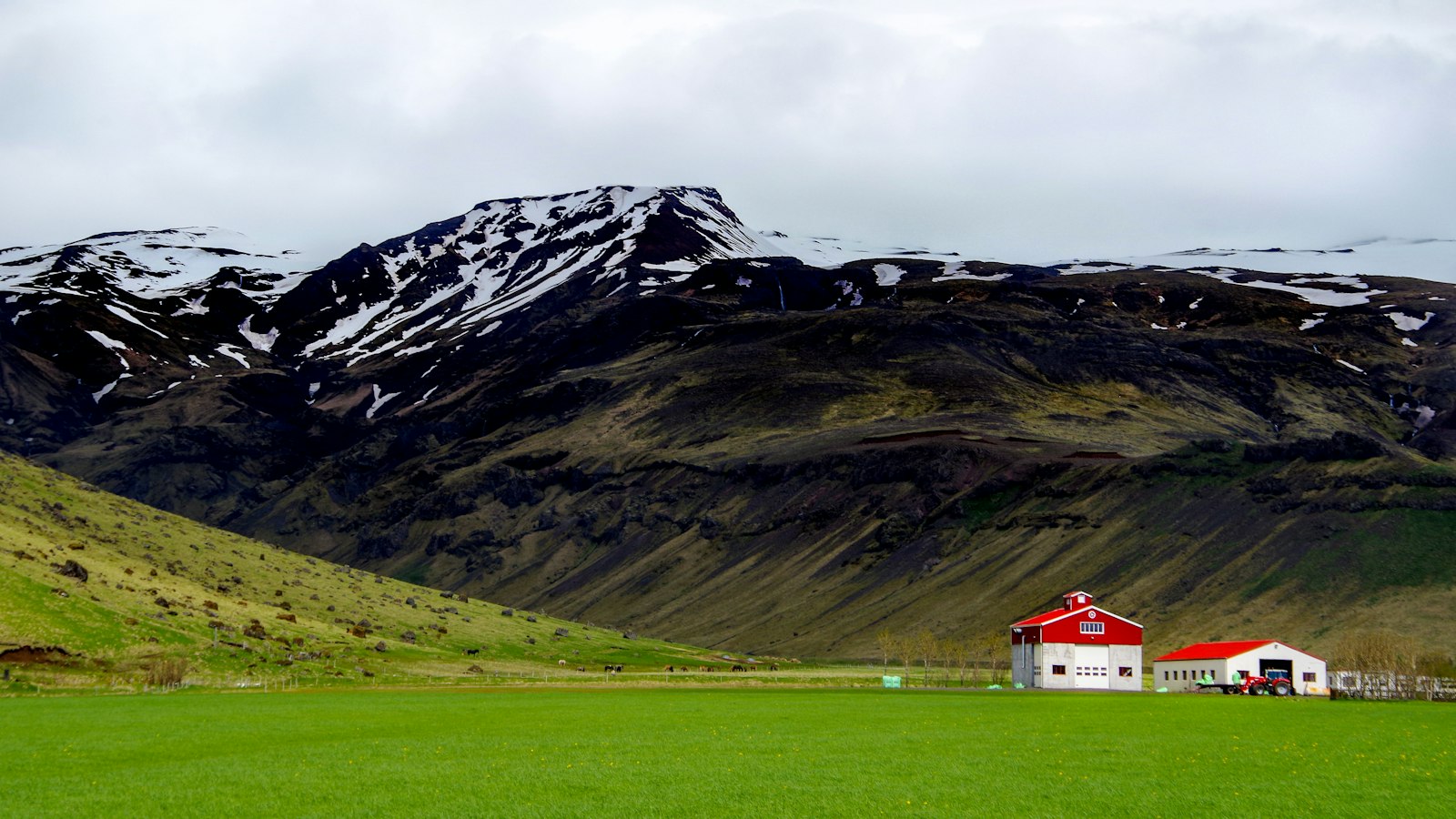
In the heart of Skagafjörður County, west of the Héraðsvötn river in northern Iceland, lay Lýtingsstaðahreppur, a former municipality whose name traces its roots to the Lýtingsstaðir farm in the area known as Tungusveit. This district once covered an expanse from the Krithóll farm near Vatnsskarð, extending southwards to the watershed that marks the dividing line between northern and southern Iceland.
The district was a tapestry of distinct farming communities, each with its own identity. On the west of the Svartá (the “Black River”), Efribyggð and Neðribyggð were found north of the prominent Mælifellshnjúkur mountain and below Hamraheiði, a region that older records refer to as Fremribyggð. East of the river, the landscape transitioned into Tungusveit and, moving south, Vesturdalur. These areas were bordered by valleys: Svartárdalur lay to the west of Vesturdalur, while Austurdalur stretched to the east, though most of Austurdalur belonged administratively to another district. However, the Bústaðir farm, notable for its location, was part of Lýtingsstaðahreppur.
The region included Dalspláss, lying along the Héraðsvötn opposite the farms of Úlfsstaðir, Kúskerpi, and Uppsalir in Blönduhlíð. Despite the challenging climate and remote highland borders, agriculture was the cornerstone of life here, supporting generations of families. Over time, a modest urban character emerged in two spots: Varmalækur in Neðribyggð and Steinsstaðir in Tungusveit, where some found work in the growing service sector. Certain locations benefitted from geothermal heating, which has long been a feature in parts of rural Iceland.
A tradition of community and church
Religious life centred around churches in Reykir, Mælifell, and Goðdalir, which served as both spiritual and social hubs for the scattered farming families. Leadership within the former district followed a tradition of local council elections, with prominent figures from nearby farms guiding community affairs. Names such as Ólafur Guðmundsson, Árni Einarsson, and Elín Sigurðardóttir appear among the past council chairs, reflecting the deeply local nature of rural governance.
The structure of the old hreppur (the Icelandic term for a rural municipality) changed dramatically on 6 June 1998. On that date, Lýtingsstaðahreppur joined with ten other local governments, including Skefilsstaðahreppur, Sauðárkrókur, and Staðarhreppur, to create the larger municipality of Skagafjörður. This reorganisation signalled a shift for the traditional communities, bringing together agricultural, service, and social interests across a much broader landscape.
Sources
- Wikipedia
- Wikipedia (Icelandic) in Icelandic


