For centuries, skyr has formed a quiet but essential part of the Icelandic diet. This cultured dairy food, with a texture somewhere between strained yogurt and soft cheese, is closely woven into Iceland’s culinary history.
Links to Iceland’s medieval past
References to skyr appear in Iceland’s medieval literature, including well-known sagas. Though these texts mention the food, it is uncertain how closely the product of centuries past resembled the skyr familiar in modern Icelandic homes and shops. What is clear is that both the preparation and consistency of skyr could differ from one farm to another. Conditions, family customs, and even the delicate blend of bacteria and yeasts used all contributed to regional variation.
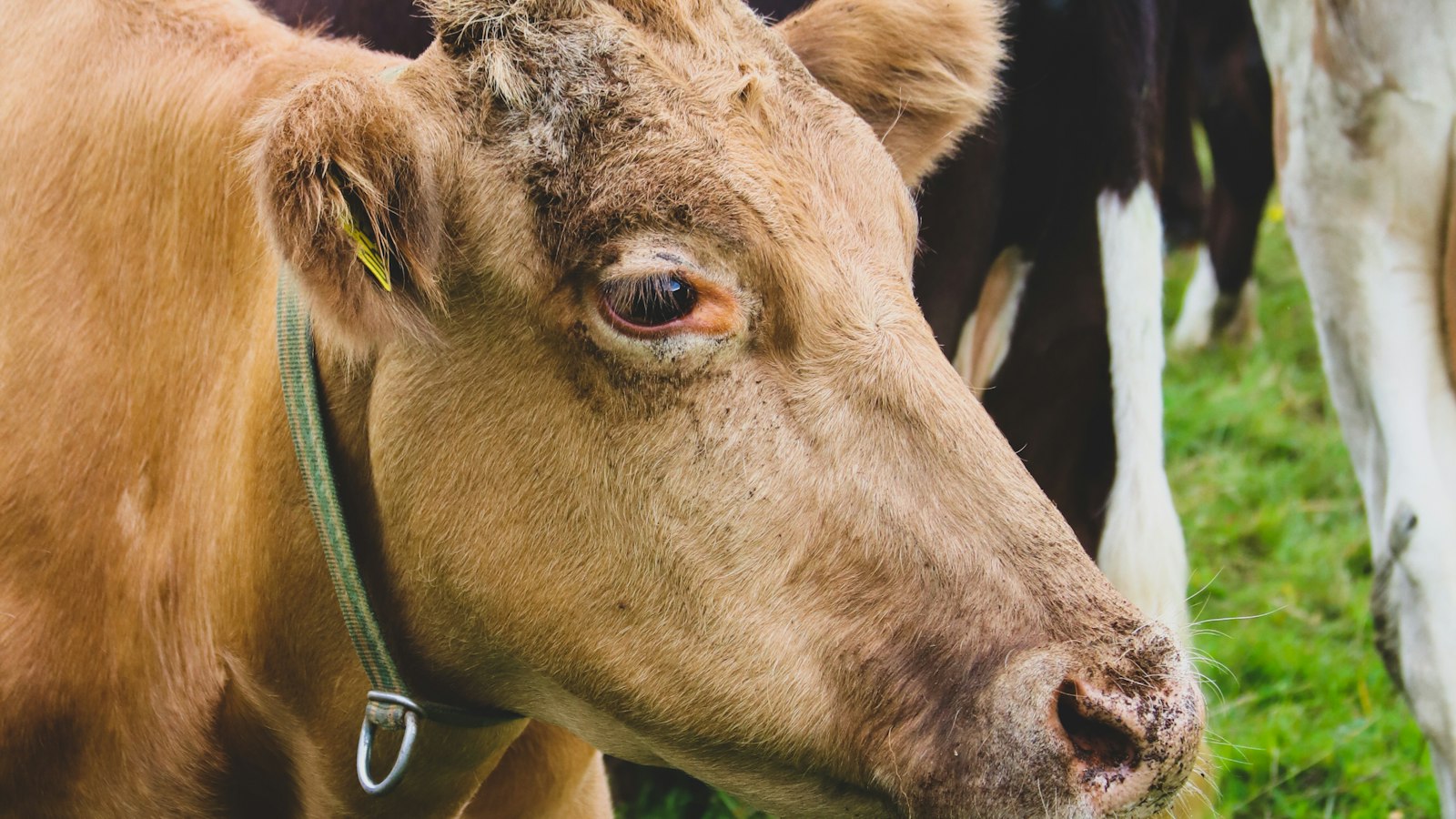
At first, skyr was often made from sheep’s milk and could be eaten or drunk, depending on how it was processed. Sagas describe skyr being stored in pouches or consumed straight from the batch. Over time, it became more common to make skyr with cow’s milk, and production moved from the farm kitchen to industrial dairies.
How skyr is made
Traditional skyr production begins with heating skimmed milk, then cooling it and adding a portion of skyr from a previous batch to provide the essential bacterial culture. Sometimes, rennet is included to create a firmer end product. The milk ferments for several hours, thickens, and is then strained to remove the whey, leaving behind the characteristic smooth, thick skyr.
As Iceland’s dairy industry modernised, production methods changed. Early in the twentieth century, industrial equipment sped up the most time-consuming steps, like straining. Today, most skyr is produced using ultrafiltration systems, which retain more protein and yield a slightly different texture than the home-produced versions.
From local staple to global product
Skyr remains a common feature of Icelandic meals, often eaten plain or with cream, but modern variations may be flavoured with fruit, vanilla, or even coffee. The product first appeared outside Iceland in the early 2000s and has since gained a following abroad, particularly in northern Europe and the United States. The term “skyr” was trademarked in some countries by Icelandic producers, though this claim was later rejected as the name had become generic in the dairy world.
Part of what has attracted global interest is skyr’s nutritional profile. It contains significantly more protein per calorie than skim milk, with very little fat, and a tangy but mild taste. Straddling two worlds, cheese and yogurt, skyr is an emblem of Iceland’s unique relationship with its environment and history.
Sources
- Wikipedia
- Wikipedia (Icelandic) in Icelandic


