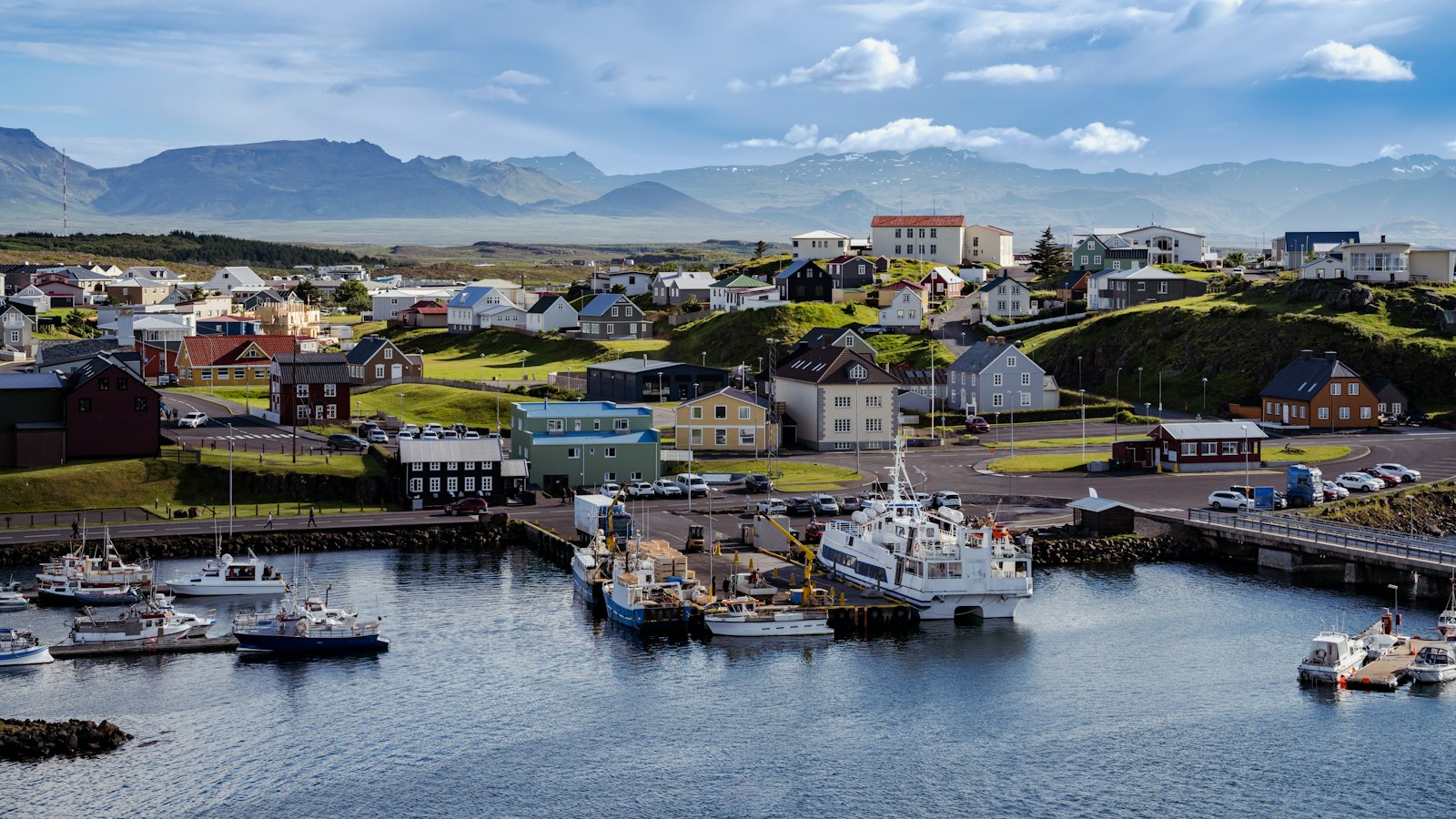
An Iceland Fisherman, first published in 1886 as Pêcheur d’Islande, is among the most celebrated works by French author Pierre Loti. The novel offers a distinctive look at the world of Breton fishermen, men who left their homes each summer to labour on the cod-rich but hazardous waters surrounding Iceland.
These annual journeys were demanding and often tinged with sadness, as the fishermen faced not only punishing weather but long separation from their loved ones at home. Through Loti’s lens, the lives of these working-class families form the heart of the tale, exploring universal themes such as love, distance and longing.
A literary shift in France
When Loti wrote An Iceland Fisherman, French literature was under the powerful influence of naturalist writers like Émile Zola, whose work was grounded in social realism and detailed analysis of everyday life. Loti’s writing, although simple in vocabulary, diverged from this tradition. His words conjured unexpected feeling, creating a sense of poetry even in ordinary scenes.
Notably, Loti’s descriptions of nature played an exceptional role. Critic Jules Cambon observed that for Loti, landscapes were not just settings but living presences within the narrative: unpredictable, awe-inspiring, and almost like mythical forces. Unlike some literary contemporaries who treated nature as mere backdrop, Loti made the sea and weather actors in their own right.
Impact and legacy beyond the page
Loti’s depiction of nature, power, and fate resonated strongly with readers and inspired several adaptations. In the years after its release, the story was brought to the stage by Louis Tiercelin, paired with music from Guy Ropartz. Austrian composer Joseph Marx drew from its mood and setting for his orchestral piece Nordland-Rhapsodie in 1929. The novel also found a place in film, most notably under the direction of Pierre Schoendoerffer in 1959.
The world of Loti’s fishermen has continued echoing in the arts, with the 2015 film Radiant Sea referencing the novel and its haunting vision of humanity against a relentless northern environment. For many, An Iceland Fisherman remains Loti’s most acclaimed work. Edmund Gosse, a leading literary critic of the time, called it the peak of his writings.
Although set in the North Atlantic, the drama of An Iceland Fisherman tapped into universal human emotions, using the Icelandic seas as a symbol of both beauty and danger, making Iceland’s distant shores a lasting figure in European literature.


