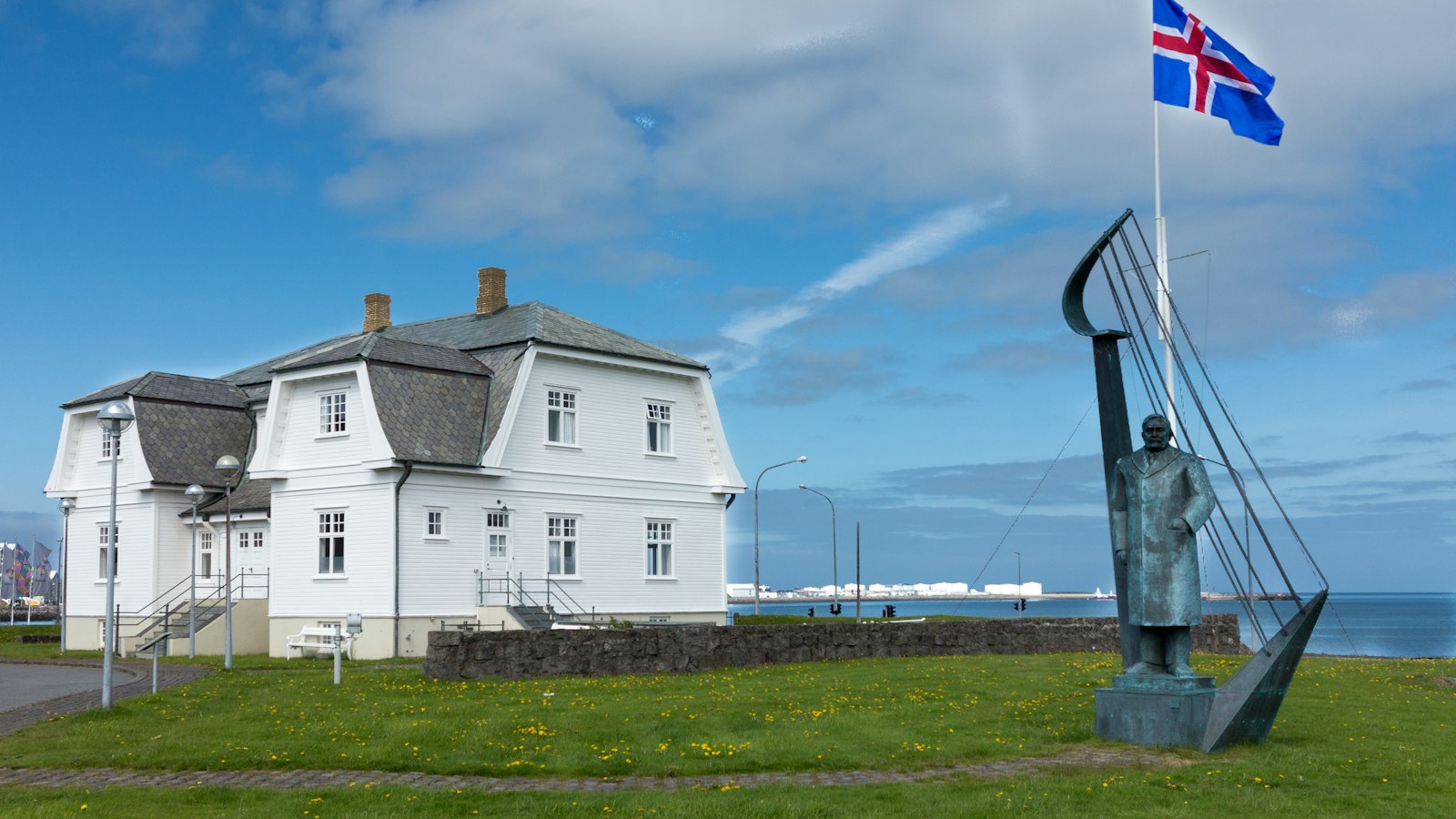
While separated by thousands of kilometres and lying at opposite corners of Europe, Greece and Iceland share a diplomatic relationship that has endured for more than sixty years. Their cooperation extends across fields such as economics, international diplomacy, and even culture, reflecting a steady alliance that has adapted to global changes.
Diplomatic ties and shared memberships
Both countries are members of influential international bodies including NATO, the Organisation for Security and Co-operation in Europe (OSCE), the Council of Europe (COE), and the United Nations. Since 1961, Greece and Iceland have also belonged to the Organisation for Economic Co-operation and Development (OECD), underpinning their shared commitment to international dialogue and economic growth.
Despite lacking resident embassies in each other’s capitals, diplomatic representation is maintained through embassies in Oslo, Norway, and through honorary consulates, Greece in Reykjavík and Iceland in Athens. This arrangement reflects both the geographical realities and the mutual respect between the two countries.
Economic discussions and key visits
High-level exchanges have punctuated their alliance over recent decades. In September 2001, Ólafur Ragnar Grímsson, then President of Iceland, visited Athens and met Greek President Kostis Stephanopoulos. Five years later, in July 2006, Greek President Karolos Papoulias traveled to Iceland, where discussions focused on strengthening ties in telecommunications, pharmaceuticals, banking, and fisheries, a sector where Iceland exports natural fishery products to Greece. Collaboration in economic initiatives in the Balkans was also discussed. During this visit, foreign ministers from both nations signed an agreement aimed at eliminating double taxation on bilateral deals, smoothing the path for further economic cooperation.
August 2007 saw Icelandic Prime Minister Geir Haarde visit Greece, meeting with his counterpart, Greek Prime Minister Costas Karamanlis. Both leaders characterised relations as excellent, particularly in international organisations. However, they also highlighted potential for further cooperation in investment and tourism. Karamanlis expressed particular interest in Iceland’s significant energy resources, and noted Iceland’s political backing for Greece during the Macedonia naming dispute, an issue with broad regional implications at the time.
Trade, investment, and modern interactions
Trade between the nations has remained modest but balanced. In 2008, Iceland’s exports to Greece reached ISK 288.7 million, while imports from Greece were valued at ISK 271.6 million. At mid-2008 currency rates, the trade in both directions amounted to roughly US$3.5 million.
The commercial relationship has also seen forays into investment. In 2005, Thor Bjorgolfsson from Iceland was involved in an attempted purchase of a 16 percent stake in Forthnet, a Greek telecommunications and internet company, though the deal became a point of public debate due to its controversial nature.
Altogether, the relationship between Greece and Iceland is distinctive in its durability and the breadth of its collaboration, even as both countries operate on separate sides of the continent and within different climatic and cultural landscapes.


