Christianity’s arrival and adoption in Iceland unfolded with a characteristically Icelandic blend of negotiation and practicality. Centuries before the dramatic debates at the Alþingi (Iceland’s general assembly), traces of Christian faith had already reached these remote northern shores. By the time Norse settlers began arriving in the 870s, Irish hermits, known as papar, had likely been living in Iceland for decades, leaving objects such as books and bells behind.
Pagans and early Christians
Most Norse immigrants who settled Iceland came from Scandinavia’s old pagan tradition, worshipping gods like Odin and Thor. Yet Christianity filtered in, especially through colonists who arrived via Ireland and the British Isles. Despite these influences, paganism actually grew stronger in early Iceland; the political structure built around the goðar (chieftains) and the Alþingi fostered unity under Old Nordic religion.
In the closing years of the 10th century, Christianity entered Iceland in earnest through a series of failed missionary attempts. Clergy sent from abroad, including Bishop Friðrekr and missionaries dispatched by Norway’s King Olaf Tryggvason, often met fierce resistance. Some, like the German missionary Thangbrand, were forced to leave after violent confrontations. By the turn of the millennium, advocates of both faiths reached an impasse.
The decision at Alþingi
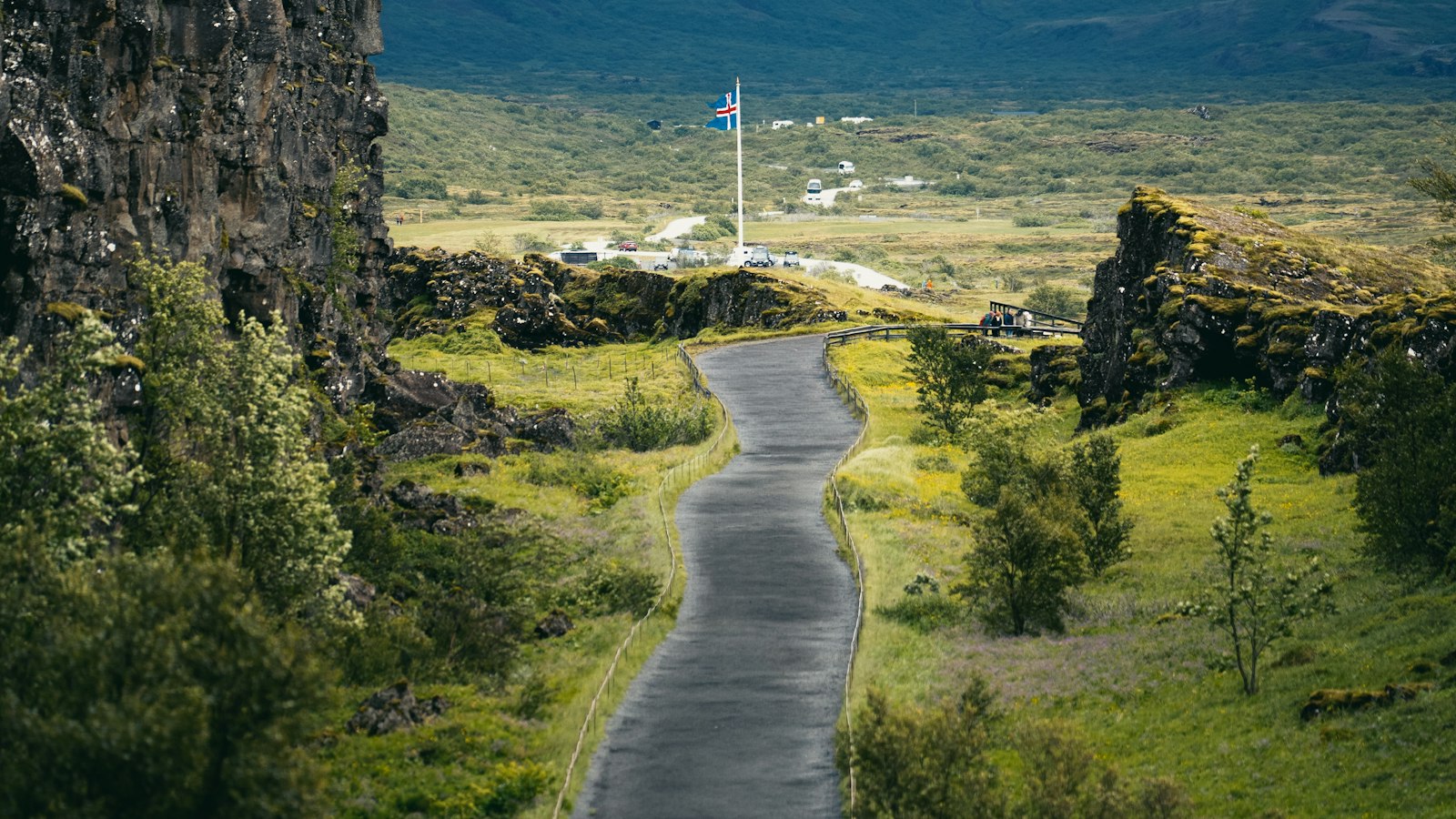
The crucial moment came at the Alþingi in either 999 or 1000. Iceland’s pagans and new Christian chieftains faced the prospect of civil war. To avert disaster, the chieftains asked the pagan lawspeaker, Þorgeir Þorkelsson, to decide the nation’s path. According to accounts written a century later, Þorgeir retreated in contemplation for a full day before presenting his solution: all Icelanders would be baptised as Christians, but practicing old heathen customs in private would be permitted for now. These included child exposure and the consumption of horsemeat, deeply symbolic in Germanic religion.
The compromise at the Alþingi averted conflict and created a unique situation, conversion through consensus rather than conquest. According to legend, Þorgeir threw his own pagan religious idols into the waterfall Goðafoss (Gods’ Waterfall) to mark the new age, and people from different regions were baptised in Iceland’s hot springs and rivers.
Within a generation, major aspects of pagan practice disappeared. By 1016, worship of Norse gods was abolished, largely due to pressure from Norway’s ruler, King Olaf II. Christianity’s rise also triggered rapid social change: duels were banned and slavery began to decline in early Icelandic society.
Church and society
By the mid-11th century, the church in Iceland gained structure. The island established two dioceses, Skálholt and Hólar, with their own bishops, though under foreign authority. Initially, most clergy were foreign-born, but local priests soon became the majority. Landowners retained major power, building churches and employing priests, and they profited from the introduction of a church tax (the tithe) in 1097.
Over time, the church’s influence grew. Most Icelandic monasteries were founded during the 12th and 13th centuries, becoming important centres of literary activity. It was only in the 14th century that the church achieved a measure of autonomy from secular authorities.
Later, the Lutheran Reformation in the 16th century brought new upheavals: church properties were confiscated, saintly cults were suppressed, and Icelandic translations of the Bible appeared. Yet throughout, the legacy of a largely peaceful early Christianisation continued to shape Icelandic culture.


