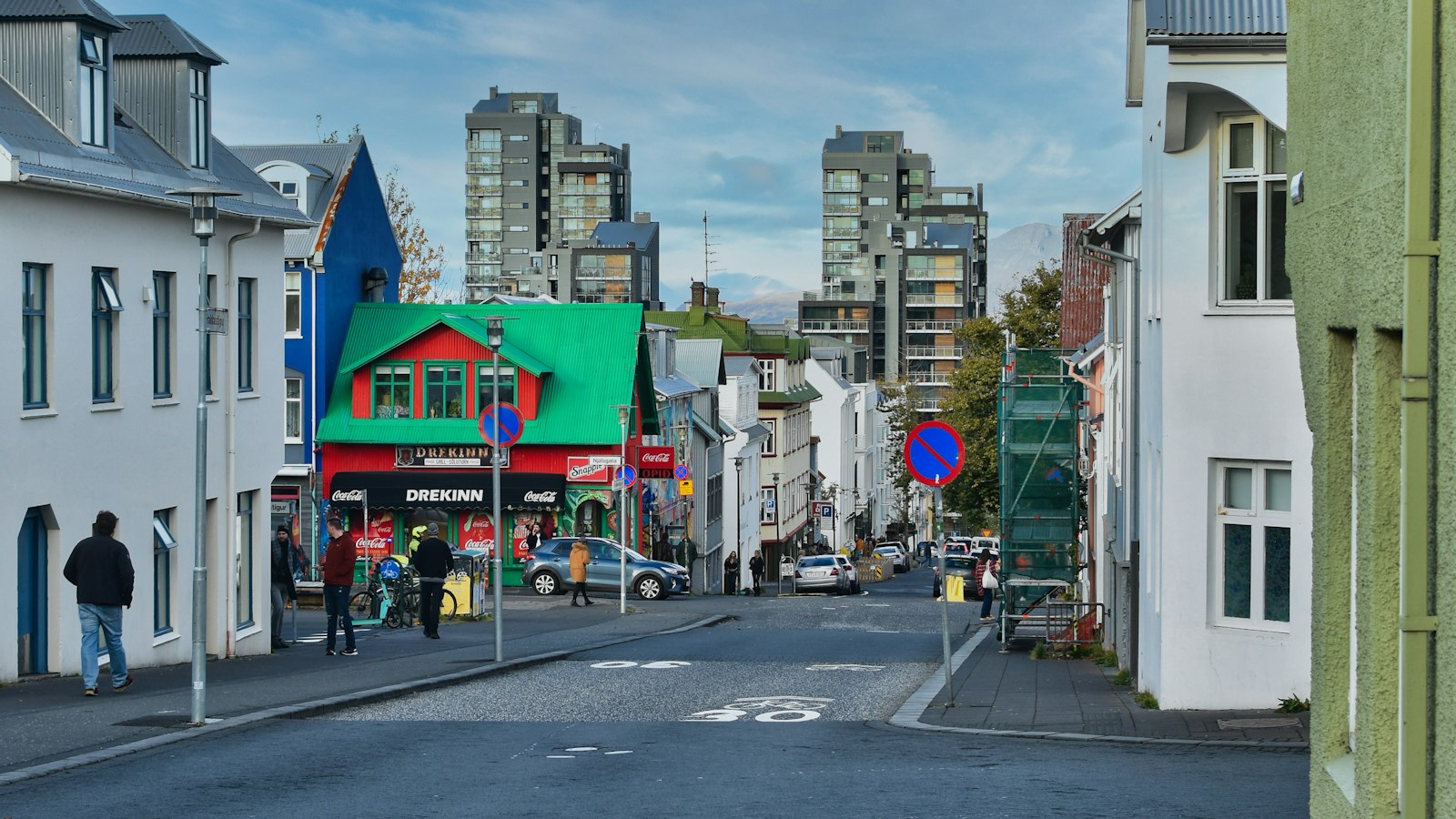
Born in Reykjavík in 1902 as Halldór Guðjónsson, Halldór Laxness became synonymous with 20th-century Icelandic literature. His life stretched nearly a century and paralleled Iceland’s own journey from rural society to modern nationhood. Laxness, recognised with the 1955 Nobel Prize in Literature, built an extraordinarily influential career that wrestled with Icelandic identity, faith, political change and the lasting resonance of its language and landscape.
Early life and influences
As a child, Laxness moved with his family to the Laxnes farm in Mosfellssveit, about 20 kilometres from Reykjavík. This rural upbringing, coupled with the influence of his grandmother Guðný Klængsdóttir, deeply shaped his worldview. She shared folk tales, ancient songs and stories from Iceland’s Catholic past, sparking his fascination with the nation’s oral and literary heritage. He began reading and writing precociously, publishing his first pieces before his mid-teens in local newspapers and magazines.
Laxness released his debut novel, “Barn náttúrunnar” (Child of Nature), in 1919 at age 17. This literary promise would launch a lifetime of creative production. His schooling included the Reykjavík Lyceum and the city’s technical school, although he reportedly preferred library visits over classroom hours. Early works show Laxness’s commitment to the Icelandic language, both as creative medium and as an object of care.
A life of transformation
Laxness’s exploration extended far beyond Iceland’s shores. In the early 1920s, he travelled to Luxembourg, spending a period in a Benedictine monastery where he converted to Catholicism and adopted the name Kiljan, after the Irish martyr Saint Killian. The surname Laxness came from his childhood home. His religious phase, however, soon gave way to other interests. By the late 1920s, during extended stays in the United States, Laxness was drawn to socialism, not through books but through observing the struggle of the unemployed.
His literary work kept evolving. The 1930s and 1940s were prolific for Laxness, producing major novels such as “Salka Valka” and “Sjálfstætt fólk” (Independent People), the latter later hailed as one of the century’s best. These stories often wove together social critique and Icelandic individuality. Laxness also gained renown for his essays, poetry, and contributions to the ongoing modernisation of the Icelandic language. His sometimes controversial decisions, like updating classic sagas into modern language, showed a willingness to challenge tradition.
He spent decades exploring political themes. Works such as “Atómstöðin” (The Atom Station) responded directly to Iceland’s changing society during and after World War II. Laxness’s close observation of ordinary life, his interest in Iceland’s past and present, and his blend of local and global influences gave his writing a rare combination of authenticity and scope.
Laxness married twice and had several children. In 1945 he settled at Gljúfrasteinn near Mosfellsbær with his second wife, Auður Sveinsdóttir, who became an important supporter and manager of his career. Here, close to his childhood landscape, he continued to write and engage with the cultural and political questions of his time until his death in 1998 at age 95.
Legacy at home and abroad
When Laxness received the Nobel Prize in Stockholm in 1955, presented by King Gustaf VI Adolf of Sweden, it marked international recognition both for his work and for Icelandic literature itself. His novels and essays have since been translated into many languages. Awards, translations and adaptations followed, but at the heart of his writing remains an enduring commitment to the Icelandic voice, its stories, struggles and possibilities.
Sources
- Wikipedia
- Wikipedia (Icelandic) in Icelandic


