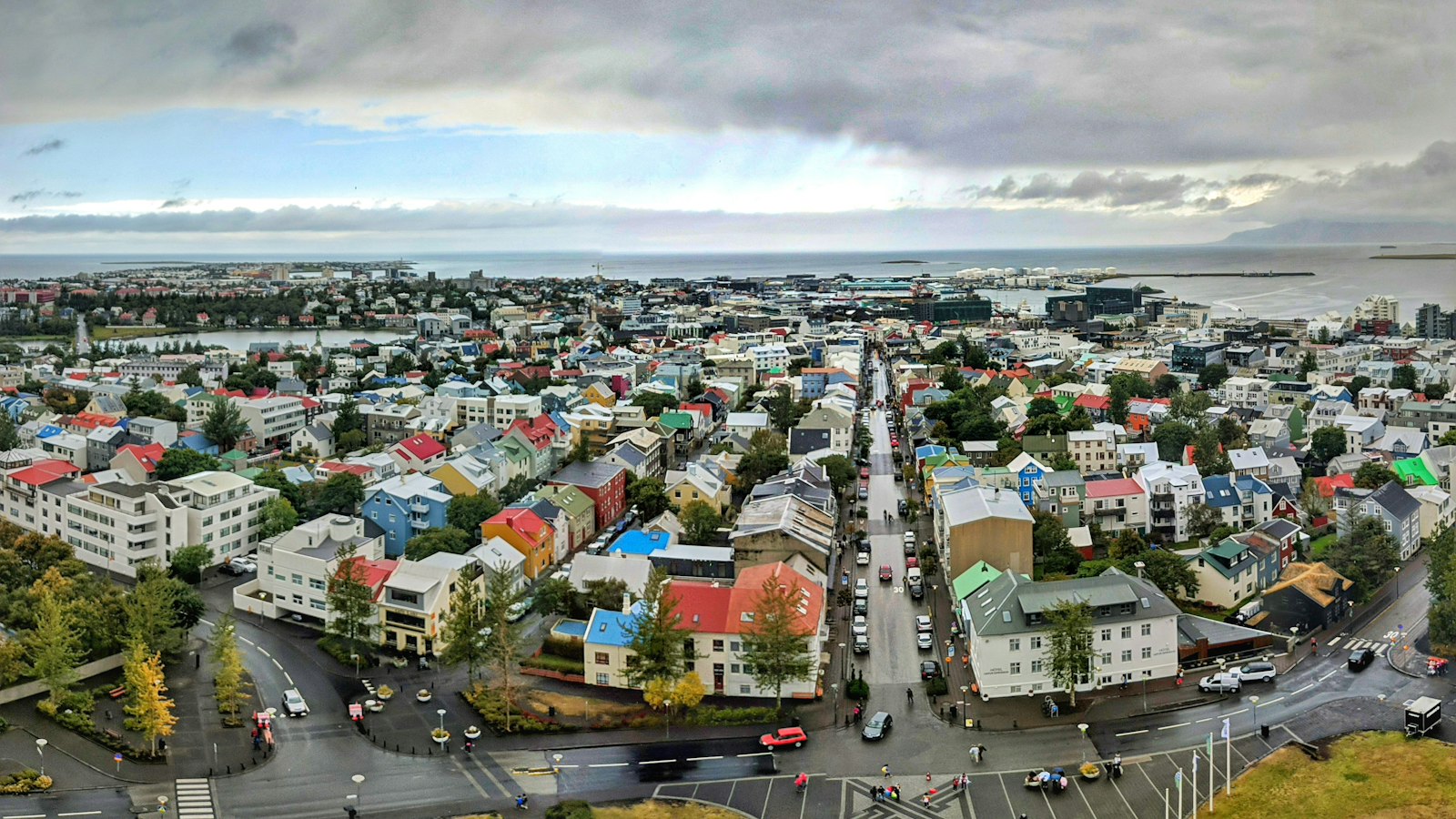
Across Iceland, education is considered a vital pillar of society, reflecting a commitment to equal opportunities that dates back over a century. The country’s education system is organised into four main levels: playschool, compulsory, upper secondary and higher education. Each stage serves a particular function in shaping young Icelanders for life and participation in the country’s distinctive culture.
Four levels, one principle: access for all
Children can attend playschool, or leikskóli, from around the age of two until six. Though not compulsory, this early learning offers both play and preparation for the more formal stages that follow. Local authorities administer playschools and also partially fund them, families are responsible for a portion of fees. These facilities are purpose-built, with indoor and outdoor spaces designed to encourage exploration and social development. In many areas, mixed-age groups reflect the small scale of some communities, while in larger towns children are usually grouped by age.
Compulsory education, known as grunnskóli (basic school), begins at age six. Mandated by law since 2008 and free of charge, grunnskóli continues until age sixteen, encompassing both primary and lower secondary education. Municipalities are responsible for these schools under guidance from central authorities, providing both teaching and specialist services, including special education for students with disabilities. One notable aspect: nearly all compulsory schools are coeducational, and many are small, around half serve fewer than 100 pupils.
Students stay in each school year for one year, with class sizes and school organisation varying drastically between urban Reykjavík, where schools may serve over a thousand students, and rural areas, sometimes hosting fewer than ten. The academic year spans roughly nine months, typically beginning late August and ending in early June. Learning is spread over five weekdays, with an increasing number of lessons as students grow older. Student assessment focuses on progress for moving forward, rather than barriers. While schools conduct internal evaluations, every five years the Ministry of Education, Science and Culture reviews each institution externally.
Upper secondary education is not compulsory but is viewed as a direct continuation of compulsory schooling. Here, students may specialise in academic or vocational tracks, attending institutions known as framhaldsskólar (upper secondary schools) or gymnasia. All told, there are 42 upper secondary schools, some with traditional classroom programmes and others offering more flexible, modular studies. To graduate with a stúdent diploma, students must accumulate a set number of course credits. Both classroom-based and course-unit systems operate, allowing students to choose paths that may focus on academic subjects or practical skills.
A long tradition and modern values
The story of Icelandic education stretches deep into history. The Menntaskólinn í Reykjavík traces its earliest roots to 1056 and stands among the oldest gymnasia, originally established in the bishopric of Skálholt and later moved to Reykjavík. Its longevity mirrors the enduring respect for learning in Icelandic culture.
Higher education began in earnest with the founding of the University of Iceland on 17 June 1911. Formed by merging schools for theology, medicine and law, the University expanded in time to cover many modern disciplines. Today, nine institutions make up Iceland’s higher education sector.
The entire system is modelled on the Nordic belief that everyone should have equal access to schooling, irrespective of social or economic background, gender, or disability. Public funding remains central, and private schooling, while growing, remains rare. National Curriculum Guidelines ensure a degree of unity, even as schools are given autonomy and local flavour.
Sources
- Wikipedia
- Wikipedia (Icelandic) in Icelandic


