In the world of Icelandic folktales, “The Cottager and his Cat” stands out as a story where unexpected companionship, strict morality and the whims of fate come together. Known in Icelandic as “Karlssonur og kötturinn hans” (Karl’s son and his cat), the tale was preserved by Jón Árnason, a key figure in collecting and publishing Iceland’s folk traditions in the mid-19th century.
Old riches and hard lessons
At the centre of the story is a small family living in deep poverty. Despite outward appearances, the father secretly possesses wealth but guards it jealously, a habit that ultimately leads to his downfall. Neglecting even the basic needs of his family, he spends so little on sustenance that his health fails. After the father’s death, a dream reveals to his son that half of what remains must be given to those in need, since it was gained in questionable ways. The other half, he is told, should be cast into the sea, along with an unusual promise: he should accept whatever comes to him afterwards.
The young man, faced with such instructions, struggles with disappointment; he had hoped for a better life. Yet he follows the advice, throwing the money into the water. Unexpectedly, a small piece of paper containing six shillings appears as his reward. The following weeks see him and his mother surviving on vegetables from their garden until, soon after, his mother passes away as foretold.
From misfortune to unexpected fortune
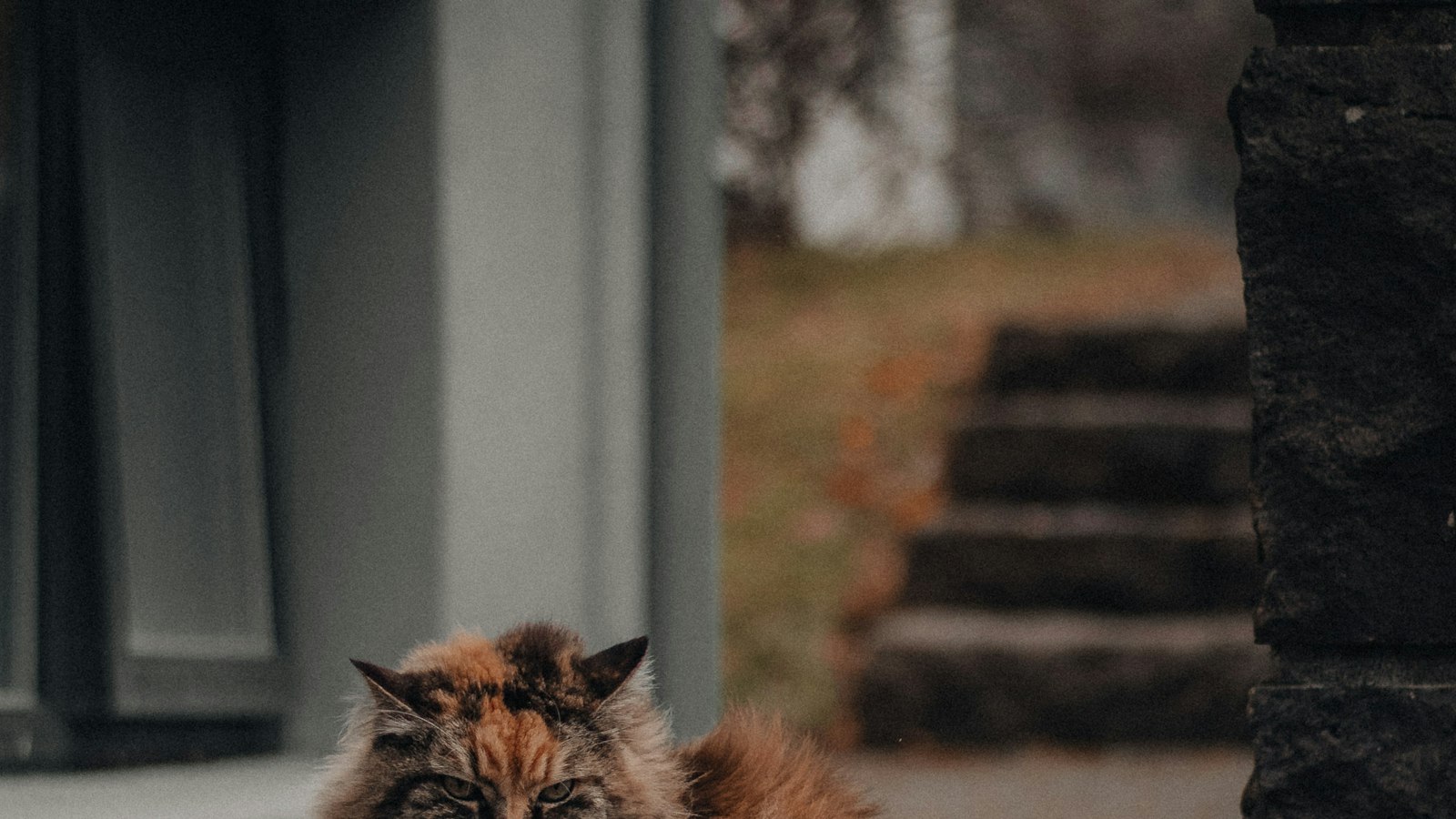
Alone, the son wanders and happens upon a remote hut deep in the woods. Here, he finds an unusual animal nobody else seems to understand, an animal we recognise as a cat. Using his six shillings, he purchases this feline, hoping for companionship.
Travels take him to yet another hut, where the household is fascinated by the nimble newcomer. Directed onward by his hosts, he comes to a grand castle plagued by curious creatures, rats, as identified by the king who lives there.
The cat’s skill quickly solves the king’s persistent problem, winning such favour that the king makes an offer: the son can choose between high political office or marrying the king’s daughter, with the promise of eventually inheriting the entire kingdom. The young man opts for the princess and the land, a turnabout made possible by his willingness to trust fate and a humble cat.
The tale, known abroad through English and German versions, preserves Icelandic traditions of combining hardship with sudden marvels and teaching the virtues of generosity and adaptability. It continues to captivate, inviting readers to reflect on the odd ways good fortune may arrive.


