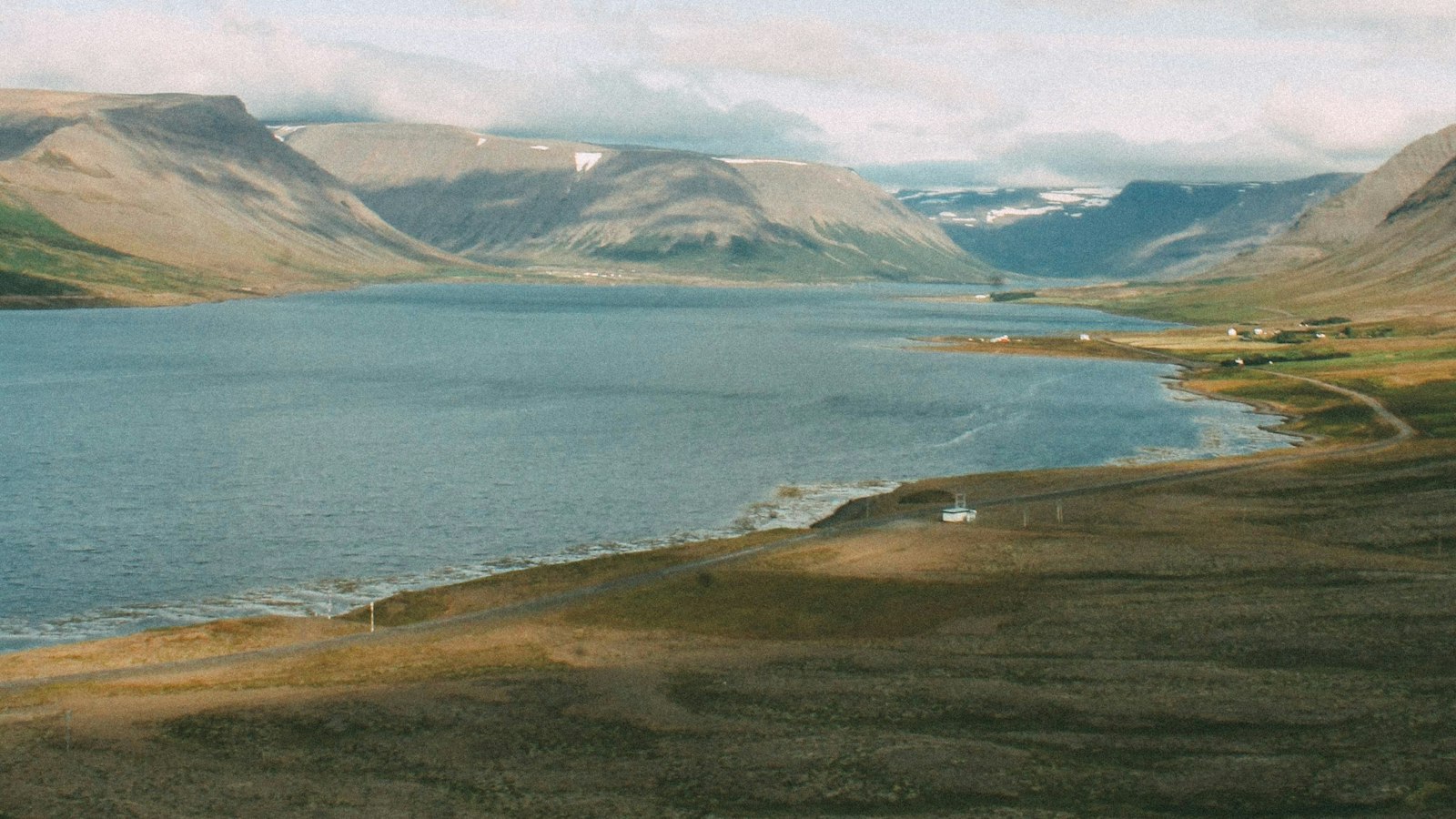
Straumnes Air Station, also referred to as Latrar Air Station, was built by the United States Air Force in the 1950s, far from mainland settlements on Iceland’s Hornstrandir peninsula. Set high on Mount Straumnes, the site once formed an important link in the chain of Western radar installations keeping watch over the North Atlantic during tense decades of the Cold War.
A remote outpost overlooking the GIUK gap
From 1956, the base’s radars scanned for aircraft passing through the Greenland-Iceland-United Kingdom (GIUK) gap. This corridor was a strategic route for Soviet military planes flying from bases in northern Russia out toward the Atlantic. The task at Straumnes was to detect these flights and alert interceptor forces based at Keflavík, safeguarding NATO’s northern flank.
Desolate even by Icelandic standards, the station’s location posed challenges from the beginning. Supplies and personnel arrived via a small pier usable only in part of summer. The limited transport options and harsh conditions contributed to high operating costs. Unlike other radars in Iceland, Straumnes never received advanced communications equipment, relying instead on high-frequency radio that often proved unreliable in the remote landscape.
Four years of vigilance, then quiet decay
After less than half a decade, the expense and logistical problems led to closure. By 1961, all staff had departed. The Icelandic government took over the buildings in 1962, but without ongoing maintenance, they quickly deteriorated in the exposed, windy climate of the Westfjords.
For decades, the abandoned structures endured, battered by weather and almost forgotten except by hikers traversing Hornstrandir. In 1991, a significant clean-up effort removed debris left behind from the Cold War years, involving the Icelandic Defence Force and local search and rescue volunteers.
Today, rusted remains and empty concrete shells hint at an era when global tension brought military technology to one of Iceland’s most isolated corners. While newer radar stations elsewhere now perform Iceland’s air surveillance, the ruins on Straumnes quietly mark the time when this windswept ridge felt the weight of world affairs.
Sources
- Wikipedia
- Wikipedia (Icelandic) in Icelandic


