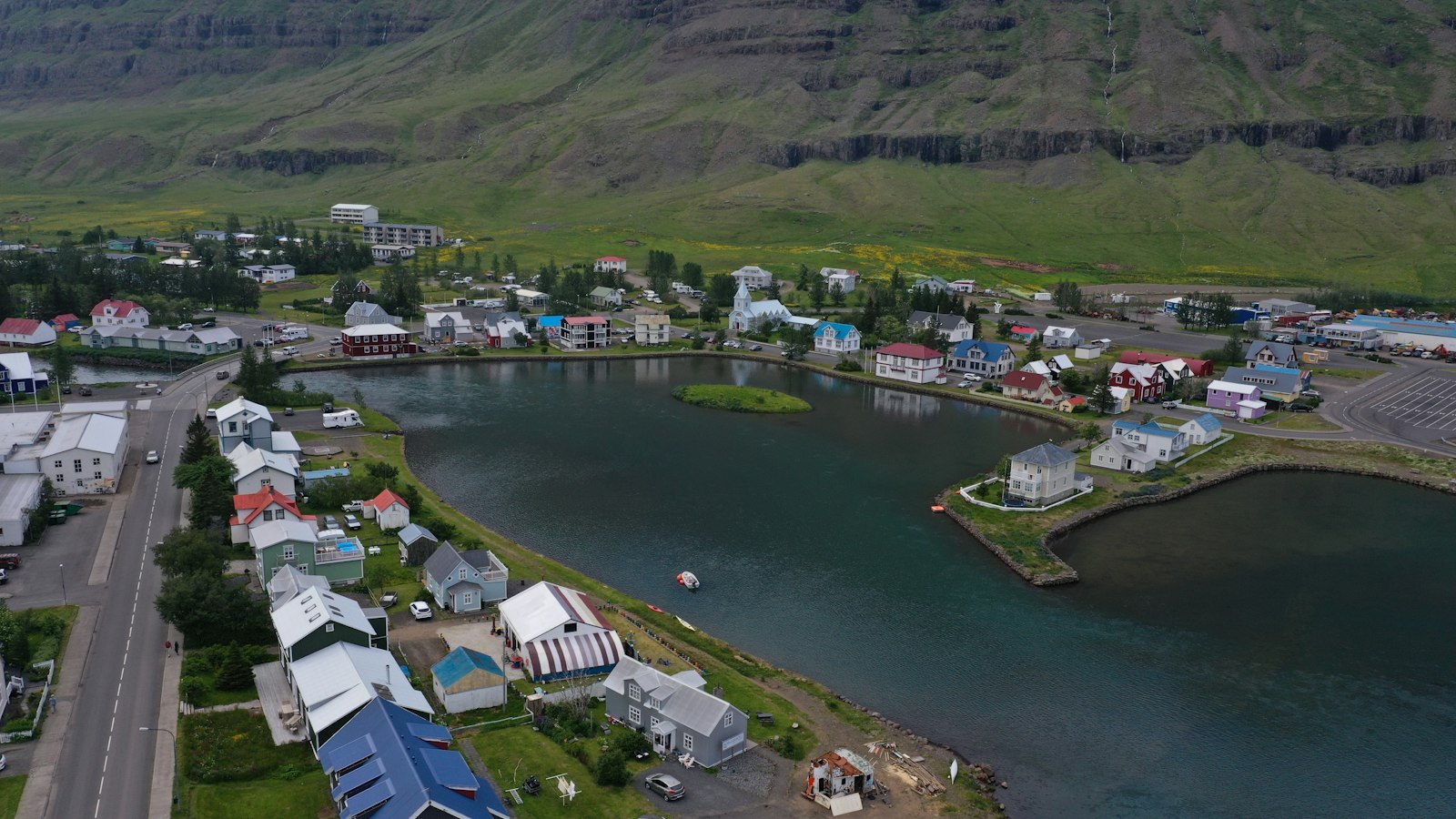
In the remote fjord town of Seyðisfjörður, the Technical Museum of East Iceland (Tækniminjasafn Austurlands) stands as a witness to the region’s transformation from the late 19th century to today. Its story is woven with threads of invention, adaptation and resilience, shaped as much by nature as by human hands.
Preserving industrial heritage in changing times
Established in 1984, the museum’s public journey began in 1995 to coincide with Seyðisfjörður’s 100th anniversary. It was originally housed in a cluster of heritage buildings at Búðareyri, a historic part of the town where mechanical workshops, a shipyard and the Wathne House helped chronicle the rise of technology in Iceland. Its mission has always centred on collecting and sharing the machines, stories and technical skills that fuelled East Iceland’s progress from 1880 onward.
Displays at the museum have explored how advances in areas like mechanical engineering, electricity, building design and transport reshaped work and daily life against the backdrop of Iceland’s striking environment. The museum also delves into how improved communications, most notably the landing of Iceland’s first submarine telegraph cable in Seyðisfjörður, brought the nation closer to the wider world.
Nature intervenes, and adapts the story
On 18 December 2020, a massive landslide swept away much of Búðareyri, destroying key museum buildings and parts of its collection. Some artifacts were lost forever, but other items were saved through quick recovery efforts. In response, the museum re-examined its goals and ways of connecting with the public. Today, its activities are spread across surviving corners of the old Machine Shop and throughout the streets and open spaces of Seyðisfjörður.
The exhibition in the remaining workshop focuses on Búðareyri itself, a place no longer safe for residents after the disaster. It charts demographic shifts, industrial changes and social developments in Seyðisfjörður from the 1880s to the present, mirroring wider changes in Icelandic and global society. Outdoors, exhibits among the ruins detail the history of landslides in the area and reflect on the events that led to the 2020 catastrophe.
Community, memory and a future in the making
The museum’s outreach now penetrates the fabric of Seyðisfjörður through open-air displays, carefully placed information signs and art installations. Custom-built “cairns,” inspired by traditional stone markers, provide resting spots and stories about festivities and local traditions. At the harbour, displays from the Women’s Work (Störf kvenna) project bring light to the contributions of women in community life around 1900, in partnership with local archives and cultural centres.
Digital platforms carry the museum’s story further, with films, virtual tours, and online exhibitions maintaining its educational presence. Meanwhile, the wreckage of war and industry, such as a deck gun from the World War II tanker El Grillo and the old shipyard slipway, offer reminders of the town’s layered past.
Looking ahead, a new museum campus is planned for Lónsleira, next to the ferry terminal and away from landslide risks. Salvaged timbers from the historic Angró building will anchor the site’s main exhibition hall, with new constructions offering modern spaces for visitors and staff. A team of curators is now developing the permanent exhibition, which will weave together stories of invention, hardship and ongoing connection between people, nature and technology in Seyðisfjörður.
Sources
- Wikipedia
- Wikipedia (Icelandic) in Icelandic


