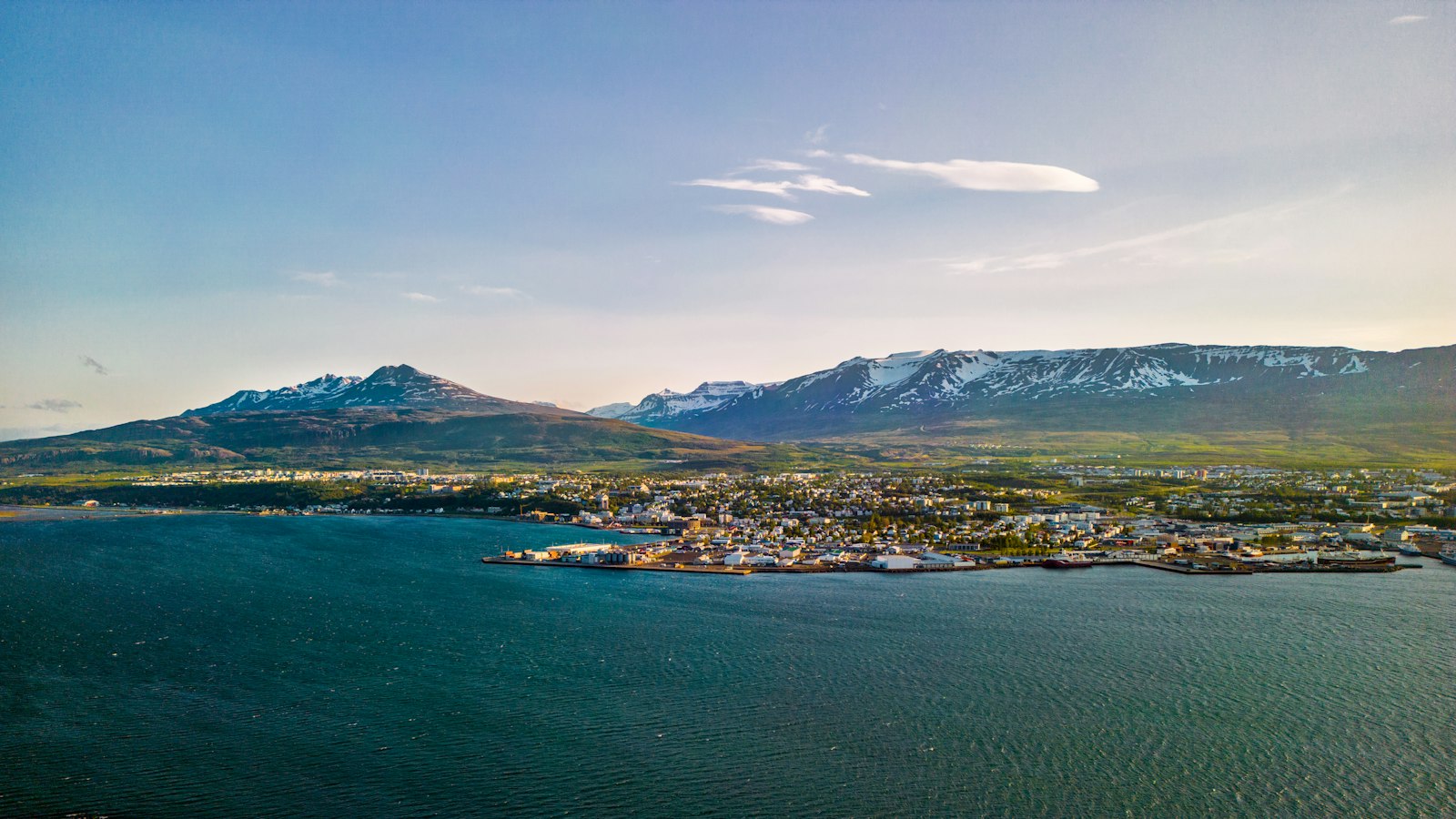
In the north of Iceland, just outside the town of Akureyri, stands Safnasafnið, the Icelandic Folk and Outsider Art Museum. With a mission to highlight art often overlooked by traditional galleries, Safnasafnið offers a distinctive look at creativity from both formally trained and self-taught artists.
Founders and vision
The museum was established in 1995 by Níels Hafstein, an artist, and Magnhildur Sigurðardóttir, who had previously worked in psychiatric nursing. Their combined backgrounds shaped the museum’s inclusive approach, aiming to present folk and outsider art alongside contemporary works. The yearly summer showcase often places creative expressions by autistic artists next to pieces from the wider art world, offering an unusual and thoughtful perspective on Icelandic visual culture.
Preserving difference and diversity
Safnasafnið is housed across two buildings: an old elementary school and a former merchant’s house known as Gamla-Búð. These structures were linked by a modern addition in 2007, providing ten varied exhibition rooms where art and handicrafts are displayed.
The collection is broad and deep, now containing about 150,000 artworks and objects. These works date from the mid-1800s to the present and reflect the talents of more than 300 artists, some with formal education in art, others entirely self-taught. Icelandic creators fill much of the permanent collection, though visitors will find works by international artists such as Pieter Holstein and Dieter Roth as well.
Recording and researching folk expression
Safnasafnið’s commitment goes beyond exhibitions. Since 2016 the museum has published catalogues and research books, producing nine by the end of 2022. Written in Icelandic, these publications explore both themes from the annual summer shows and the lives of individual artists. This work fills gaps in the history of Icelandic folk and outsider art, a field that is otherwise sparsely documented.
Most of the museum’s holdings are listed in SARPUR, Iceland’s central museum database. Safnasafnið also belongs to the European Outsider Art Association, connecting it to institutions across the continent that value unconventional forms of artistic expression.
Sources
- Wikipedia
- Wikipedia (Icelandic) in Icelandic


