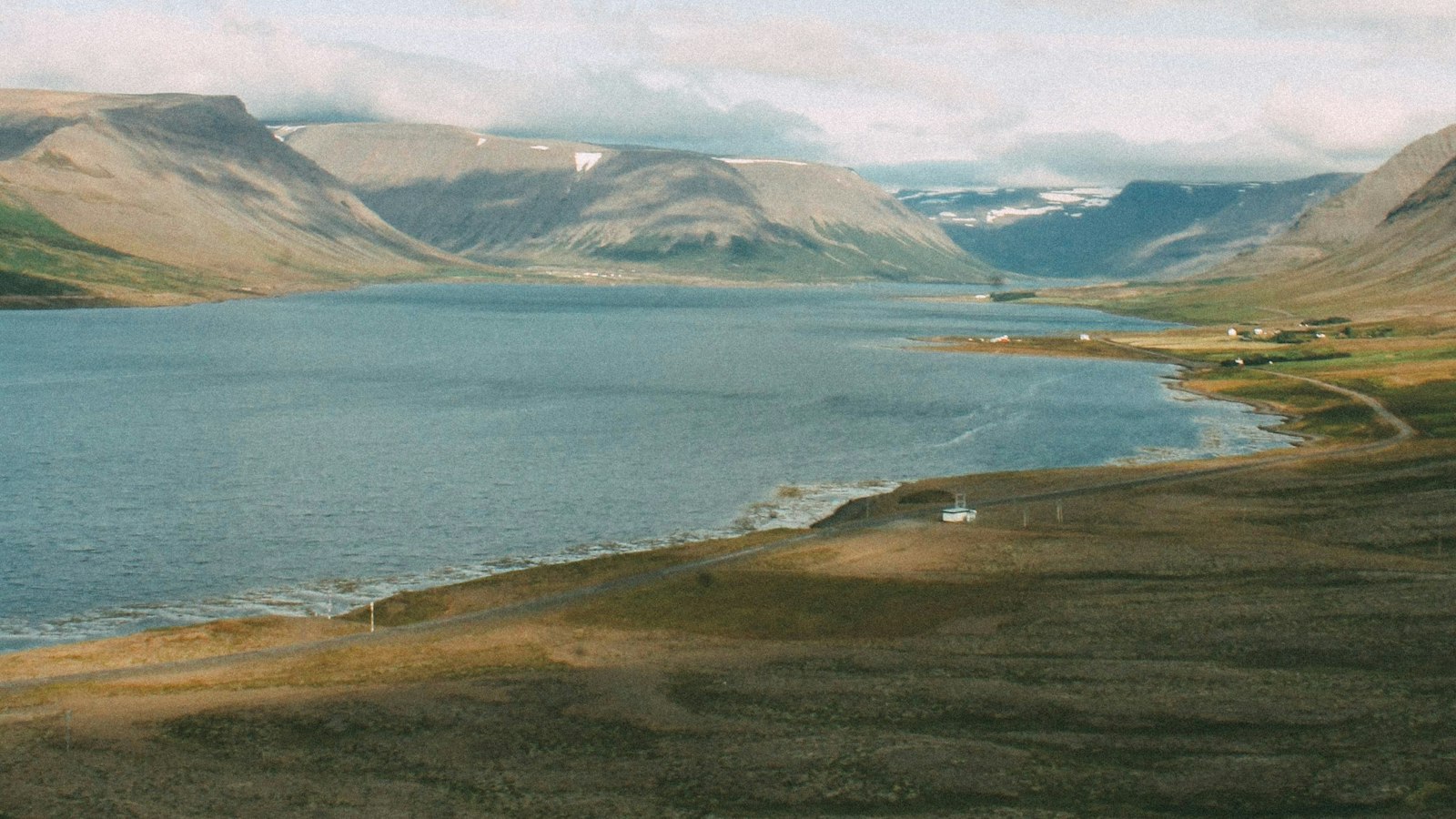
In the remote Westfjords of Iceland, the Arctic Fox Centre (Melrakkasetur Íslands) stands as the nation’s focal point for understanding the elusive Arctic fox. Located in the small municipality of Súðavík, the centre combines scientific research, public exhibitions and local culture beneath one roof. Its mission is deeply connected to Iceland’s only native land mammal: the Arctic fox (Vulpes lagopus).
Founding a den for research and history
The seeds for the centre were planted in 1998, when biologists Páll Hersteinsson and Ester Rut Unnsteinsdóttir began working together in Hornstrandir Nature Reserve, one of the few places in Iceland where the fox is protected from hunting. Their aim was both to deepen scientific knowledge and to improve the animal’s standing within Icelandic society. By 2005, their idea for a dedicated centre was introduced to the public in the town of Ísafjörður, and after gathering support from individuals and local authorities, they established the non-profit Arctic Fox Centre in 2007. As a gesture of commitment, the municipality of Súðavíkurhreppur donated one of its oldest houses, built in the late 19th century on the former Eyrardalur farm, to serve as the centre’s home. This building was thoroughly renovated for its new purpose and opened to visitors in 2010.
Páll Hersteinsson, who died in 2011, is remembered at the centre through a dedicated exhibition and the Páll Hersteinsson Fund. The fund continues to support ongoing Arctic fox research in Iceland.
Natural history and a complicated past
The museum’s exhibition space is divided between natural and social history. One part focuses on the Arctic fox’s biology, covering genetics, behaviour, distribution, and the unique blue colour morph especially relevant to the Westfjords. Distinctions between the common ‘white’ and regionally significant ‘blue’ foxes are explained using scientific displays and videos drawn from original research.
The other part of the exhibition explores the fox’s role in Iceland’s society and history. For over a thousand years, attitudes towards the fox have been shaped by the practice of fox hunting. This long-standing tradition continues to influence Icelanders’ views. The centre traces this complex relationship, showing how folklore, necessity and wildlife management have all left their mark.
Information within the centre is accessible in Icelandic, English and German and aims to provide scientific context for the ongoing research projects. Through its exhibitions and activities, Melrakkasetur Íslands works to deepen public understanding of a species that has been both maligned and celebrated, but never ignored, throughout Icelandic history.


