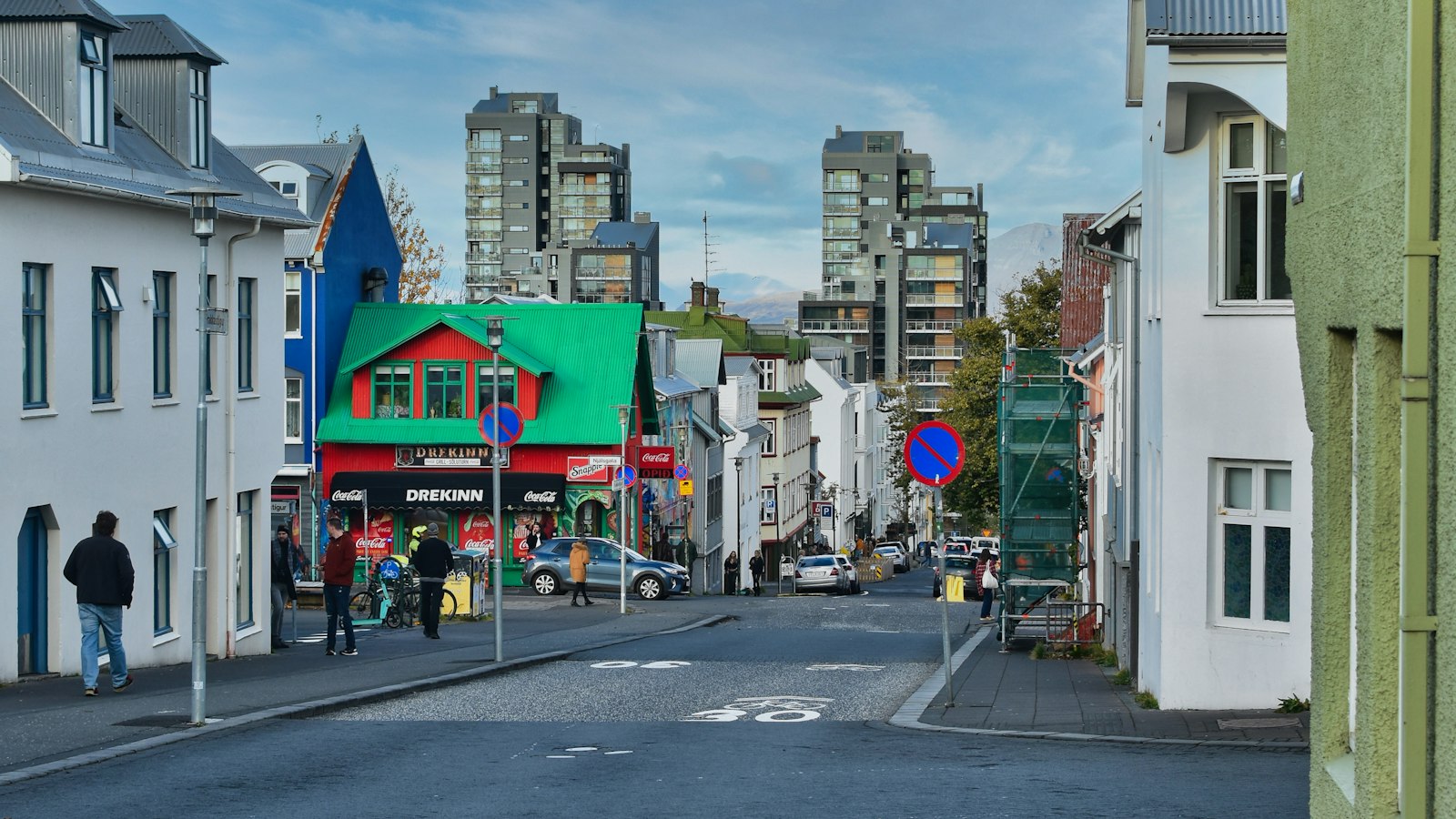
In the heart of Reykjavík, there is a museum that few cities in the world can claim: a collection dedicated entirely to penises. The Icelandic Phallological Museum (Hið íslenzka reðasafn) stands as the largest public exhibition of its kind, focusing not only on biology but also on the stories and cultural quirks of Iceland.
An unusual quest for knowledge
The museum’s origins lie in the childhood fascination of Sigurður Hjartarson, a teacher who once received a bull’s penis fashioned into a whip. This unlikely gift sowed the seeds for a lifelong pursuit. Over decades, Hjartarson built a varied assortment of anatomical specimens from across the country, drawing contributions from fisheries, slaughterhouses and even whaling stations in Iceland.
Today, the institution’s collection numbers more than 300 specimens representing over 100 mammal species. Among these are the massive front section of a sperm whale’s penis, stretching 170 cm, and the minuscule 2 mm baculum (penile bone) of a hamster, which is only visible with a magnifying glass. The museum’s most singular acquisition is not whale or walrus but human: in 2011, it received its first donation from a man who had pledged his organ for display after his death. Due to technical difficulties in preservation, the result was an unusual greyish form displayed in a jar.
Myth and humour meet science
It is not just animal biology that draws attention. The museum also features a folklore section, filled with supposed penises of elves, trolls, and Iceland’s legendary Christmas Lads. Since such beings are said to be invisible, many of these objects offer more playful suggestion than physical proof. Alongside anatomical items, visitors find lampshades crafted from bull scrotums and plastic toys, blurring the boundaries between science, humour and art.
Interest in the collection has grown far beyond Icelandic borders. Over 70,000 people visit annually, reflecting a mix of curiosity and the appeal of encountering the eccentricities of Icelandic life. International media have documented its existence, and an entire Canadian film, “The Final Member,” examines its pursuit to complete the human section.
Managing the museum is now a family affair, overseen by Hjartarson’s son, Hjörtur Gísli Sigurðsson. Its resilience as an institution speaks to the country’s openness. Even when initially met with scepticism in small-town Húsavík, its former home, the museum has come to symbolise how Icelanders have grown more comfortable with public displays of creativity, oddity, and entertainment since the late 20th century.
While some may still find the topic unconventional, the Icelandic Phallological Museum approaches its subject with a tone of scientific seriousness, nudging visitors to ponder not just anatomy, but also the stories, superstitions and laughter that surround one of the oldest fascinations in human culture.
Sources
- Wikipedia
- Wikipedia (Icelandic) in Icelandic


