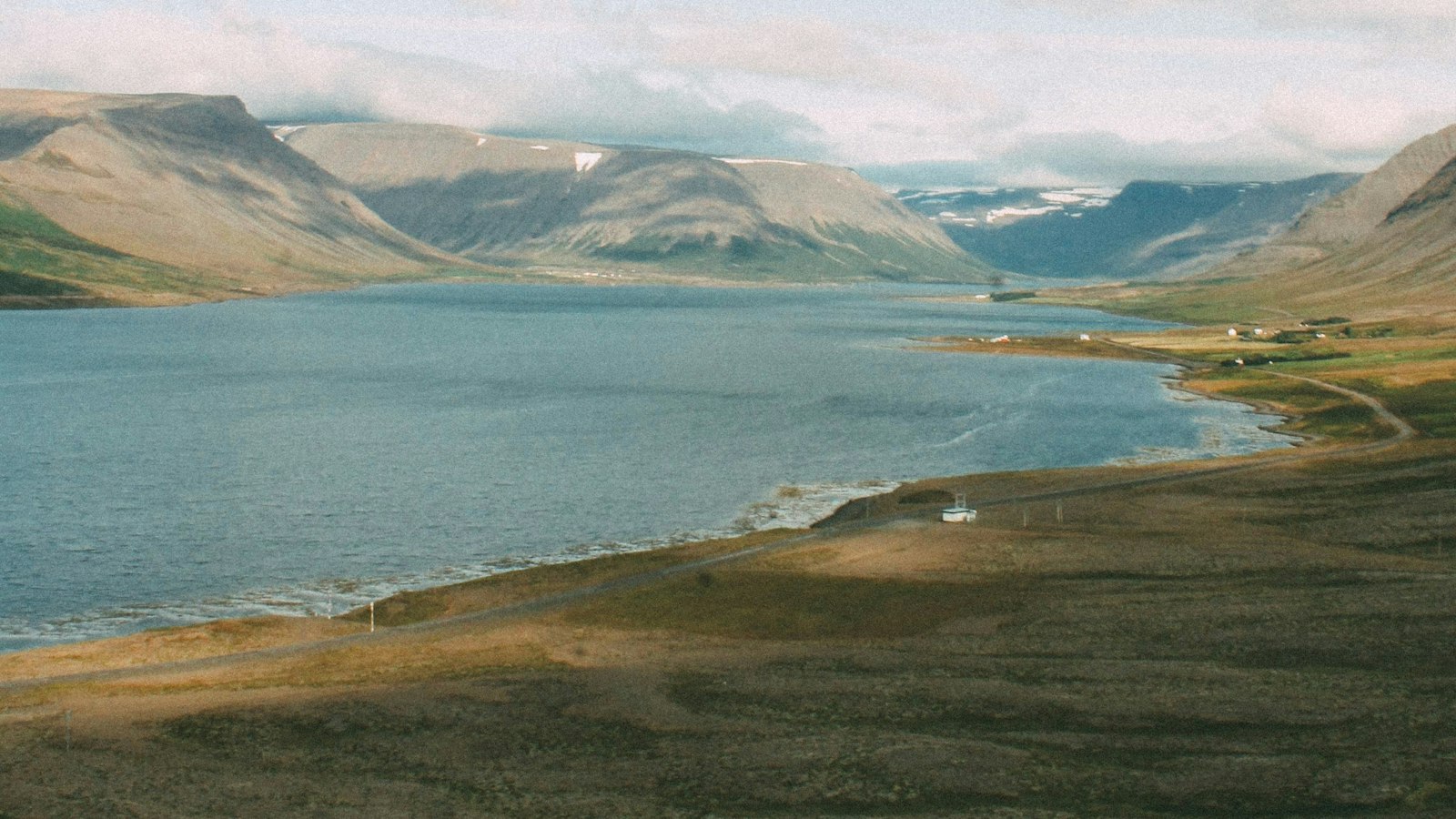
Until 2003, Norðurland vestra, or the Northwestern constituency, formed a significant part of Iceland’s national legislative process. Established in 1959, this parliamentary district was the product of sweeping changes to Iceland’s electoral system, which sought to bring proportional representation to the entire country.
A sweeping region with deep political ties
The constituency’s reach stretched from Hrútafjörður in the west to Siglufjörður in the east, spanning Skagafjarðarsýsla, Austur-Húnavatnssýsla, and Vestur-Húnavatnssýsla. For decades, it was represented by five members in the Althing, Iceland’s parliament, acting as a lens on rural issues and agricultural concerns in the northwestern regions.
Throughout its existence, Northwestern sent several notable politicians to the Althing. Among those who became government ministers while serving this district were Ólafur Jóhannesson, Pálmi Jónsson, Ragnar Arnalds, and Páll Pétursson. Their careers often mirrored the broader social and political changes underway in Iceland during the late 20th century.
Changes and legacy in Icelandic governance
Elections in Northwestern consistently produced a mix of experienced representatives from various political traditions. Candidates such as Björn Pálsson, Gunnar Gíslason, Ólafur Jóhannesson, and later Hjálmar Jónsson and Kristján L. Möller stood for different parties over the years, reflecting the diversity of local opinions.
As Iceland modernised, the structure of the Althing’s constituencies was reconsidered. In 2003, a significant reorganisation divided the old constituency’s municipalities among new electoral districts. Most of Northwestern was merged into the newly created Northwest constituency, alongside areas from the Western and Westfjords regions. The notable exception was Siglufjörður, which joined the Northeast constituency.
This change ended the distinct identity of Northwestern as a parliamentary district, but its history continues to influence Iceland’s understanding of rural representation and regional identity. The legacy of its politicians and the structure of its communities remain part of the national conversation about governance and community voice.
Sources
- Wikipedia
- Wikipedia (Icelandic) in Icelandic


