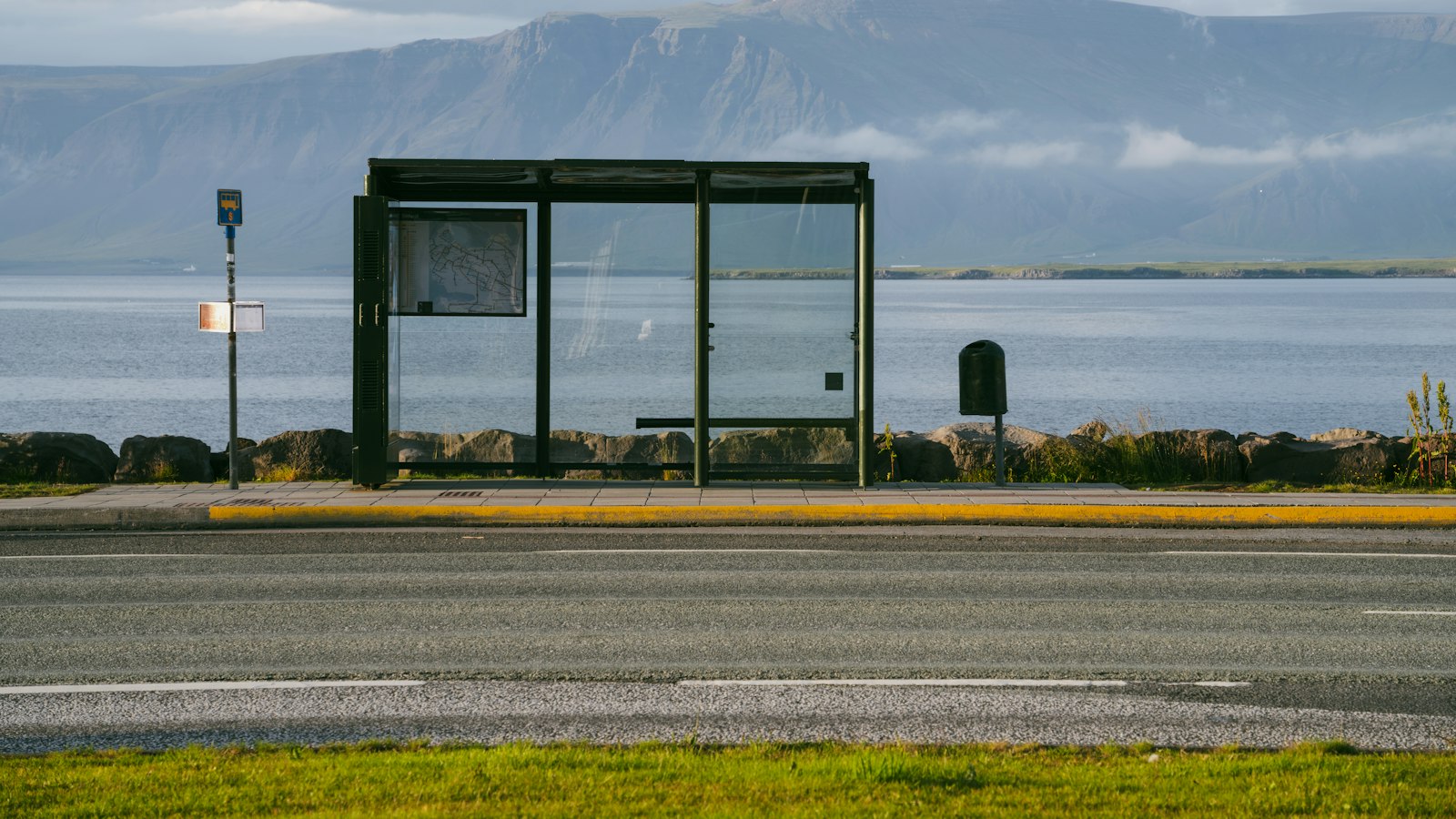
Strætó, easily recognised by its yellow buses, is central to daily movements in Reykjavík and its satellite towns. It is also the backbone of much of Iceland’s public transportation, connecting urban neighbourhoods with far-flung corners of the countryside. Behind this familiar presence lies a story of evolving infrastructure, changing technology and shifting social attitudes towards collective travel.
From founding to fusion: a brief history
The organised bus services in Reykjavík date back to 1931, originally managed by Strætisvagnar Reykjavíkur (SVR) in the city and separate operators in the surrounding areas. For many decades, public buses served their neighbourhoods along a fairly static network. The major transformation came in 2001, when SVR merged with Almenningsvagnar (AV), the body serving outer suburbs, to form the current Strætó. This merger brought together six municipalities, Reykjavík, Kópavogur, Hafnarfjörður, Garðabær, Mosfellsbær and Seltjarnarnes, who now collectively own the service. Each has a place on the governing board, voting by proportional representation.
By 2012, Strætó had absorbed most of Iceland’s rural coach routes in cooperation with the national Road Administration. This extension took the yellow bus far beyond the capital region to destinations such as Akureyri in the north and Egilsstaðir in the east.
A network adapting to modern needs
Today, Strætó operates 29 city routes and 27 rural routes. Within the capital region, buses serve some 900 stops, supported by real-time tracking and digital information displays. Major transfer points such as Lækjartorg in Reykjavík’s centre and Hamraborg in Kópavogur act as nodes for switching lines. As of 2023, 1.2 million journeys took place each month, indicating around 40,000 buses used daily.
Fleet modernisation has increasingly focused on sustainability. By 2024, the city fleet had grown to include 28 battery electric buses and four using compressed natural gas, with an aim to reach zero emissions by 2030.
Regular buses generally run every 15 minutes during urban peak hours and every half hour at off-peak times and weekends. More frequent service operates on busier lines, while select ‘request routes’ require advance booking. Night buses, first trialled in the 1990s then reintroduced in 2018 and 2022, currently serve several suburbs from downtown Reykjavík on weekend nights, often in response to large city events.
For longer distances, Strætó’s blue and yellow coaches cover routes that ring the country, often requiring payment on board as these routes are outside the capital’s integrated payment app. Season tickets for these journeys remain available as physical cards.
Technology and access
Strætó has led in adopting new technologies, launching an app as early as 2012 for real-time tracking and ticket purchase. The Klappid system, introduced in 2021, brought smartcards and digital fares to daily travel and now supports contactless payments with bank cards and mobile wallets. It also introduced daily and weekly fare caps for frequent riders, while child, student, senior and disability concessions remain a key part of accessibility.
Fare revenue has rarely covered more than a fifth of operational costs. Funding from the owning municipalities and the Icelandic state ensures that Strætó remains an essential service, with levels of public use fluctuating in response to changes in routes, frequency and external events.
Sources
- Wikipedia
- Wikipedia (Icelandic) in Icelandic


