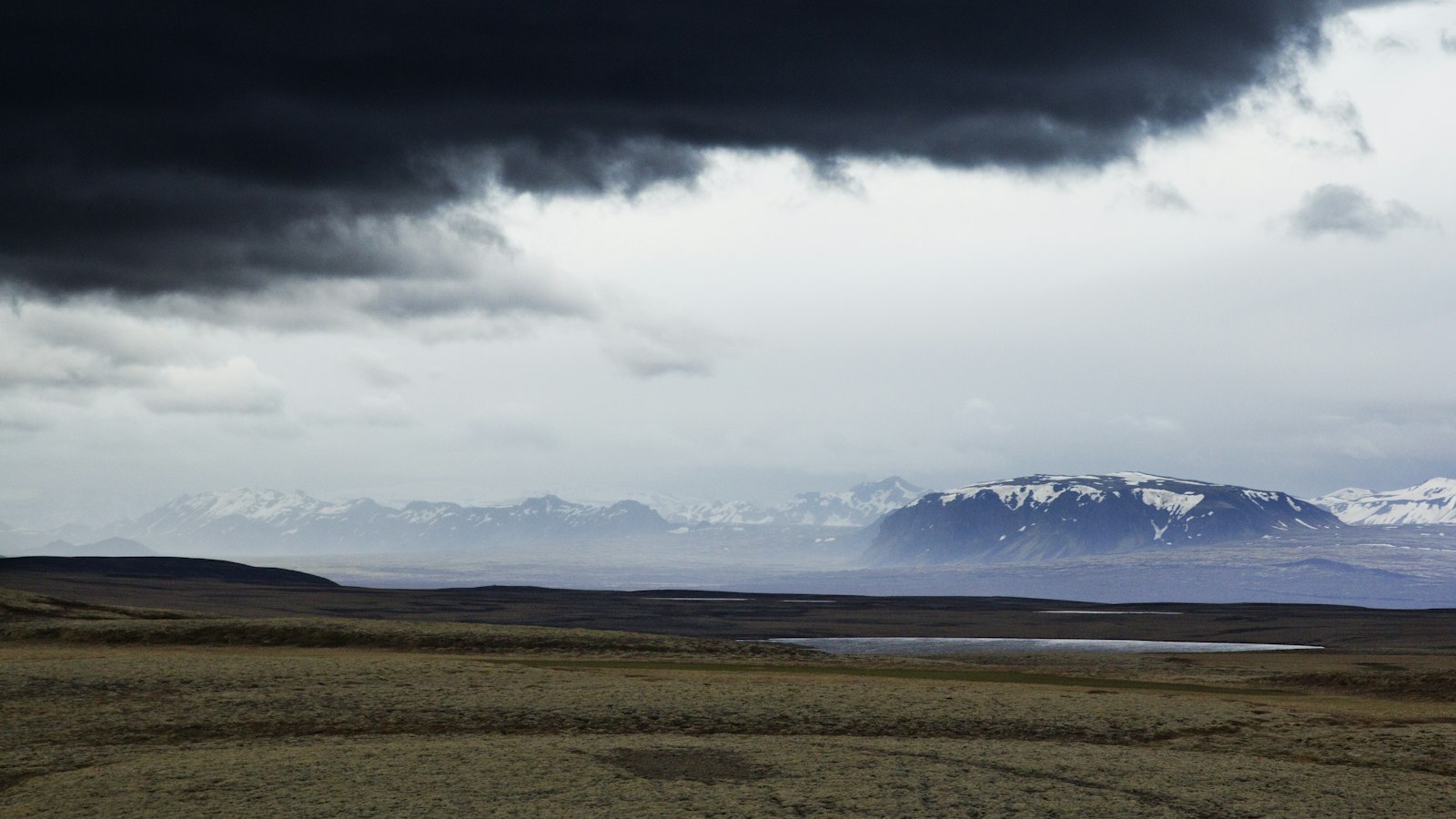
Tornadoes are not what most people associate with Iceland’s dramatic weather. The country is better known for its glaciers, volcanic eruptions and cold North Atlantic winds. Tornadoes in Iceland are exceptionally uncommon: only 13 have ever been documented throughout its history.
Unusual storms in an isolated climate
Iceland’s climate does not typically support the atmospheric ingredients needed for frequent tornado formation. Thunderstorms, which are often precursors to tornadoes elsewhere, are rare in the region. Southern Iceland may witness fewer than five thunderstorms annually, most frequently at the edges of summer. These sporadic storms occur when warm air from Europe moves north, or when intense low-pressure systems from the southwest pass in winter.
Despite the rarity, tornadoes have been confirmed across Iceland, presenting in various forms. Classic tornadoes formed by rotating thunderstorms, known as mesocyclones, have made appearances, but such supercell storms are very rare in the region. More commonly, Iceland sees landspouts and waterspouts, which are generally weaker and less destructive forms of vortex.
Remarkably, no recorded tornado in Iceland has ever caused a fatality or injury. The strongest tornado, rated IF2 on the International Fujita scale, occurred over uninhabited land and did not result in major damage. The sparse population further reduces the likelihood that tornadoes will be noticed or pose a direct threat to people and structures.
Where fire and ice create unusual twisters
Volcanic eruptions can also produce their own tornado-like phenomena in Iceland. During significant eruptions, vortices and spinning columns sometimes emerge from the rising plumes of ash and volcanic gases. An extraordinary example unfolded in September 2014, when multiple ‘lava tornadoes’ or fire whirls formed during the Holuhraun volcanic event. On 3 September, a fire whirl driven by a cloud of sulfur dioxide from the fresh lava reached 1 kilometre (3,300 feet) into the air. Observed via remote infrared camera, these tornadoes typically lasted only a few seconds but presented a striking demonstration of fire meeting Iceland’s fierce winds and cold air.
Other notable tornado events include the July 2007 pair of brief, low-intensity tornadoes near Skaftafell and Vík, which caused minor damage to plant life. In August 2018, the rare IF2 tornado touched down east of Vík, but passed over unpopulated land. Several other confirmed tornadoes have been radar-based findings or observed by onlookers but left little trace due to their passage through remote or uninhabited areas.
Although these phenomena set Iceland apart meteorologically, tornadoes and their kin are mostly scientific and atmospheric curiosities, with little effect on daily life in the country.


