Iceland has long been an island with a reputation for linguistic unity, yet a closer look reveals a rich and changing relationship with languages from abroad. While Icelandic, itself a branch of Old Norse, dominates communication and cultural identity, waves of foreign influence have swept over the island across the centuries.
A history of contact and conservation
The country’s geographic isolation might suggest a language untouched by the outside world, but history tells a more nuanced story. Northern trade routes once made Iceland a meeting point for merchants and sailors from places like Germany, England, the Netherlands, France and even the Basque Country. Some settled, particularly among the clergy or merchant class, often leaving subtle impacts on Icelandic life.
Their lasting legacy is especially clear in the Icelandic vocabulary relating to trade, nautical matters, and religion. Nonetheless, excluding these traces and the historical influence of Latin, the Icelandic language has changed little since first settlement. For many, it serves as a living connection to the country’s earliest days.
Modern language and education
Today, Icelandic is not just the everyday tongue but also the official language, thanks to a law passed by parliament in 2011. That same year, Icelandic Sign Language achieved constitutional recognition, securing its place as the first language for the deaf community.
The country’s period under Danish rule added another layer of multilingualism. Danish, once an official language, lost that role in 1944 when Iceland became fully independent. However, its influence lingers in the education system: learning both Danish (or another Scandinavian language) and English is mandatory for schoolchildren, a practice that helps explain the broad fluency in both languages.
Exposure to English is especially widespread. In a 2011 survey, nearly nine out of ten Icelanders reported hearing English daily, with many encountering it for more than an hour each day. German, Spanish and French are also commonly taught and used, adding further to the linguistic landscape.
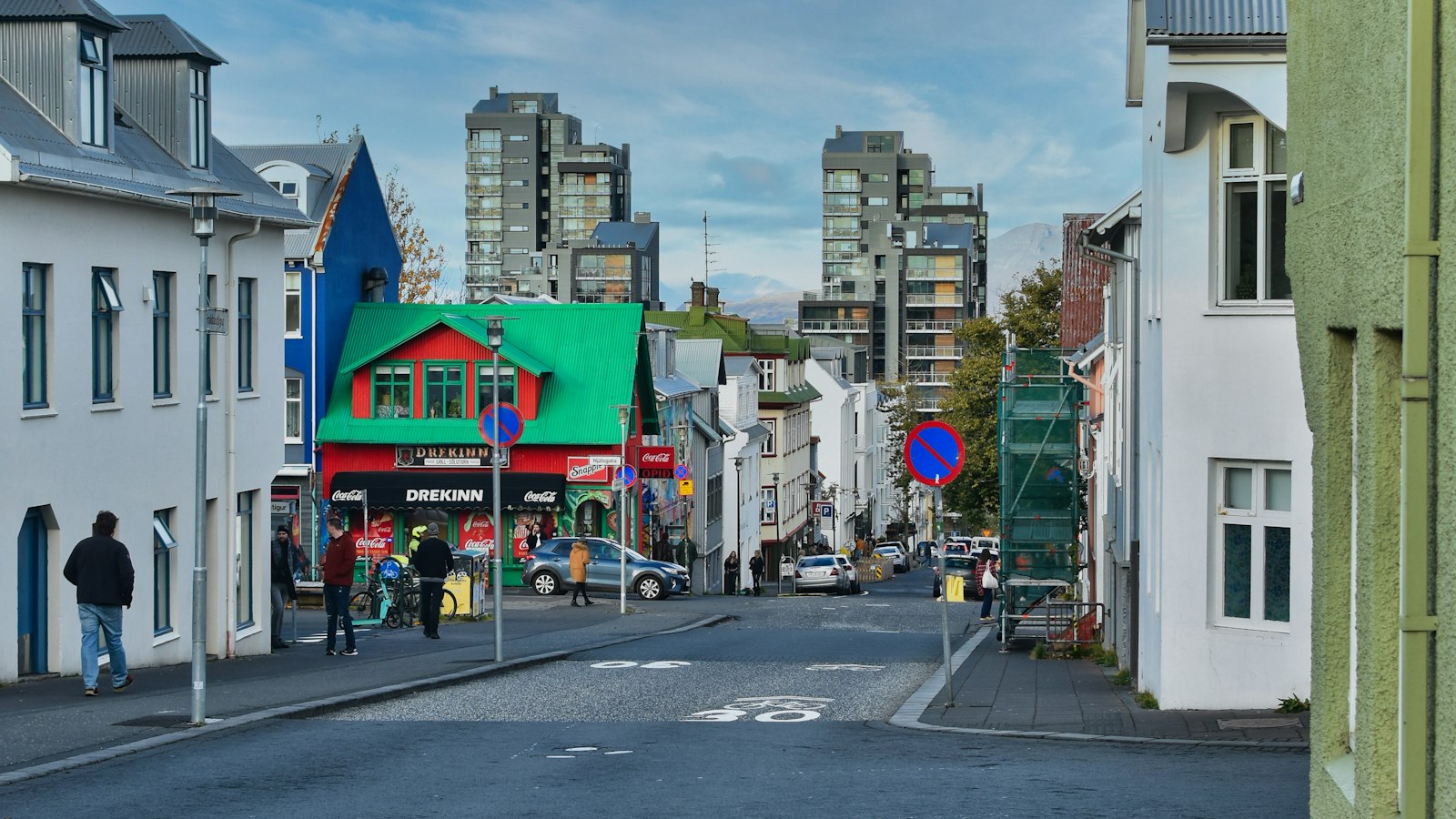
The growing international presence is visible in Reykjavík, where visitors and temporary residents often make up a notable share of the population. Despite these cosmopolitan currents, the uniquely preserved character of Icelandic continues to act as a marker of identity and daily life both for locals and newcomers.


