Iceland in February remains in the heart of winter. The climate is cold, with average temperatures hovering near -1°C (30°F) but sometimes dropping as low as -5°C (23°F) or rising to about 4°C (39°F). Conditions are often unpredictable, and travellers should anticipate snow, rain and sleet, as well as frequent strong winds that intensify the chill.
Proper clothing is essential. Layered outfits with quality outerwear, gloves and hats make being outside more comfortable, as wind chill can make the air feel much colder than the thermometer indicates.
Winter activities and limited daylight
Despite the cold, February appeals to many visitors for its classic winter scenery. The country is usually snow-covered, and frozen waterfalls are a common sight. Winter sports and outdoor activities draw people looking to experience Icelandic nature at its coldest and most rugged.
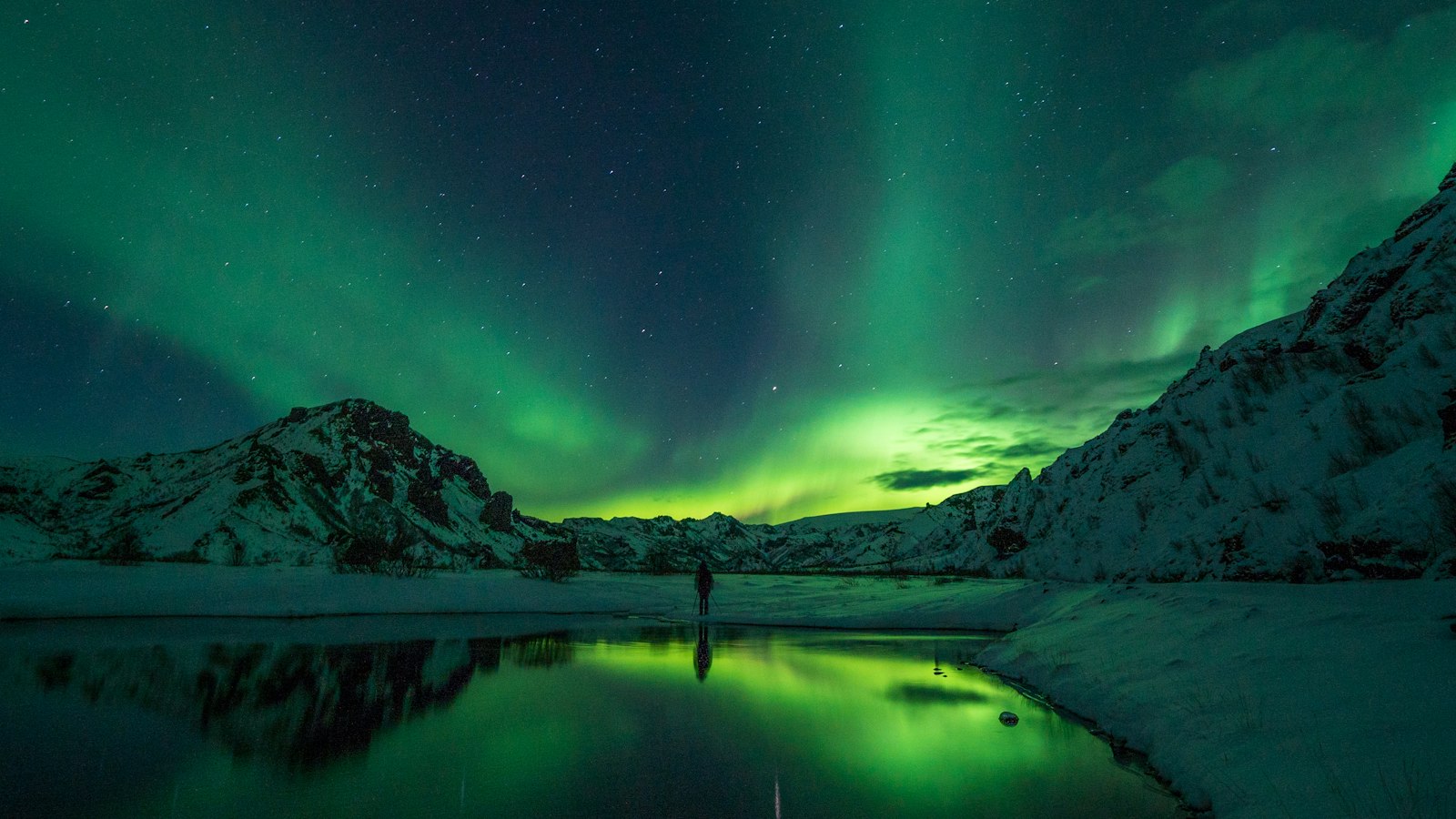
February also offers prime conditions for viewing the aurora borealis, or northern lights. The combination of extended darkness (around six hours of daylight) and the possibility of clear skies gives good opportunities to see the phenomenon. Each day also brings a few minutes more daylight, offering a sense of the slowly lengthening days ahead.
Precipitation in February averages around 72 mm, mostly as snow, with approximately 52 hours of sunshine in the month. Visitors should expect rapidly changing weather and be prepared for a range of wintry conditions.
Those prepared for winter conditions will find February an atmospheric time to experience Iceland’s landscapes, with snow, frozen sights and the promise of brighter days as each week passes.