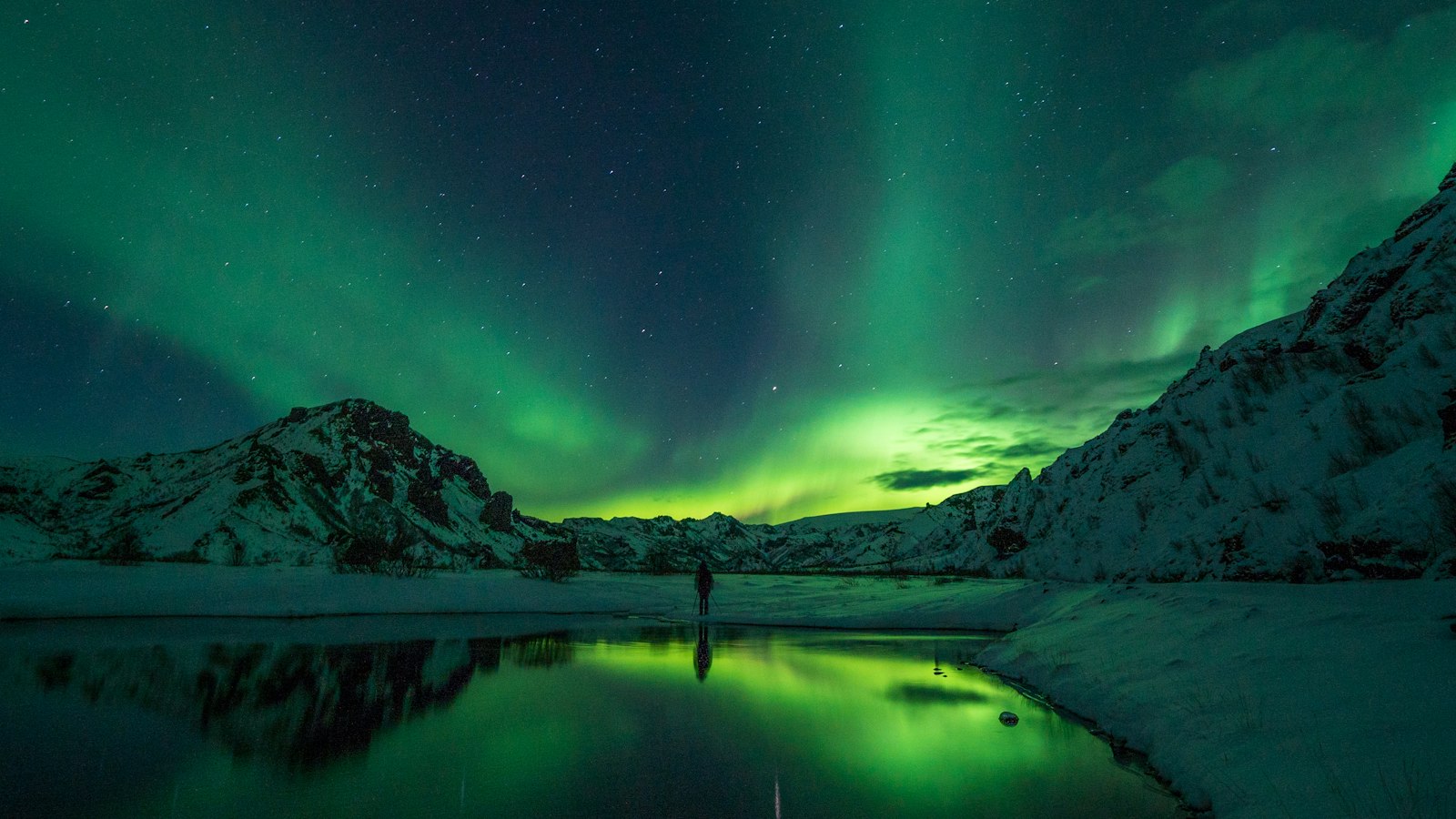
January is among the coldest months in Iceland, with temperatures usually ranging from -5°C to -1°C (23°F to 30°F). Visitors should expect frequent snow and icy conditions during this part of the year. Packing specialised winter clothing and sturdy, waterproof boots is essential for those planning to visit in January.
Weather, daylight and conditions
Despite the wintry reputation, temperatures in Reykjavík are often milder than some North American cities at the same time of year. Nevertheless, conditions can be slippery, and strong winds are not uncommon, so appropriate preparation is important. Iceland’s landscape is often covered in a thick layer of fresh snow, creating a distinctive winter atmosphere. January is considered a prime month for seeing snowy vistas, which characterise the countryside and much of the island.
How to prepare for a January trip
Layering is recommended to stay warm in Iceland in January. Thermal underwear as a base layer, a warm mid-layer such as wool or fleece, and a waterproof, windproof outer shell are advised. Travellers should bring a warm hat, gloves, scarf and insulated waterproof boots with good grip. Packing extra warm trousers, sweaters and an insulated jacket will help visitors stay comfortable during outdoor activities.
Days are short in January, with only about 4 and a half hours of daylight at the start of the month, increasing to just over 7 hours by the end. The amount of daylight grows by a few minutes every day. Travellers should plan their outdoor activities around these limited daytime hours.
Despite the cold and short days, January offers the chance to experience Iceland’s winter activities, including exploring ice caves, glacier hiking and searching for the northern lights. The country’s frozen waterfalls and snowy scenery also create memorable views for visitors.