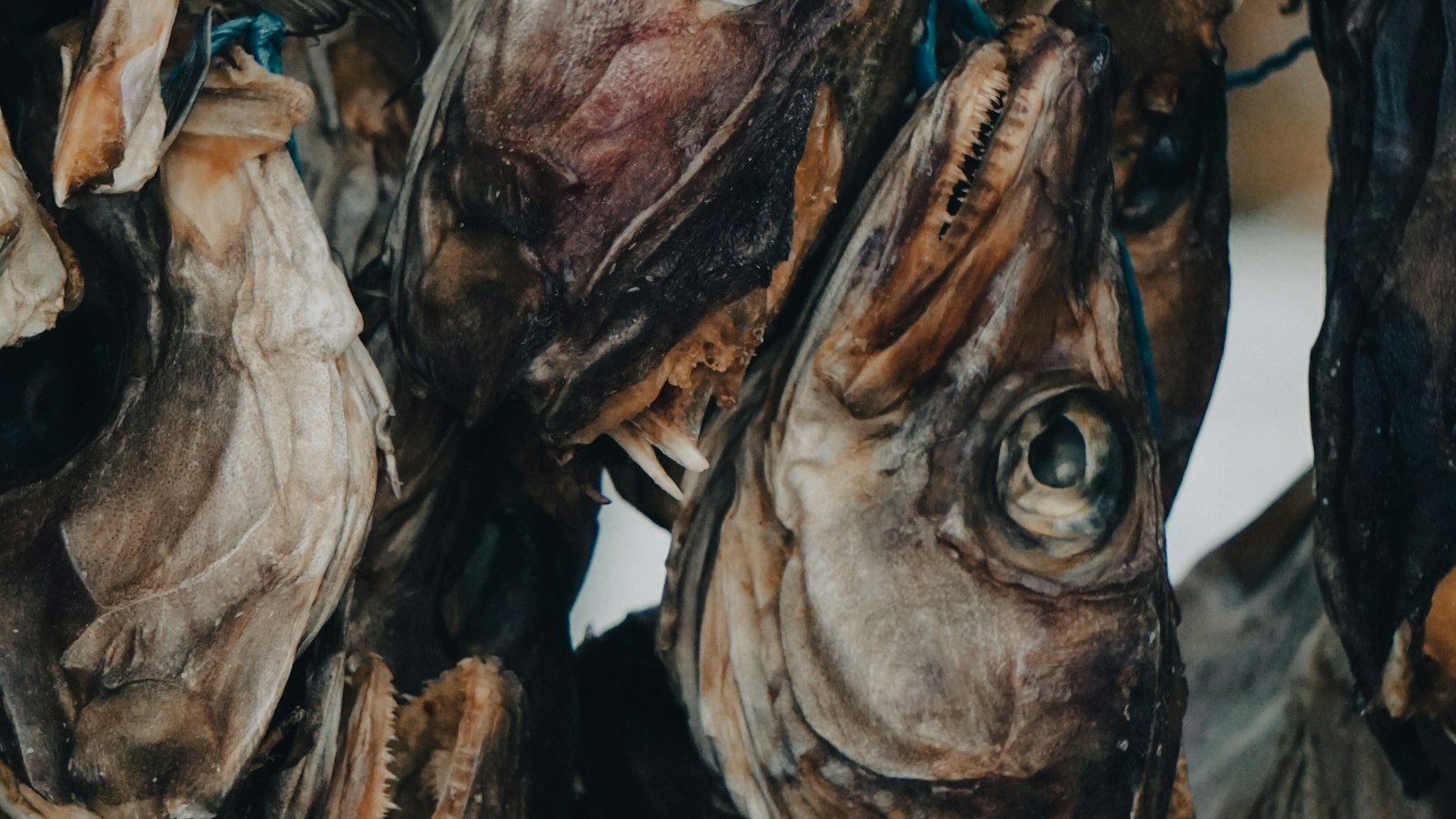
Hákarl, Iceland’s so-called fermented shark, is one of the most distinctive foods found on the island. It is steeped in tradition, a frequent feature at midwinter gatherings, and famous for its potent scent and challenging taste. Beyond its culinary reputation, this dish also opens a window onto environmental concerns and questions of cultural preservation.
A tradition shaped by necessity
The origins of hákarl go back to a time when Icelanders relied almost entirely on what they could catch, gather or raise. Greenland shark, a creature found in the cold North Atlantic waters, provided a source of food in the past, but its fresh flesh was toxic. Over generations, Icelanders developed a unique way to make it edible: a lengthy fermentation process combined with air-drying. Today, hákarl is made by first burying the gutted shark in sand under heavy stones to drain fluids over weeks, followed by hanging strips to dry for up to five months. This approach transforms the meat from poisonous to edible, leaving a pungent aroma that many describe as reminiscent of cleaning agents due to its high ammonia content.
Taste, ritual and reputation
For many Icelanders, hákarl is most closely associated with þorrablót, an annual festival each winter where deeply rooted foods are celebrated. Visitors to Iceland may also encounter it in grocery stores and traditional food platters. Presentation is modest: small, pale cubes served with toothpicks, sometimes accompanied by a sip of the local liquor known as brennivín. Reactions to the flavour and smell are divided. While some Icelanders consider it a symbol of resilience, others approach it with caution. International chefs and presenters have variously compared the experience to eating powerful cheese, strong spirits, or, often, something almost inedible. The first bite can be confronting, but some describe subtle, nutty notes beneath the intense surface.
Hákarl comes in two forms: one is a translucent, firmer type taken from the shark’s belly, called glerhákarl (meaning ‘glassy shark’). The other, known as skyrhákarl (‘skyr shark’), originates from the body and is softer and lighter in colour. Both forms result from the same fermentation and drying process.
Environmental concerns and the future
A key point of discussion around hákarl today centres on the sustainability of harvesting Greenland shark. This species is among the slowest maturing of any vertebrate, taking 150 years to reach adulthood and with lifespans documented at up to four centuries. Because of this, scientists and conservation groups have expressed concerns about their survival, particularly with bycatch and targeted hunting. The Greenland shark is currently listed as vulnerable by international conservation bodies, and debate continues in Iceland about how to balance culinary heritage with the need to protect this unique animal.


