Weddings in Iceland are both an echo of the island’s storied past and a reflection of modern attitudes towards partnership. Although Icelandic society is open to cohabitation without ceremony or formality, weddings themselves have kept a unique blend of tradition and adaptation.
Ceremony shaped by history and family roles
Unlike some countries where lengthy cohabitation is rare, in Iceland, it is common for couples to marry after spending years, sometimes decades, together. This relaxed view towards marriage does not diminish the significance of the wedding day when it arrives. Both the Sagas and later records highlight the cultural importance of these unions, both for the family and the wider community. In the Sagas, wedding feasts stretch over several days, their scale dependent on family status and wealth, with the events serving as places where friendships are forged, deals are struck, and rivalries are sometimes settled.
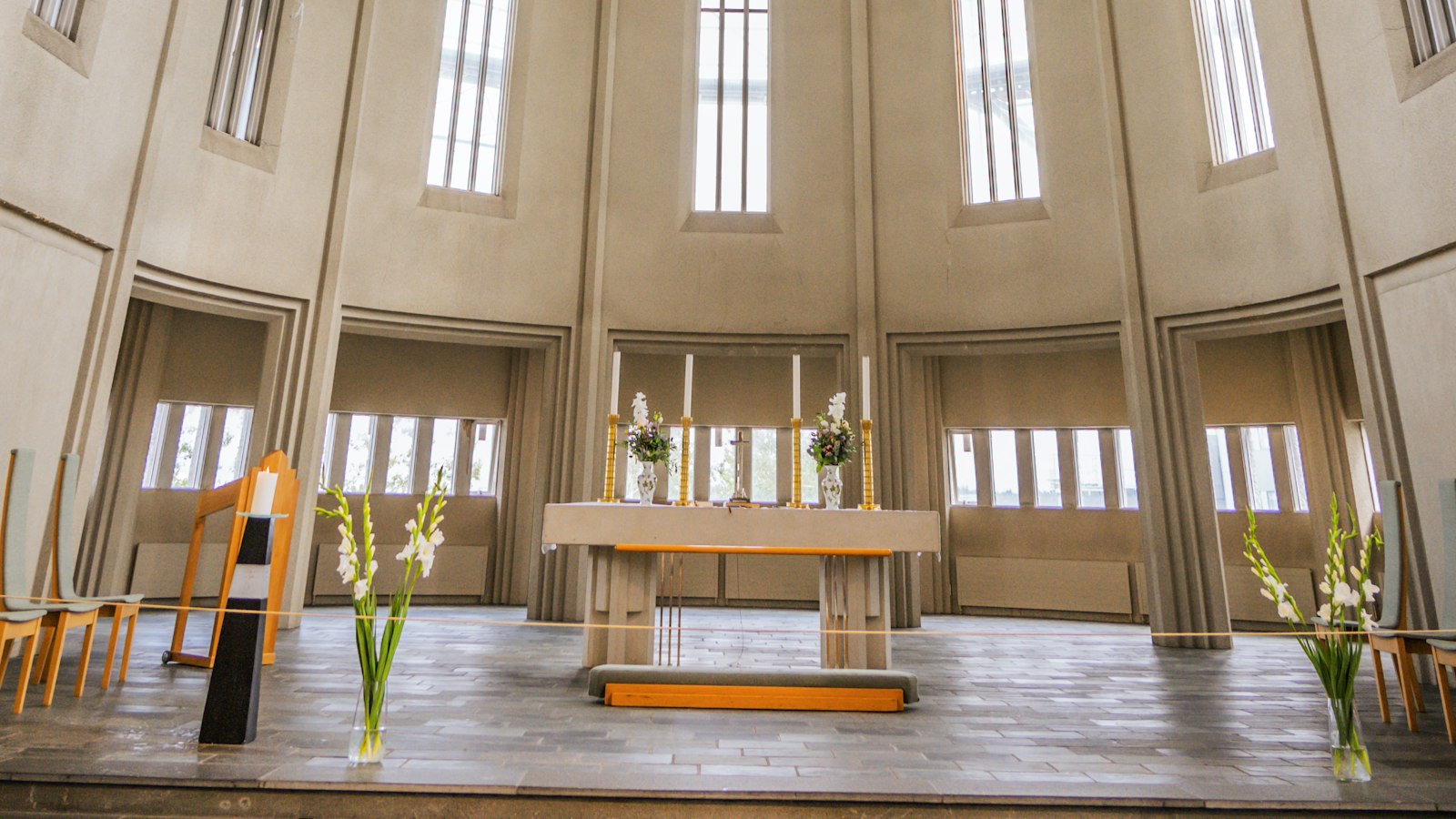
Today’s ceremonies are usually concise, lasting around 30–45 minutes. Most are held in churches, though outdoor weddings have grown in popularity. Despite modern touches, customs persist. Traditionally, seating is divided: men with the groom, women with the bride. At the altar, the groom is joined by his father, both greeting those arriving with a bow, while the mothers welcome visitors in the foyer. The arrival of the bride, accompanied by her father, signals the start of the proceedings for the guests.
Songs, speeches and a shared celebration
Music remains central, with three to five songs, sometimes performed by artists or choirs, punctuating the ceremony. Once vows and rings are exchanged and the couple is pronounced married, specific seating changes further mark the occasion. The conclusion sees the couple lead the way back up the aisle, followed by their fathers and then their mothers, in a calm procession that underlines the familial focus of the day.
Afterwards, while the couple leaves for photographs, guests head to the reception and leave gifts at a designated table. These are not opened until the following day. Receptions themselves reflect Icelandic openness: some continue all evening with dinner, music and dancing, while others might be shorter gatherings with coffee and cake.
The newlyweds are welcomed with a toast, followed by dinner and speeches. Together, the couple cuts into a multi-tier cake and shares the first dance, a bridal waltz, joined gradually by family and then all guests. Strictly observed superstitions bring playful moments, such as the bride tossing her bouquet over her shoulder to unmarried women (the catcher said to be next to wed), with a similar ritual for men and the bride’s garter.
These carefully maintained traditions set Icelandic weddings apart, illustrating a culture where historic rituals coexist comfortably with modern perspectives on love, partnership, and community.


