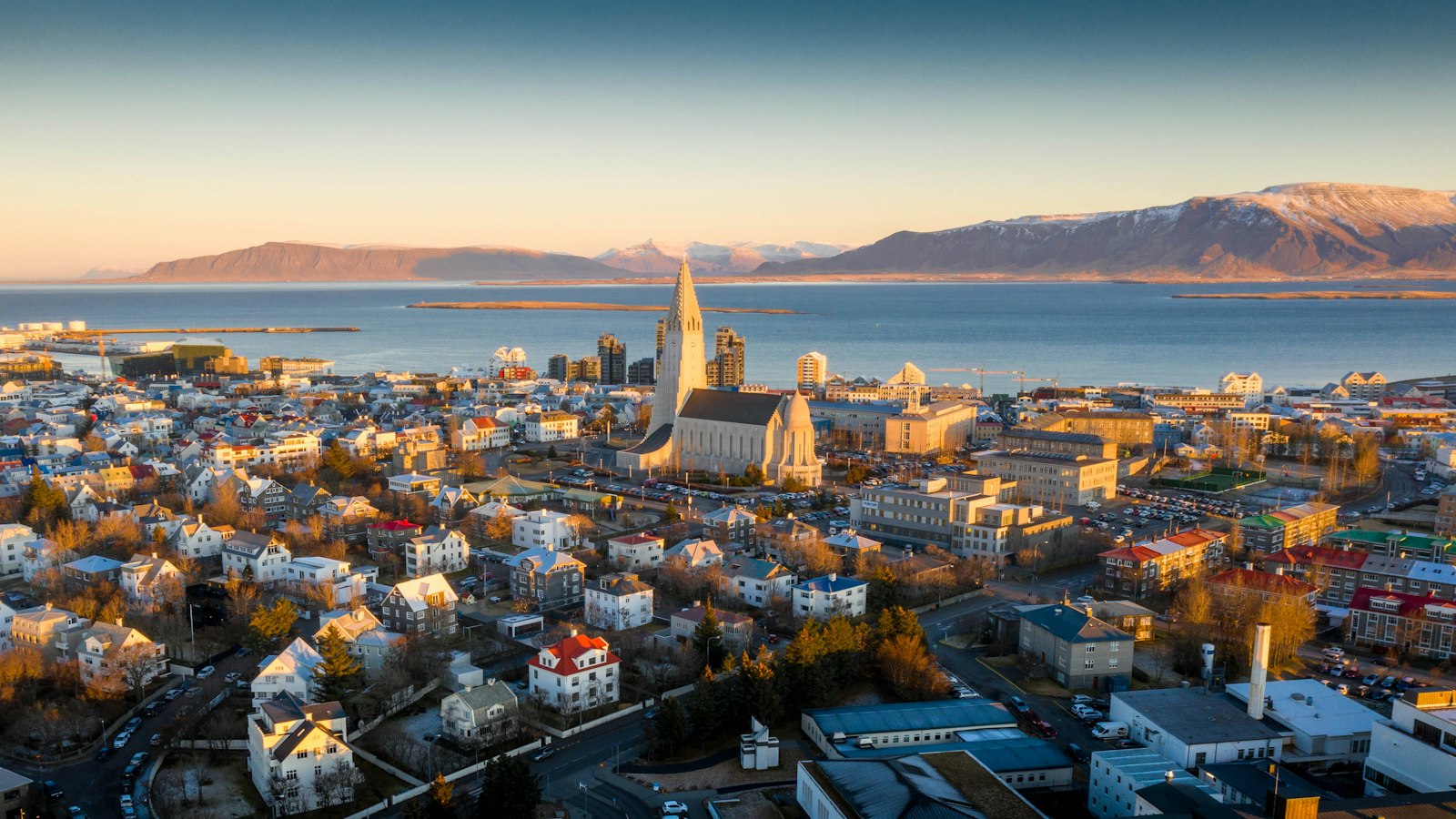
Established in Reykjavik in 1998, Barnahus, meaning “children’s house” in Icelandic, represented a new approach to child protection and justice in Iceland. Grounded in the idea that children need specialised support when they have experienced or witnessed violence, Barnahus offers a setting where multiple services and professionals work together under one roof.
Placing the child at the centre
Unlike the traditional process, where a child might have to visit police stations, hospitals, and courthouses, often intimidating places, Barnahus provides a home-like atmosphere within a residential neighbourhood. Its spaces are designed to be comfortable and private, furnished and decorated to suit children of different ages and needs. This approach was intended to create an environment that helps children feel safe enough to talk freely about the experiences they have had, an essential factor since in many cases the child’s words are the strongest evidence available.
The procedures at Barnahus are not an add-on to legal or welfare processes, they are the official process itself. Barnahus is legally integrated into both Iceland’s public welfare and judicial systems, with government funding supporting its operations. This gives the child’s statement, recorded through a single, specialised forensic interview, direct evidentiary value in court. The presence of a multidisciplinary team, including a judge, social worker, police, prosecution and defence lawyers, and the child’s own advocate, in a side room during the interview means that children do not have to repeat their stories to multiple adults across separate locations or over many months.
A model beyond Iceland
Services at Barnahus do not end with the interview. Medical staff can carry out non-invasive physical assessments on site, and therapeutic support for trauma is available not only for the child but for their non-offending family members. Decisions about follow-up protection and support are made collectively by the professionals involved.
The Icelandic Barnahus drew inspiration from Children’s Advocacy Centers (CACs) first established in the United States in the 1980s, but adapted their approach to function fully within public systems. This combination of legal validity and child-centred support drew attention beyond Iceland’s borders. Within a few years, other Nordic countries followed: Sweden in 2005, Norway in 2007, and Denmark in 2013. By now, there are more than 50 Barnahus locations across the Nordic region, with at least 20 countries in Europe adopting or developing the model.
Barnahus has earned international recognition, including awards from professional societies and positive mention by several United Nations bodies, as an example of best practice in child protection. Its guiding principle remains that all relevant authorities and services should cooperate in ways that put the child’s best interests first, reducing trauma and supporting recovery while upholding the rights of all involved.


