At the close of the 10th century, Iceland faced a volatile divide. Most inhabitants, descended from Norse settlers, observed pagan traditions and worshipped the old gods. But, as traders and travellers arrived, pressure from the growing Christian world began to mount. From 980 CE, visiting missionaries, some Icelandic, some foreign such as a Saxon bishop named Fridrek, attempted to introduce Christianity, but found little success among communities still attached to long-standing beliefs.
Matters grew tense when Olaf Tryggvason, who became King of Norway in 995 CE, used both diplomatic and forceful means to sway Icelanders. Olaf sent mission after mission, beginning with Stefnir Þorgilsson, an Icelander, whose iconoclastic efforts, destroying pagan shrines and images, turned many against him. Olaf’s resolve hardened with each setback. After another missionary, Thangbrandr, converted a few prominent chieftains but also incited violence, King Olaf responded by threatening Iceland’s vital trade: he barred Icelandic ships from Norwegian ports and held the sons of leading Icelandic chieftains hostage to force compliance.
Arbitration at the Alþingi
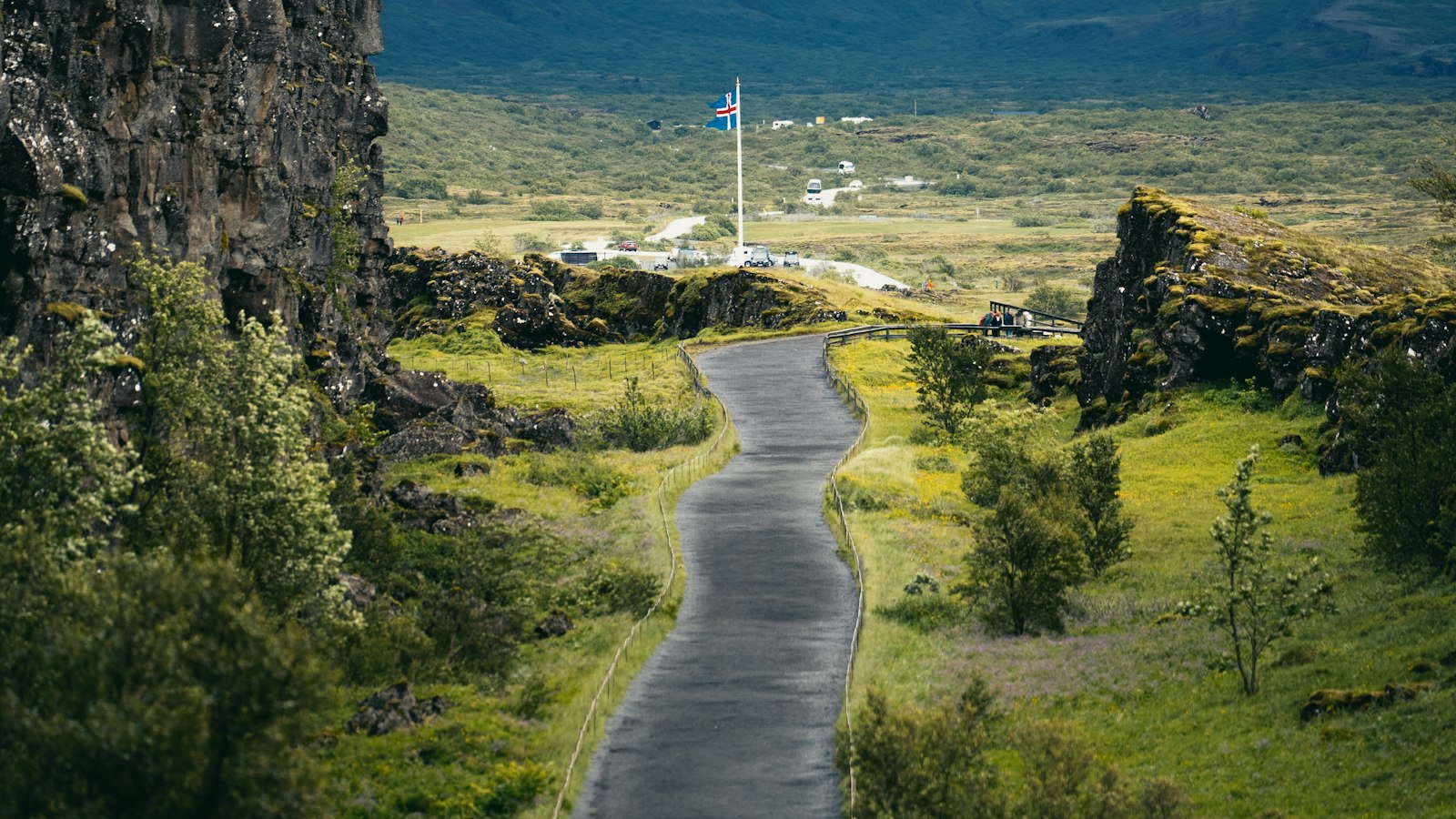
As internal conflict deepened, Iceland teetered on the edge of civil war. The issue simmered until the annual meeting of the Alþingi, the country’s parliamentary assembly, in the summer of 1000 CE. Leaders agreed to settle the dilemma through arbitration rather than bloodshed. The chosen mediator was Þorgeir Þorkelsson, a respected lawspeaker and himself a pagan chieftain from Ljósavatn.
Þorgeir spent a day and night reflecting under a fur cloak. The next day, before the assembled chieftains, he recommended a single law and a single worship for Iceland. Christianity would become the official religion, but certain pagan practices could continue privately, specifically, the exposure of infants, eating horsemeat and secret pagan rites. This compromise, recorded later by Ari Þorgilsson in the Book of the Icelanders (Íslendingabók), a foundational Icelandic text, prevented open conflict and permitted a gradual religious transition.
Transition and legacy
Conversion by decree did not instantaneously change daily life. Before 1000 CE, only four churches are noted; this figure rose slowly as the church grew in strength over the following century. Gradually, private paganism faded and Christian customs and institutions, such as Latin literacy and legal reforms like church tithes, took hold.
This episode left its mark on Icelandic memory. Folktales and later sagas, sometimes blending fact and fiction, tell of Thorgeir throwing pagan idols into what became known as Goðafoss (Waterfall of the Gods). Though the story is likely a later invention, the symbolism remains powerful: a moment when collective decision shaped not only belief, but identity, and set Iceland apart among the Norse societies for adopting Christianity without mass violence.
Sources
- Wikipedia
- Wikipedia (Icelandic) in Icelandic


