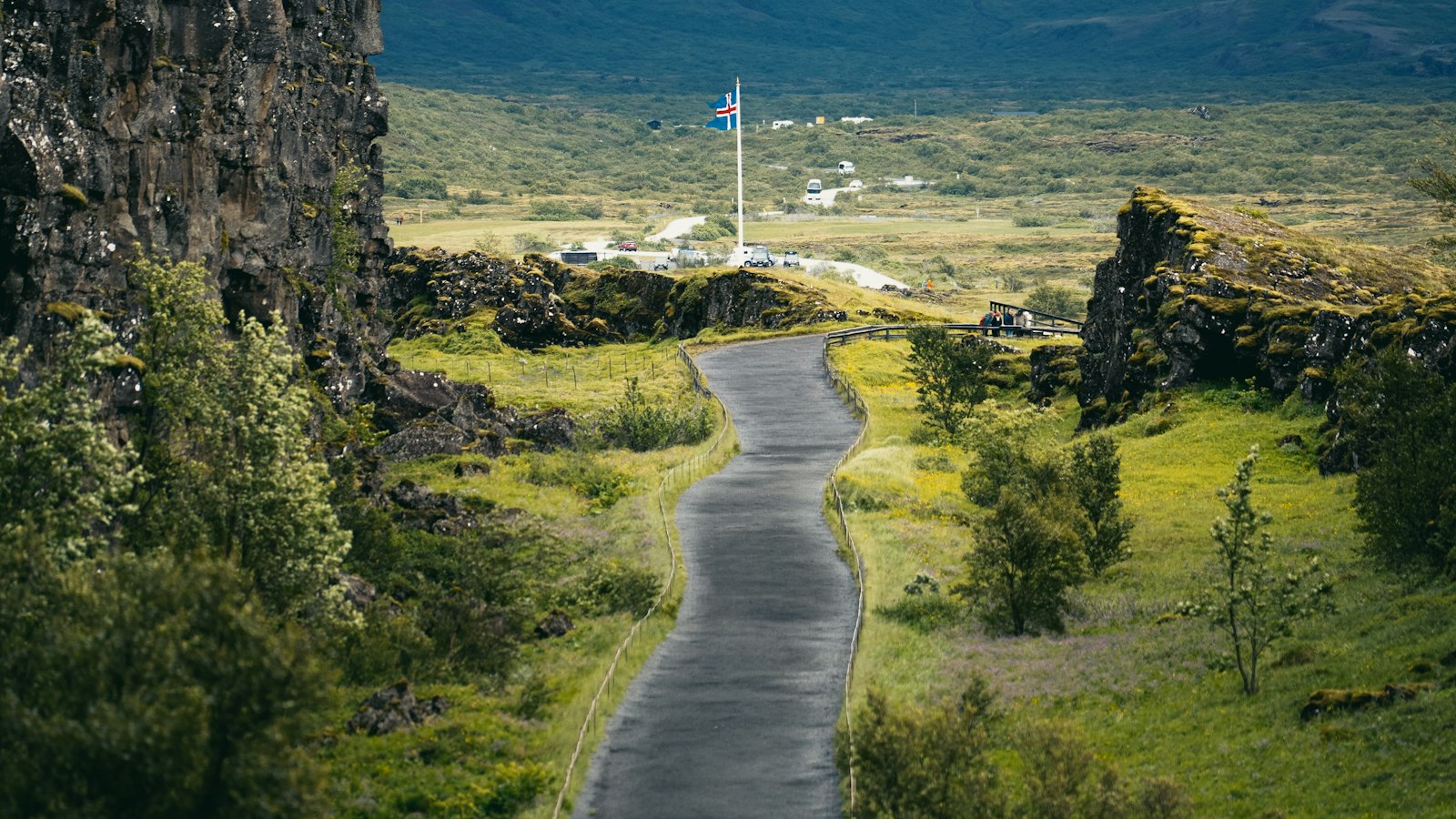
The story of Icelandic nationality is closely tied to the island’s long history of self-rule, foreign dominance and the enduring value placed on cultural heritage. Located between Europe and North America, Iceland’s identity has been forged through centuries of negotiation with outside forces and internal convictions.
From early independence to foreign rule
In the year 930 AD, Iceland established one of the world’s earliest parliaments, known as the Althing (alþingi). This annual gathering was responsible for passing laws and settling important disputes, uniting the scattered communities of the island. The Althing became a symbol of communal self-governance and was deeply woven into the national culture. Even after Iceland swore allegiance to Norway in 1262 and subsequently came under the Danish crown in 1380, the Althing continued to play a role in local affairs, mainly due to the monarch’s limited engagement with Iceland’s distant population.
This autonomy faded in 1660 when Denmark adopted absolutist rule, stripping the Althing of legislative powers. It was reduced to a judicial body before being abolished entirely in 1800. The loss was a blow to Icelandic identity, removing a powerful cultural anchor.
Nationalism and the path to citizenship
A resurgence of nationalist sentiment in the 19th century was sparked not by politicians, but by writers and poets inspired by Enlightenment ideals. The reinstatement of the Althing in 1843 as an advisory council to Denmark marked a turning point and became a rallying symbol for independence. In 1851, a proposed Icelandic constitution brought open conflict with Danish authorities for the first time.
Iceland gradually regained control over internal affairs through the late 19th and early 20th centuries. Trading freedom was won in 1854, followed by reforms in election laws, and the Althing gained legislative authority in 1874. The appointment of an Icelandic cabinet minister in 1903 further reduced Danish influence. Sovereignty arrived in 1918, and full republican independence was declared in 1944. Throughout these changes, Icelanders emphasised shaping the new nation according to their own heritage, rather than emulating continental models.
Icelandic nationality law is based on ancestry rather than birthplace. Simply being born on Icelandic soil is not enough to claim citizenship; parentage is the determining factor. Historically, emigration, particularly following natural disasters in the late 1800s, meant that many Icelanders lost citizenship when settling abroad, as dual citizenship was not allowed until 2003.
Rights and obligations today
All citizens enjoy free public education and access to health care, with additional provisions extending to long-term residents and refugees. The state ensures the right to assembly and religion, though Lutheranism is given a unique status. Women possess equal rights under the law, although pay gaps persist. Meanwhile, all residents, regardless of citizenship, are subject to taxation if they live in Iceland for six months or longer.
Iceland’s modern sense of nationality continues to reflect its roots: a mixture of independence, communal organisation and concern for cultural preservation in a changing world.


