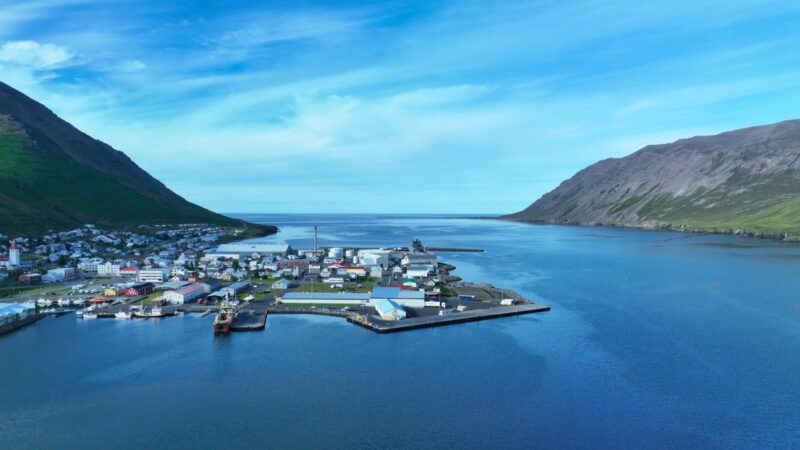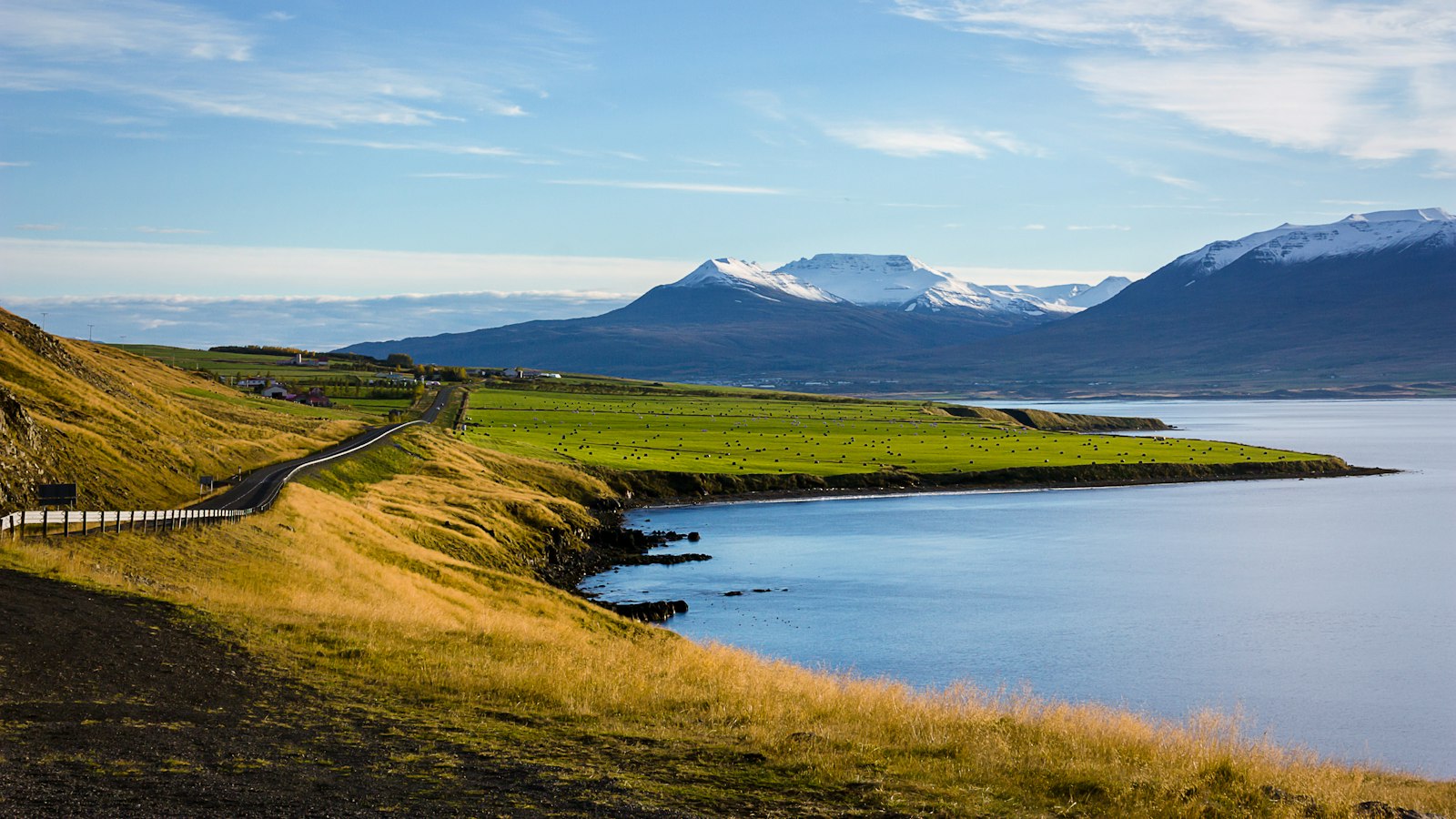
Occupying a vast part of the northern hemisphere, the taiga, an expanse of predominantly coniferous woodland, ranks as Earth’s largest land biome. While it is better known in North America and Eurasia, the reach of the taiga even extends to low-lying and coastal regions of Iceland, marking its presence in surprising places.
Origins and boundless geography
The word ‘taiga’ has roots in Russian, itself possibly adapted from Turkic or Mongolic languages where it refers to extensive, often remote forest landscapes. In different regions, the terminology shifts: in many parts of North America, ‘boreal forest’ is a common alternative, especially when referring to the entire circumpolar coniferous zone.
Sweeping across more than 17 million square kilometres, the taiga covers a significant swath of Canada, Alaska, Russia, Scandinavia and smaller portions of countries such as Kazakhstan and Japan. In this environment, the landscape is defined by hardy species, pines, spruces, larches and birches, adapted to short summers and lengthy, punishing winters.
Climate, seasons and ecological challenges
Life in the taiga is shaped by extreme temperatures. Some areas, particularly in Siberia, regularly experience some of the coldest winters outside the polar regions, dipping as low as –50°C. Contrastingly, summer days can bring milder air, sometimes reaching above 30°C, though these temperate spells are brief.
The sunlight and seasons are both generous and cruel. In the peak of summer, long daylight hours draw out the growing season, which may last as many as 180 days in maritime-influenced areas but contracts to as little as 50 days toward the tundra margins. Low precipitation, mostly in the form of snow or summer rain, is enough to sustain the dense forests, in part because cool temperatures limit evaporation. Snow can linger for up to nine months each year.
Taiga soil is not particularly forgiving. Youthful and thin, it lacks the richness of many temperate forests; the cold hinders decomposition and keeps nutrients limited. Dense conifer stands cast shade, and slow decay of needles and wood often leaves a blanket of organic remains across the ground.
The forest’s future
The taiga as we know it has only developed over the last 12,000 years, forming as glaciers withdrew after the last Ice Age. Today, these forests face an uncertain future, particularly with shifting climates threatening the sensitive balance of cold and light that has defined the biome for millennia.
In Iceland and elsewhere on the margins of taiga, these woods are reminders of the interconnectedness of northern environments. They highlight not only the resilience of life in harsh climates but also the vulnerability of vast natural systems to a changing world.
Sources
- Wikipedia
- Wikipedia (Icelandic) in Icelandic