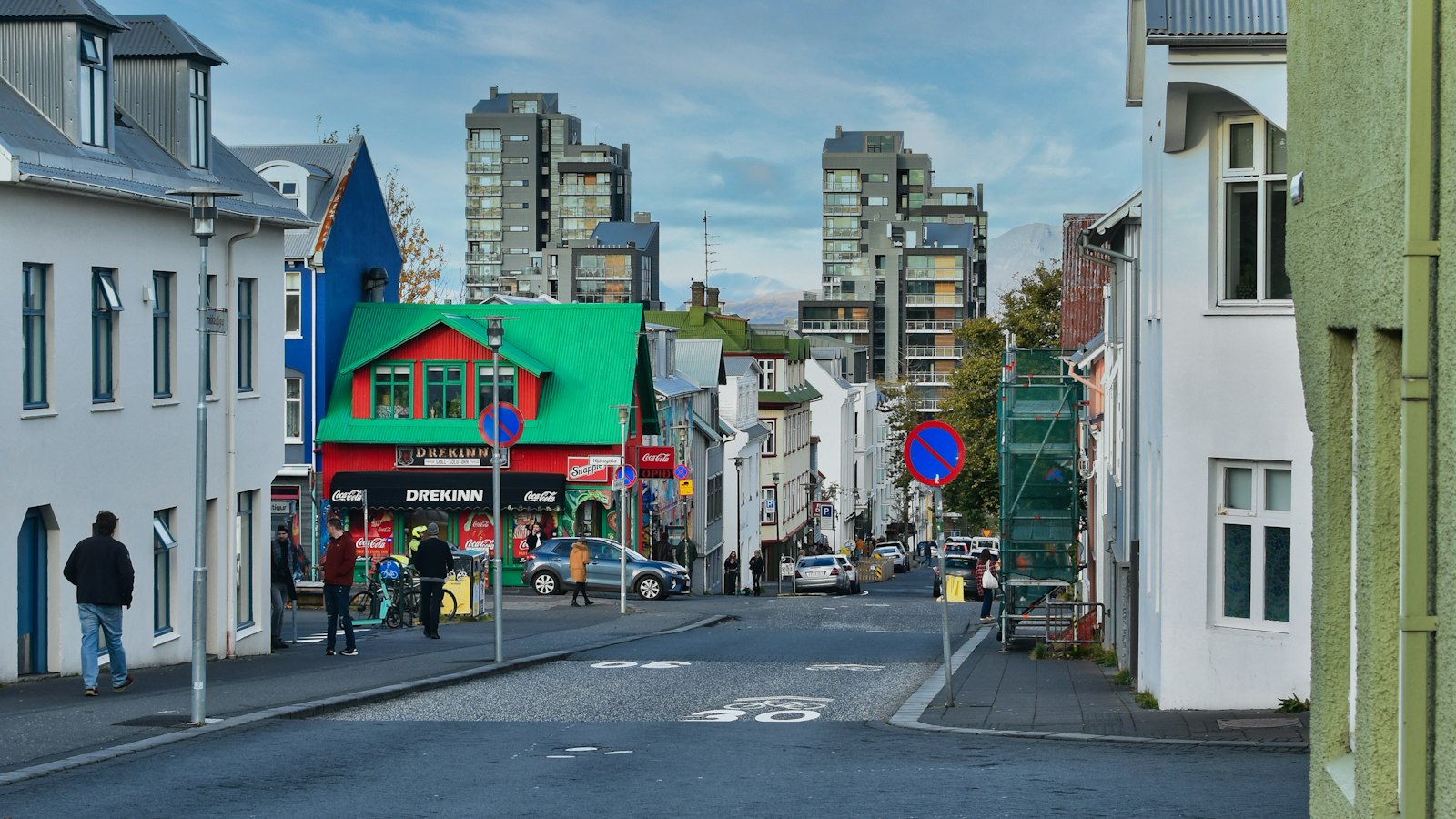
Across the centuries, Icelanders have left their island home to build lives in faraway lands. The Icelandic diaspora is small compared to some nations, yet its impact can be traced across continents. Modern descendants of emigrants are found in countries such as Canada, the United States, Norway, and even as far afield as Australia and New Zealand.
A journey from island to prairie
Emigration from Iceland gathered momentum in the late nineteenth century. Harsh weather, volcanic eruptions, and economic hardship spurred many to leave. The North American plains became a particular destination, with pockets of Icelandic settlement taking hold in both Canada and the United States. Today, places like Manitoba and North Dakota tell stories of communities who held onto their Icelandic language, traditions, and food, even as they adapted to new surroundings.
Canada, in particular, became home to one of the largest populations of Icelandic descent outside the homeland. Several notable Canadians trace their roots to Iceland, from author David Arnason and politician Henry Einarson to arctic explorer Vilhjalmur Stefansson. Film director Sturla Gunnarsson and screenwriter Guy Maddin add to the Icelandic presence in Canadian arts and culture.
Influence through art, invention and sport
The influence of Iceland’s emigrants reaches well beyond North America. Gunnar Hansen, born in Reykjavík, became known internationally for his role as Leatherface in the 1974 horror classic The Texas Chain Saw Massacre after moving to the United States. In the United Kingdom, clothing entrepreneur Linda Bennett and composer Hafliði Hallgrímsson (now based in Edinburgh) demonstrate Icelandic creative roots flourishing abroad.
Other artists have woven Icelandic heritage into international popular culture. Björk, perhaps Iceland’s most famous singer, spends part of her time in the United States. Emilíana Torrini, another acclaimed vocalist, now lives in London. Musicians like Laufey, whose background includes both Icelandic and Chinese heritage, continue this global tradition while living in Los Angeles. Each blends elements of Icelandic identity into a broader artistic career.
Sport and exploration are also part of the Icelandic story abroad, with figures such as ice hockey player Frank Fredrickson and astronaut Bjarni Tryggvason born to Icelandic families in Canada. Chester Thordarson, meanwhile, took Icelandic inventiveness to the United States, where he gained nearly one hundred patents over his career.
A shared identity in new places
Small Icelandic populations are also found in Norway and Sweden, reflecting long-standing regional ties. Some, like poet Jón Sveinbjørn Jónsson, were born in Iceland and brought the language and traditions to their adopted countries. In New Zealand, singer-songwriter Hera Hjartardóttir keeps Icelandic cultural links alive from the Southern Hemisphere.
Despite distances and generations, many Icelandic descendants abroad maintain links to the language and traditions of their ancestors. Whether through literature, music, science or local community, the story of Iceland’s diaspora is one of resilience and creative exchange, with roots that continue to grow in soil far from the volcanic island.


