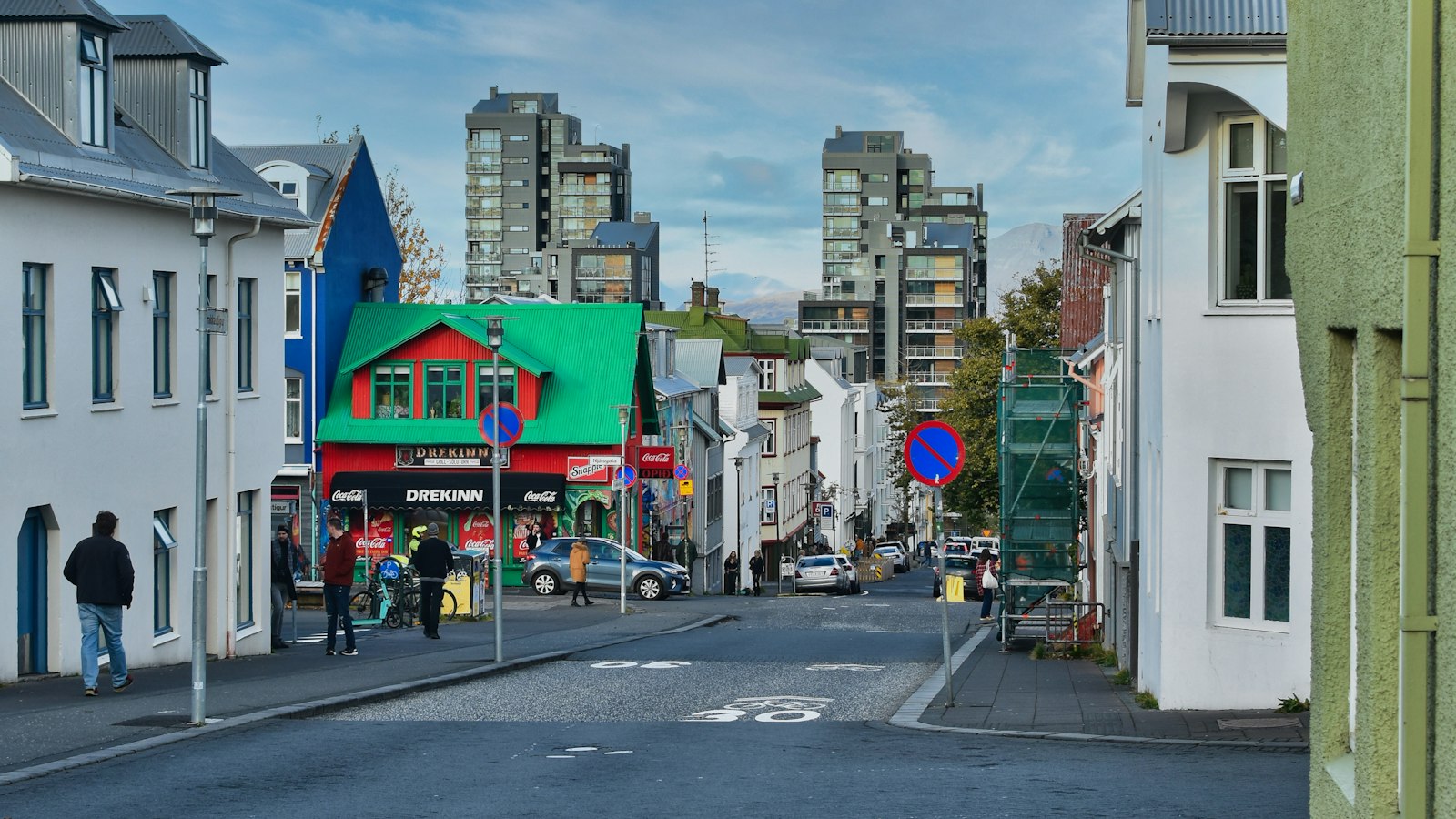
Walking through Reykjavík or any larger Icelandic town, conversations in Polish may be heard alongside Icelandic. The Polish community, the most significant immigrant group in Iceland, has gradually established distinct roots on this North Atlantic island.
Waves of arrival and change
Migration from Poland to Iceland reflects wider changes in European history. The first notable arrivals came at the end of the 19th century when Poland vanished from the map as a sovereign state. For much of the 20th century, especially during the decades of the Iron Curtain, travel was restricted and only a handful of Poles made their way to Iceland. This situation transformed in the early 2000s.
As Poland joined the European Union in 2004, borders opened and movement became easier. Iceland soon saw a considerable rise in arrivals from Poland, particularly with the boom in Iceland’s construction sector in 2006. Polish workers filled growing labour demands and within a single year, the community’s size increased by more than three-quarters. Iceland and Poland joined the Schengen Zone soon after, meaning that Poles no longer needed special permits to work or live in Iceland. The financial crisis of 2008 broke this trend, marking a year when as many or more Poles left than arrived.
Life between languages
Many people within the Polish community in Iceland maintain strong ties to Poland, both culturally and linguistically. Daily life for many revolves around the Polish language, watching familiar television programmes and maintaining Catholic religious traditions. Icelandic society, which has historically been shaped by emigration more than immigration, has accommodated these newcomers in various ways.
The community often remains insular. A 2012 study found that Polish Icelanders were more likely to speak English, rather than Icelandic, in everyday life and relied upon English as a broader communication tool. Efforts to connect with Icelandic society are ongoing, but cultural and language barriers linger.
There are Polish restaurants in the country’s larger towns and cities, hubs where traditional foods provide comfort and continuity to migrants far from home. The Icelandic public service broadcaster RÚV launched a Polish-language news service and podcast in 2020, coinciding with the COVID-19 pandemic, to ensure that critical public information reaches this significant audience.
Poles in Iceland, while far from home, have kept an active interest in the politics of Poland. During the 2020 Polish presidential election, local turnout showed a preference for opposition candidate Rafał Trzaskowski over incumbent Andrzej Duda, a result that contrasted with the Polish electorate as a whole.


