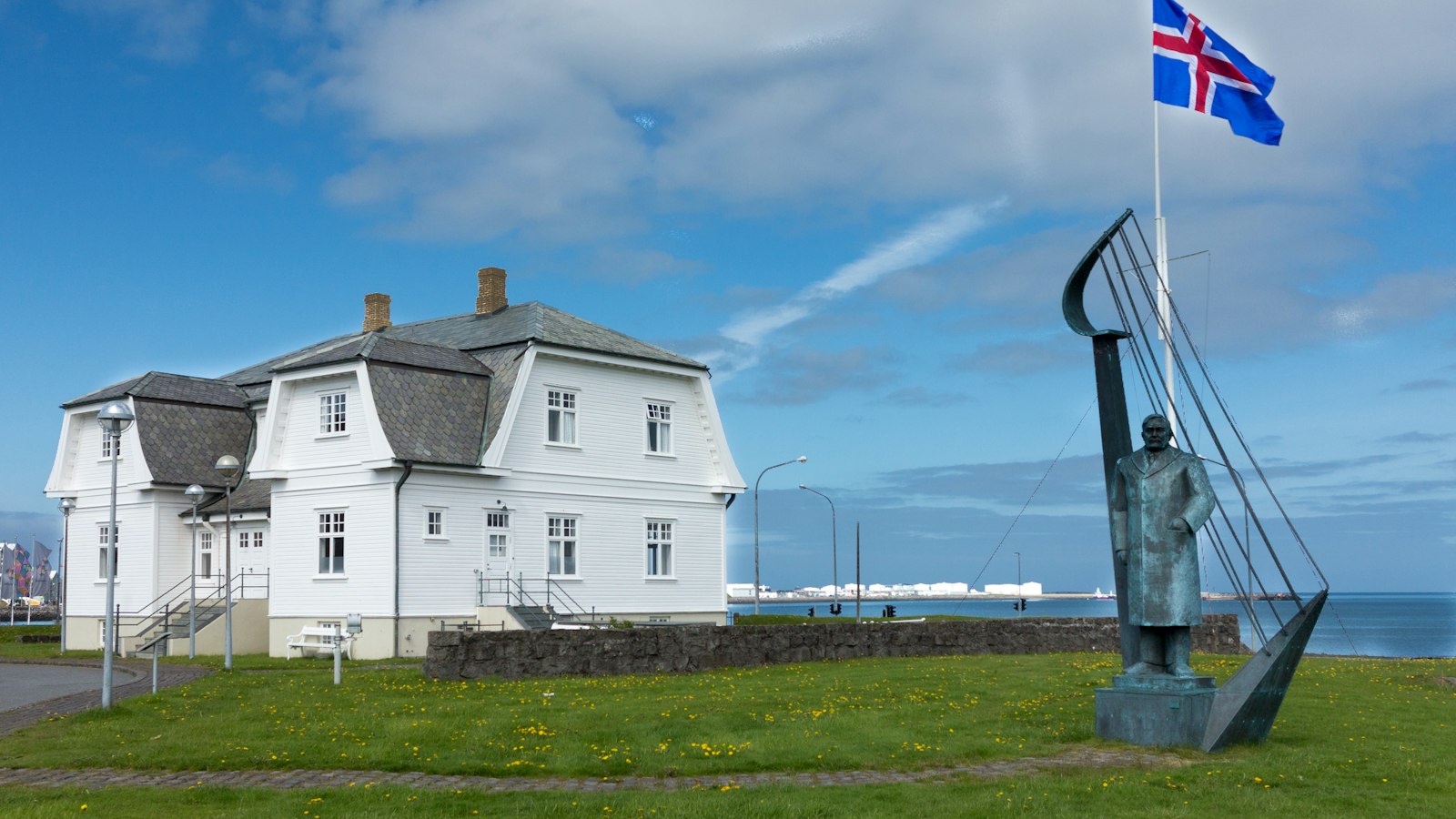
The Iceland Crisis Response Unit (ICRU), known in Icelandic as Íslenska friðargæslan, represents Iceland’s unique approach to international peace and aid missions. Operated by the Ministry for Foreign Affairs, the unit brings together up to 200 specialists who can be called upon for crisis response, though only about 30 are active at any one time.
Evolving roles in global missions
Since its formal organisation in 2001, the ICRU has participated in a range of missions, adapting over the years as Iceland’s international role has changed. The country first sent peacekeepers abroad in 1950, when two police officers joined a United Nations operation in Palestine. For decades afterwards, Icelandic experts participated in peacekeeping missions through the UN and eventually NATO, but it was only in the 1990s that systematic planning for these deployments began.
At first, the ICRU was primarily a peacekeeping force, operating alongside NATO in the former Yugoslavia, Kosovo, and Afghanistan, and working with organisations such as UNIFEM (the United Nations Development Fund for Women). Teams included specialists like police officers, Coast Guard members, engineers, doctors, and nurses. Some personnel received military firearms and wore uniforms during foreign deployments, particularly in zones requiring coordination with military forces.
Over time, Iceland’s contributions shifted toward civilian support and reconstruction. After 2008, the ICRU adopted a policy of avoiding uniforms and weapons in most situations, signalling a move away from military-style peacekeeping. Legal updates in 2007 reinforced this direction, requiring all ICRU “peacekeepers” to have college degrees, and by 2014 the unit operated mainly as a civilian aid team.
Expertise beyond borders
The ICRU’s expertise covers much more than traditional peacekeeping. Personnel have aided missions with large international agencies, ranging from assisting women and children through UNICEF, to supporting refugee efforts with UNRWA and human rights fieldwork with the Organisation for Security and Cooperation in Europe (OSCE). In Sri Lanka, Icelanders contributed to a Nordic-backed observer mission, and specialists in explosive ordnance disposal from the Icelandic Coast Guard worked in Lebanon and Iraq.
ICRU operations focus on four main types: peacekeeping and crisis management, observer roles, reconstruction tasks, and humanitarian or emergency assistance. Recruits come from a variety of backgrounds, including social sciences and logistics as well as medicine and law enforcement. Training is tailored to their roles and local needs, but since 2009 no military instruction has been provided.
Oversight of these deployments and the gathering of relevant intelligence for security purposes remains within the Ministry for Foreign Affairs and associated agencies in Iceland, reinforcing the country’s commitment to accountable, non-military support in international crises.


