In recent years, Iceland’s population has seen the arrival of a new community shaped by crisis far away. Venezuelans now represent the 11th largest group of foreign nationals in Iceland. Their story reflects both the rapid changes in global migration and the unique circumstances driving people to seek safety on northern shores.
A community built in uncertain times
The presence of Venezuelans in Iceland was minimal before the 2020s. Fewer than 30 were recorded in 2010 and even in 2016, requests for asylum had not begun. But as Venezuela’s economic and political situation deteriorated after 2016, millions sought new lives elsewhere, including in Iceland. The journey was not merely about distance; for many it was about finding a place where trust in authorities and basic security could be restored.
By 2019, Iceland saw a notable rise in arrivals as its policies toward Venezuelan refugees were considered among the most welcoming in Europe. That year, all Venezuelan asylum requests, around 160, were approved, making them the nationality with the highest number of successful applicants. Psychologists and studies noted that this migration often followed experiences of trauma and instability in Venezuela, with many expressing a newfound sense of safety in Iceland and greater confidence in institutions such as the police.
The early 2020s marked the peak of this migration wave. In 2021, approvals of Venezuelan asylum requests nearly reached 360. By 2023, the Venezuelan population in Iceland grew to 1,221, a dramatic increase from just 228 three years earlier. Favorable policies, high living standards, and the promise of safety drew many to Reykjavík and other cities.
Changing policies and daily realities
These years of welcoming policies gave way to new challenges. In 2022, more than 400 Venezuelans received protection in the first nine months, but government concerns about the increasing numbers led to a policy shift. In 2023, the Icelandic authorities declared Venezuela a safe country, resulting in more asylum application rejections and the first deportations of Venezuelan migrants. Despite this, the Venezuelan population reached 1,973 by 2026.
Integration has not been seamless. Many migrants, particularly those seeking asylum, faced limited rights to work and difficulties establishing daily routines. Asylum rejections extended even to families with children, sometimes affecting vulnerable individuals suffering from health issues. According to surveys, most Venezuelan migrants in Iceland have expressed a desire to return to Venezuela if conditions there improve.
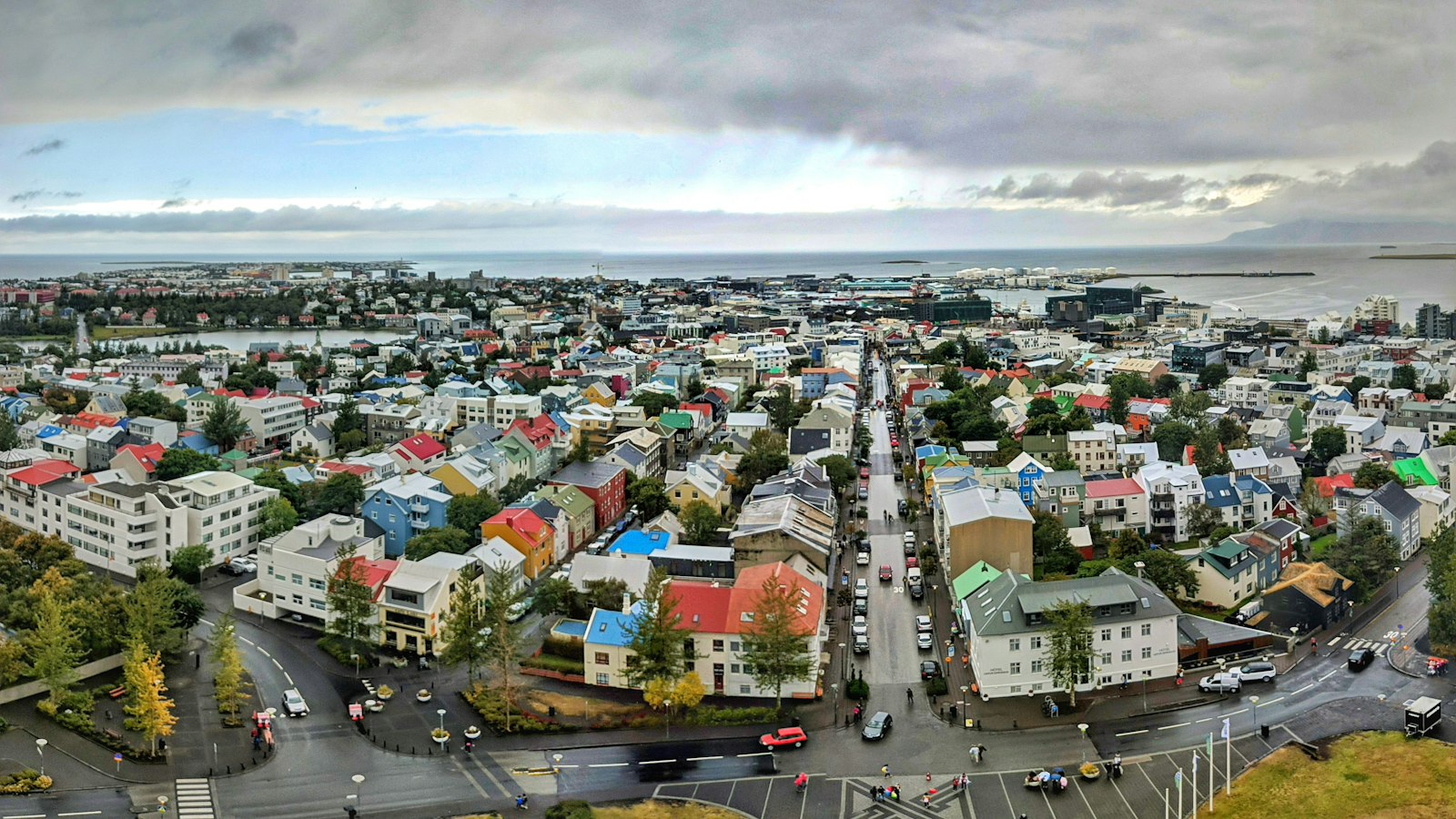
Geographically, the community is concentrated in Reykjavík, with 1,057 residents as of 2026. Other urban areas such as Hafnarfjörður, Reykjanesbær, Garðabær, and Kópavogur each host over 100 Venezuelans, yet the growing community is gradually spreading throughout Iceland’s cities.


