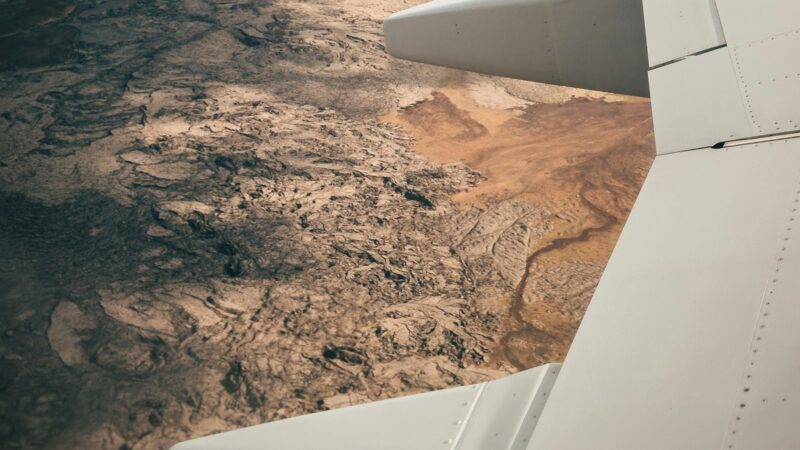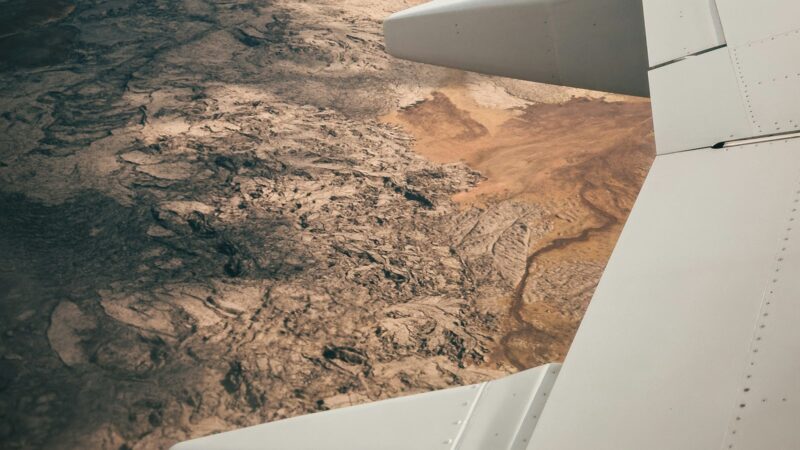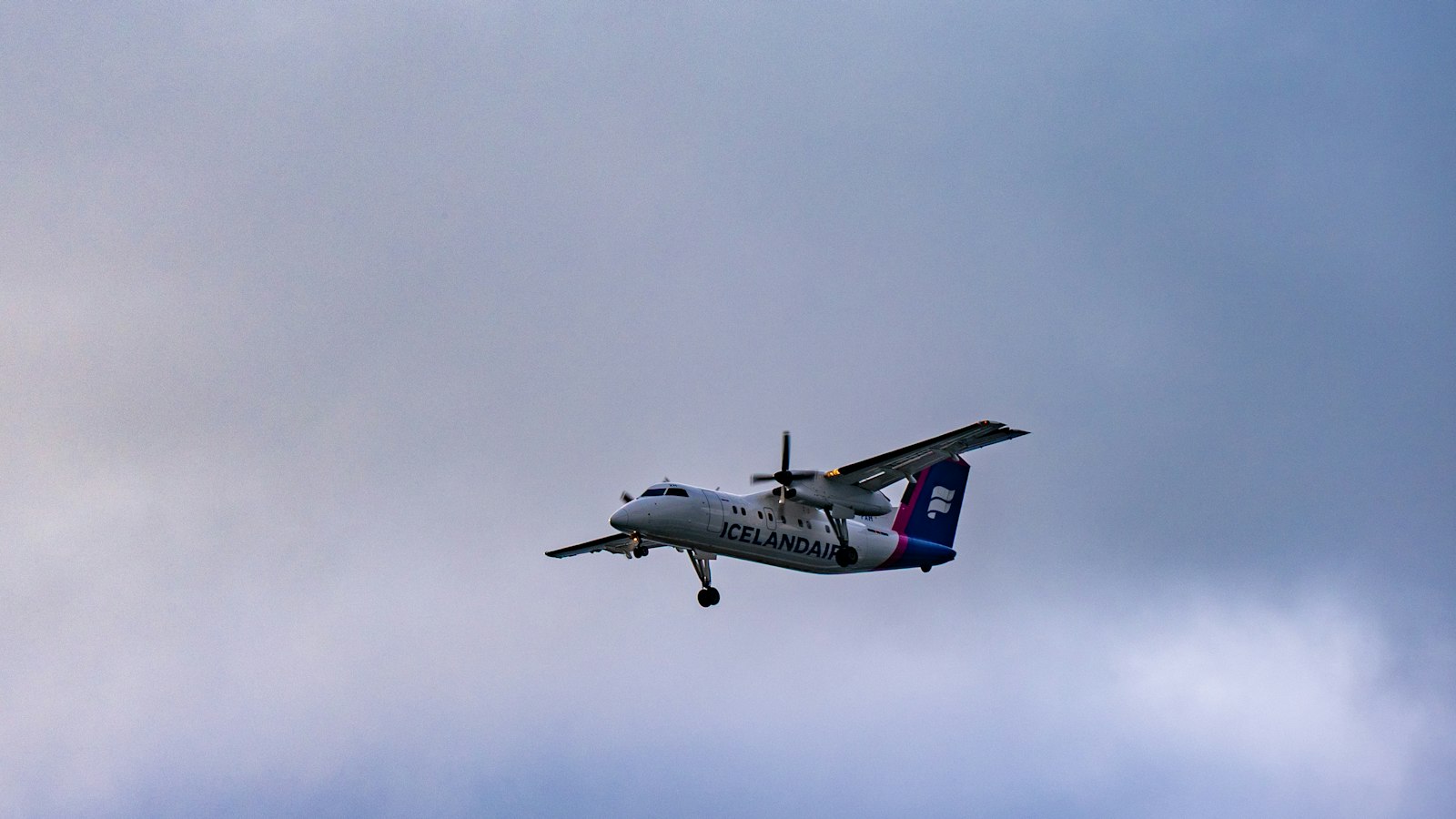
Norlandair is a regional airline with deep roots in Iceland’s aviation history. It began its latest chapter in 2008, but its lineage goes back much further, shaped by a series of mergers and investments centred on northern Iceland.
From local beginnings to polar connections
The story starts in 1974, when aviation professionals in Akureyri, northern Iceland’s primary town outside Reykjavík, acquired a company called North Air. This venture became Norlandair. Just a year later, a partnership with Icelandair enabled the airline to add one of the country’s iconic de Havilland Canada DHC-6 Twin Otters to its fleet. This aircraft made it possible to begin adventurous scheduled and charter flights, not only within Iceland but also to Greenland’s isolated eastern shores.
The company’s structure changed over the years. By 1997, its domestic routes had merged into a single network as Air Iceland. The Twin Otter fleet and its expert maintenance staff remained based at Akureyri, continuing to serve both Iceland and Greenland.
A modern airline with an Arctic mission
In 2008, a group of former Air Iceland personnel and investors purchased the Twin Otter operations from Air Iceland, reviving the Norlandair name. With this transition, Norlandair resumed flights to small towns such as Grímsey, an island on the edge of the Arctic Circle, Vopnafjörður, and Þórshöfn, as well as Greenland’s Nerlerit Inaat airport near Scoresby Sound.
Service to the sparsely populated Westfjords of Iceland also falls within Norlandair’s remit. In 2020, the airline secured contracts to operate essential flights between Reykjavík and places like Bíldudalur and Gjögur, ensuring year-round links to these isolated areas. That same year, Norlandair also secured a similar arrangement on behalf of the Greenlandic government for services to Nerlerit Inaat.
Norlandair’s scheduled flights operate from two main hubs: Akureyri and Reykjavík. Between these bases, the airline serves ten regular destinations, including some seasonal links. Its reach is not limited to scheduled routes; it also provides chartered passenger and medivac flights around Iceland, Greenland, and even to other parts of the Arctic, such as Svalbard.
The airline’s fleet is well suited to challenging arctic conditions. Three Twin Otter aircraft form the backbone of the operation, one of which joined the fleet after being purchased from Air Greenland in 2011. In addition, it flies three Beechcraft B200 King Air planes and a GA8 Airvan, each capable of landing on the short, sometimes unpaved runways typical of the region.
With ownership divided between the Icelandic firm KEA and Air Greenland, Norlandair represents a partnership that crosses icy waters. Its services help sustain the everyday life of isolated communities, keeping the far north within reach.
Sources
- Wikipedia
- Wikipedia (Icelandic) in Icelandic