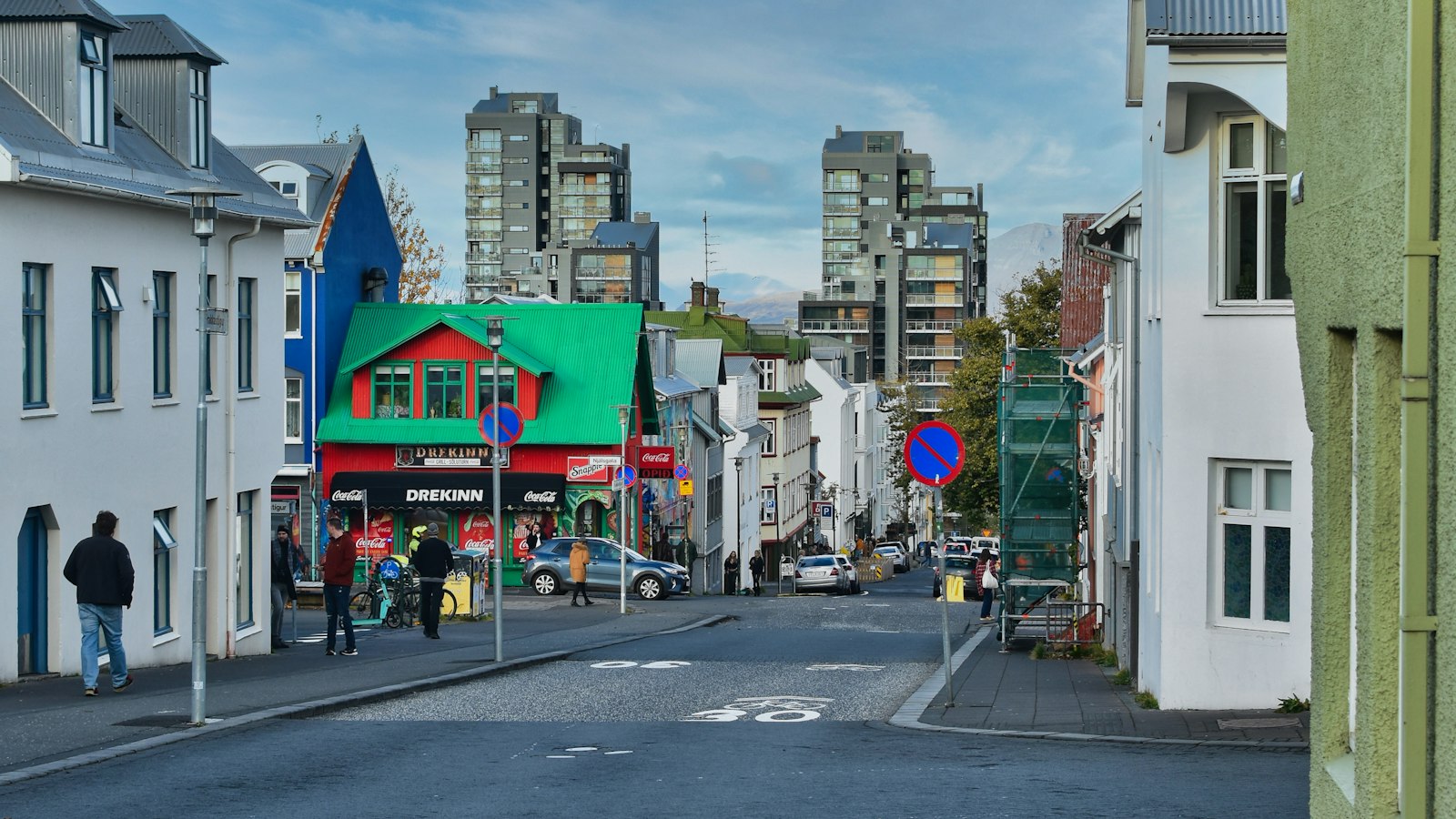
Iceland’s culture stands out among Nordic nations for its depth, resilience and literary tradition. Much of Iceland’s sense of community and identity can be linked to its early writers, whose stories have echoed through centuries, influencing modern life and customs.
Legacies carved in words and turf
Literature is a defining feature of Icelandic society. Stories that began as oral traditions found their way onto vellum from the 12th century, giving the world the Icelandic sagas. These chronicles recount rivalries, explorations, and everyday life, preserving the memory of a people adapting to a stark but beautiful island. Works such as Njáls saga, Egils saga, and tales of Norse voyages west have come to symbolise Iceland’s historical consciousness. Iceland’s pride in writers, from medieval chroniclers like Ari Þorgilsson and Snorri Sturluson, to Nobel laureate Halldór Laxness, reveals how literary achievement remains a pillar of national pride.
Icelandic architecture also reflects adaption and originality. The lack of forests meant settlers used turf and grass to build houses, a practice inherited from longhouses of early Scandinavians. Even today, echoes of these turf-roofed dwellings remain in the rural landscape and in Iceland’s architectural imagination.
Traditions, independence and language
Three core values, independence, equality, and preservation of heritage, run deep through Icelandic society. Surveys from the early 2000s found a vast majority of Icelanders believed that being self-sufficient is essential. This perspective, shaped by centuries of life in isolation, sets the Icelandic mindset apart even among its Nordic neighbours.
Language ties modern Icelanders to their Viking forebears. The national language, Íslenska, or Icelandic, remains close to its Norse roots. Instead of adopting foreign terms, Icelanders favour inventing new words by combining old ones. For example, the modern Icelandic word for computer, tölva, is created from symbols for number and fortune-teller. Such linguistic creativity is one way that Icelandic identity continues to evolve while remaining distinct.
Iceland’s culinary heritage reflects both resourcefulness and honouring tradition. Old-style foods resurface during winter festivals, including smoked lamb, dried fish, and more unusual dishes rooted in seasonal celebrations. Skyr, a dairy food, remains a popular staple, alongside brennivin, a spirit distilled with caraway.
Arts and creativity thrive in Reykjavík, where theatres, galleries and cinemas offer a rich scene. Painting and sculpture have flourished since the 19th century, with artists and associations supporting both classic and new forms. Contemporary musicians like Björk and Sigur Rós bear witness to the country’s global cultural presence, while traditional folk dance groups help keep local customs alive.
A forward-thinking approach to education and equality distinguishes Icelandic daily life. The country’s schools are largely public and powered by a high value placed on literacy. Women often hold leadership roles, and progressive laws promote social inclusion and protection.
Sources
- Wikipedia
- Wikipedia (Icelandic) in Icelandic


