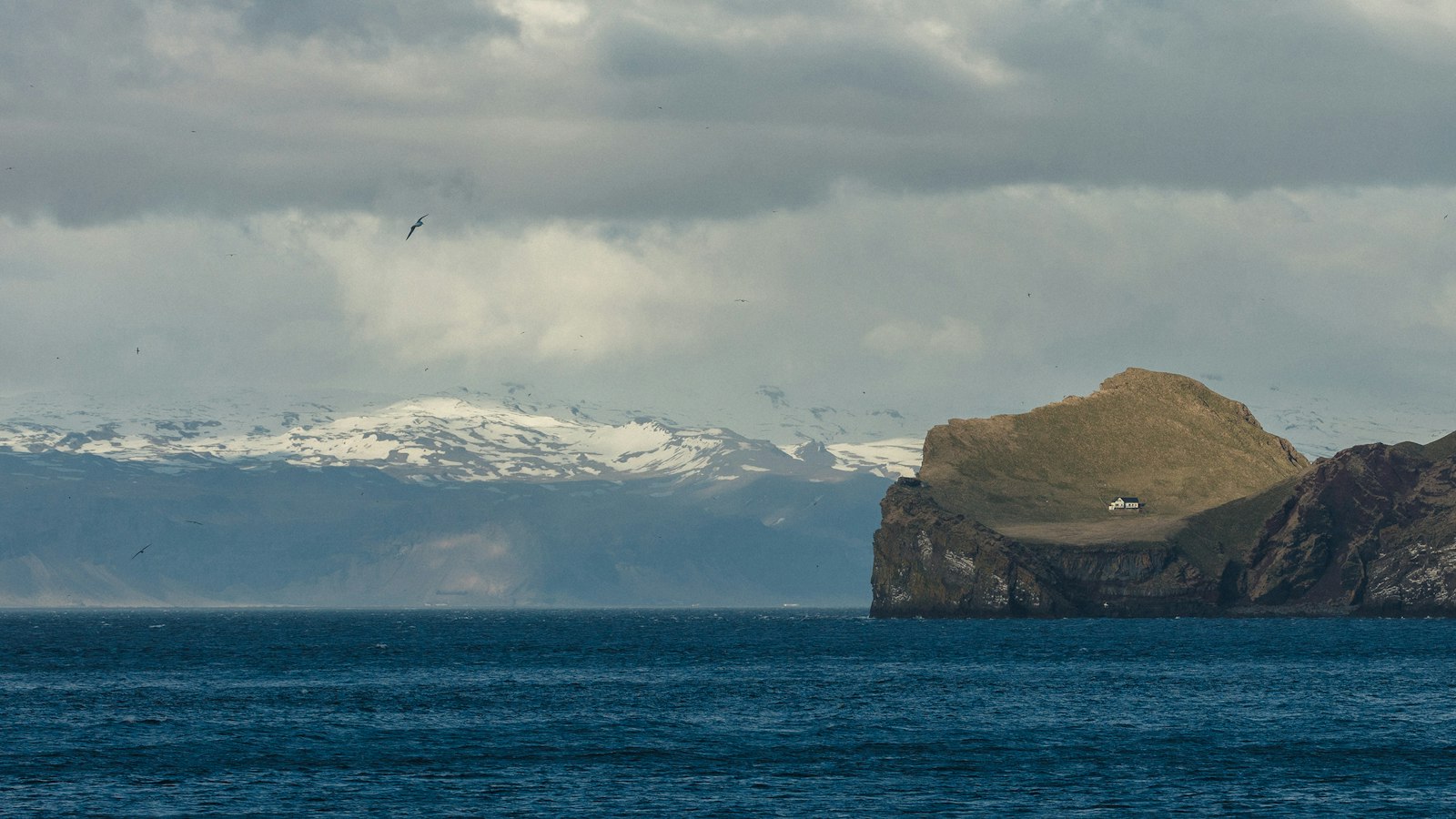
Long before the arrival of Norse settlers, the North Atlantic islands saw visitors drawn by solitude and religious devotion. Among the most intriguing early communities were the Papar, a name derived from the Latin word for “father” or “pope” via Old Irish. These Irish and Scottish monks are traditionally believed to have established hermitic retreats across the Hebrides, Faroe Islands, Northern Isles, and possibly Iceland itself between the sixth and eighth centuries.
Legends and manuscripts from the Icelandic sagas
The most well-known source linking the Papar to Iceland is the Íslendingabók, or Book of the Icelanders, written by Ari Þorgilsson in the early twelfth century. According to Ari, Christian men known as the Papar had settled in Iceland before the Norse arrived and later left, unwilling to remain among those they saw as pagan. The account suggests the Papar left behind Irish books, bells, and crosiers, distinctive religious items indicating a Gaelic Christian origin.
Supporting the saga tradition, the much older Landnámabók (Book of Settlements), likely first compiled in the eleventh century, opens by stating that Irish monks dwelled in Iceland prior to Norse settlement in the year 874. However, no definite archaeological site on Iceland has been unequivocally linked to the Papar. Despite tales of books and religious artefacts left behind, none have surfaced.
Echoes across the North Atlantic
The Papar’s supposed influence endures in Icelandic toponyms such as Papey, an island off the southeast coast, and the Vestmannaeyjar, meaning “islands of the Westmen”, Westmen being a Norse term for people from Ireland and the British Isles. Similar Papar-inspired names appear in the Faroe Islands as well as in Orkney, Shetland, and the Hebrides. For example, Vestmanna in the Faroes comes from “Vestmannahøvn,” the harbour of the Westmen. In both these North Atlantic archipelagos and the Scottish islands, multiple islands carry the names Papey or variants thereof.
Medieval sources occasionally differ in their descriptions, sometimes presenting the Papar as Christian anchorites, other times as mysterious figures distinct from incoming Norse settlers. Whether accounts such as those of Ari Þorgilsson were influenced by earlier writers like the Irish monk Dicuil, who mentioned wanderings of “holy men” to northern lands in the early ninth century, remains debated.
In the Northern Isles, twelfth-century texts mention native Picts and Papar being displaced by Norse expansion. Historians also note the considerable recurrence of Papar-related names in those island landscapes, hinting at the monks’ influence or at least the legacy attributed to them.
Despite the enduring stories, no archaeological excavation on Iceland has supplied evidence for the Papar. The saga traditions stand alone, leaving the question of the monks’ Icelandic chapter shrouded in legend but very much alive in the cultural imagination.
Sources
- Wikipedia
- Wikipedia (Icelandic) in Icelandic


