In the summer of 1627, communities along Iceland’s coastline were struck by a series of attacks now remembered as the Turkish Abductions, or Tyrkjaránið in Icelandic. These were not the work of ethnic Turks, nor even of anyone from modern-day Turkey, despite the name. The term “Turkish” then served in Iceland as a general label for all Muslims of the Mediterranean, who at the time were often subjects of the Ottoman Empire.
The assailants were Barbary pirates from the North African cities of Algiers (Algeirsborg) and Salé on Morocco’s Atlantic coast. Led by the Dutch-born Murat Reis, who had himself been taken by pirates and later became a notorious admiral based in Salé, they sailed north on a mission to seize people and goods from Iceland’s remote shores.
Three raids, hundreds taken
The initial group arrived at Grindavík, a fishing village on the southern Reykjanes Peninsula, on 20 June 1627. After capturing local fishermen and seizing ships, the pirates attempted a daring strike against the fortified site of Bessastaðir but were repelled by local defenders. Their haul from Grindavík included up to 15 Icelanders and several Danish and Dutch sailors, all transported back to Salé and sold into slavery.
A second group of pirates from Algiers struck the East Fjords between 5 and 13 July, attacking isolated farms and the Danish trading post at Djúpivogur. Over 100 Icelanders and Danes were captured, alongside livestock and valuables, before winds pushed the pirates along the south coast. There another ship joined, and the raiders also captured an English fishing vessel.
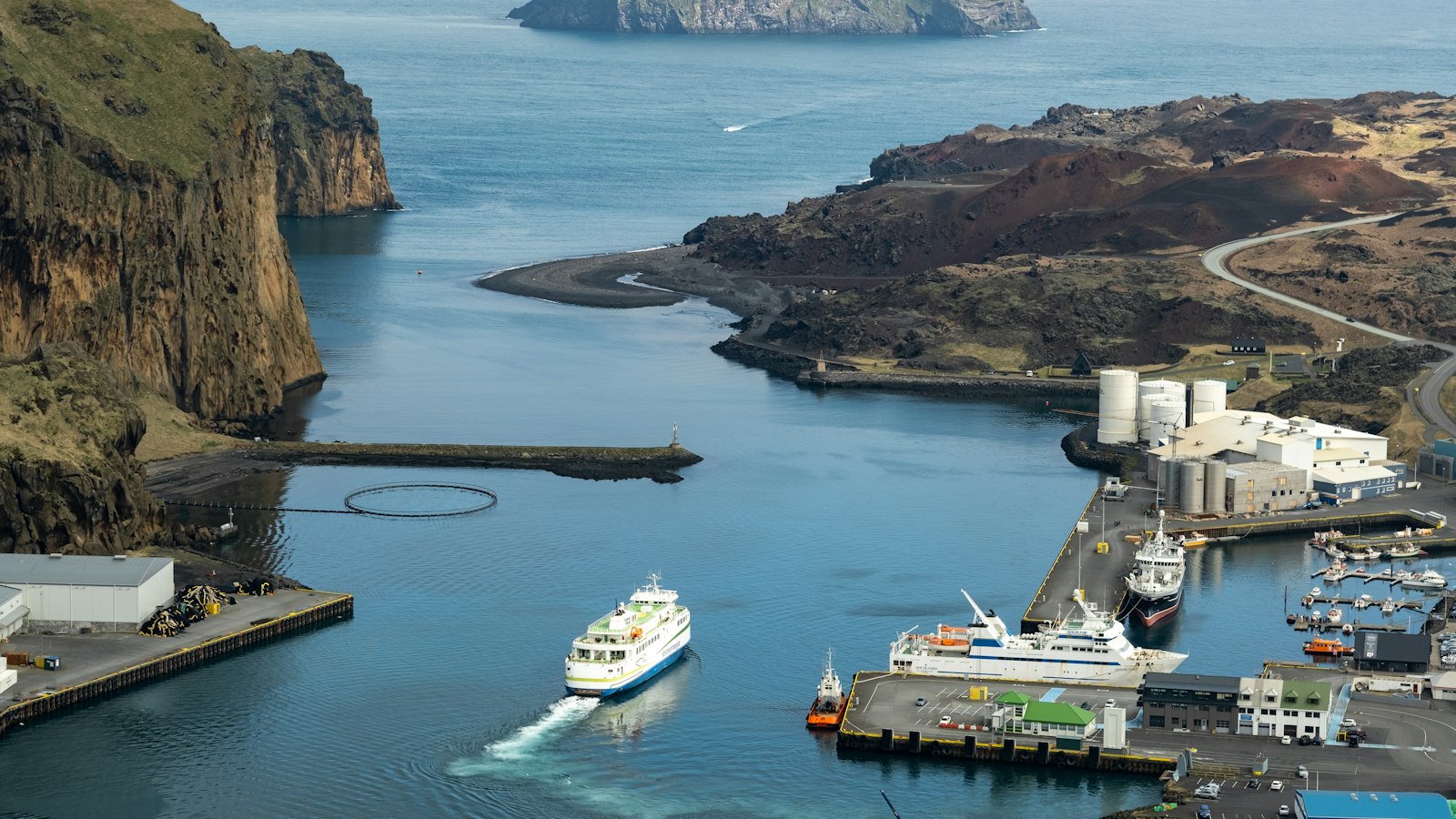
The most devastating of the 1627 attacks came in Vestmannaeyjar, the Westman Islands, beginning 16 July. Over three days, the pirates attacked the small community on Heimaey, Iceland’s largest offshore island, killing 34 people and capturing 234, including residents and local clergy. The pirates destroyed market buildings and the church, taking their human cargo back to Algiers.
Captivity, ransom and memory
The captives were sold in the slave markets of North Africa. Their arrival caused a stir; accounts tell of crowds coming to look at these rare northern Europeans, some of whom, especially children, received charity from the local population. Some captives reported little food and harsh treatment, while others fared somewhat better depending on their owners. Illness took many lives, and conversion to Islam was not uncommon, particularly among the younger or more vulnerable; in 1635, some 70 Icelandic captives were still documented as Christian.
Not all hope of return was lost, but it was slow and uncertain. Ransoms were eventually raised, though occasionally embezzled or misused by intermediaries. Letters from captives describe the bitterness of betrayal, knowing the ransom meant to free them had been diverted to trade goods instead. Overall, about 50 captives made it back to freedom over the next eighteen years, though not all returned to Iceland. Among them was Guðríður Símonardóttir, who later married the poet Hallgrímur Pétursson, and the pastor Ólafur Egilsson, whose travelogue is a major source on the ordeal.
For Iceland, the Turkish Abductions remain a significant historical trauma, a rare armed attack from abroad that resulted in considerable suffering and loss. At the time, the raids were often seen as divine retribution for the nation’s sins, a theme that would echo through sermons and chronicles well into modern times. Today, these events are deeply rooted in cultural memory in Iceland, though they are little known elsewhere.
Sources
- Wikipedia
- Wikipedia (Icelandic) in Icelandic


