The early nineteenth century was a period of seismic political change across Europe and the Americas, as revolutionary and reformist ideas moved from royal courts to the public square. Even distant Iceland, then under Danish rule, briefly found itself swept up in this global wave when a Danish-born adventurer attempted a sudden political upheaval.
Jørgen Jørgensen was born in Copenhagen in 1790, a city that had become a meeting point for Danish and Norwegian reformers following the Enlightenment. The Danish Realm, ruled from Copenhagen, sought to adopt enlightened reforms and avoid violent revolution by enacting measures such as the abolition of serfdom in 1788 and the banning of the transatlantic slave trade by 1803. Norway, officially under Danish power, saw smaller currents of revolutionary sentiment compared to France, yet revolutionary songs such as “Norges Skaal” were suppressed.
A crisis and an opportunity
Jørgensen’s story is bound to the global conflicts of his time. During the Napoleonic Wars, Denmark–Norway lost its fleet after a British assault on Copenhagen in 1807, leaving Iceland suddenly isolated from vital supplies. By this point, a volcanic eruption in 1783 had already killed thousands in Iceland, and the old Danish trade monopoly had recently ended, but supply lines were still frail. Icelandic merchants in Britain shared news of the hardship on the island with Jørgensen, who had been captured by the British navy as captain of a Danish privateer.
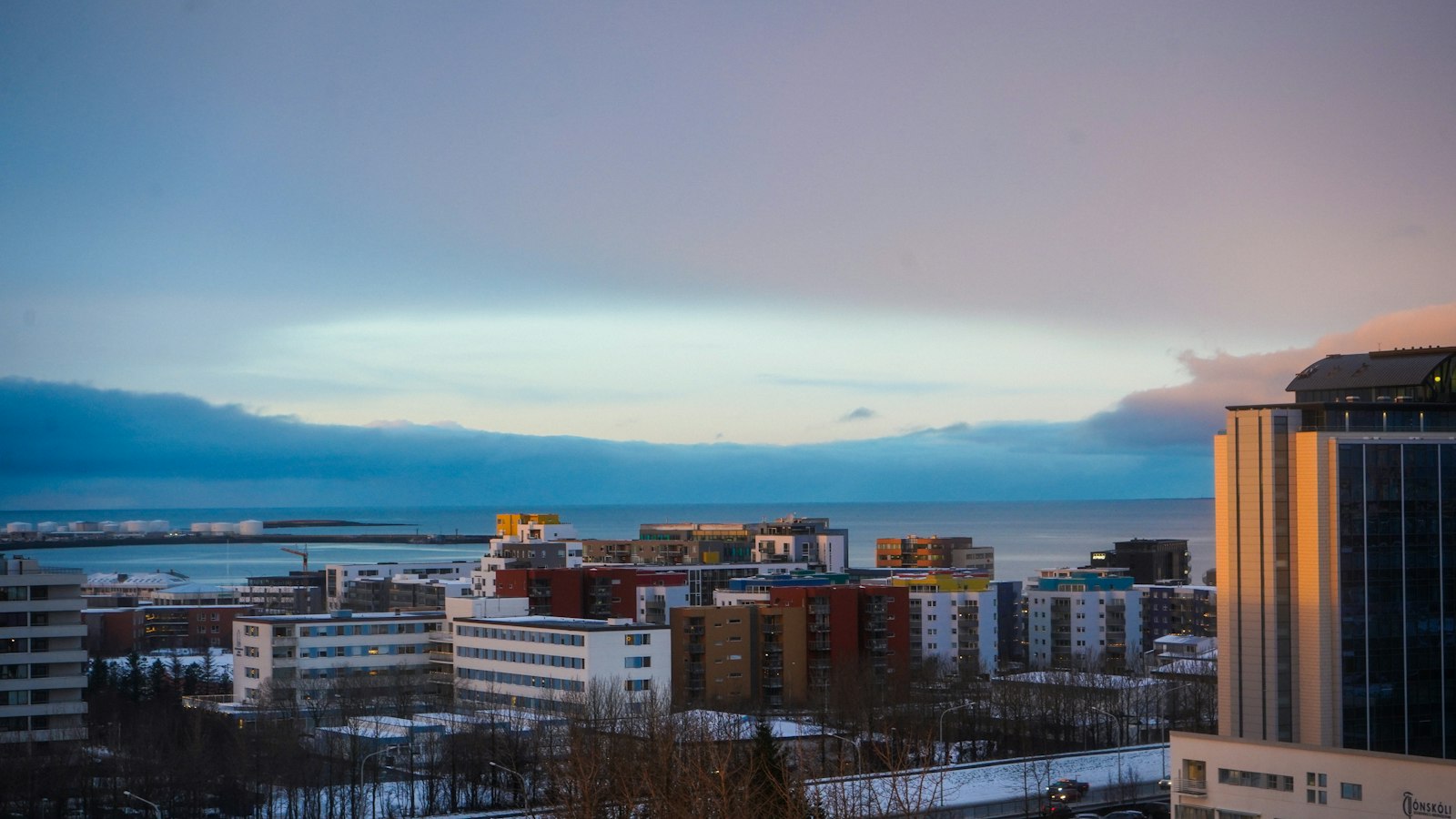
In December 1808, Jørgensen joined British soap merchant Samuel Phelps for an expedition from Liverpool, aiming to supply starving Icelanders and purchase local tallow. Their ship, the Clarence, reached the small port population of Reykjavík, where less than 300 residents had links to the colonial government. Suspicion and official hostilities met the British ship flying the Union Jack, yet Jørgensen succeeded in brokering the delivery of supplies, though he soon returned to Britain. The real drama began with his second expedition to Iceland.
Revolution and response
Governor Frederich Christopher Trampe, the top Danish official, rejected trade deals arranged during his absence. In 1809, after a tense standoff, Jørgensen and his British associates forcibly detained Trampe, taking advantage of his attendance at church. Jørgensen declared himself ‘Protector of Iceland’, dissolving the existing administration and attempting to build a society closer to Enlightenment ideals, inspired by what he perceived in revolutionary America and France.
Under Jørgensen’s brief two-month rule, he overthrew established monopolies and sold essential grain at lower prices, proclaiming new rights backed by severe laws, any resistance from Danish representatives would meet with capital punishment. Despite this severity, accounts record Icelanders assisting with his efforts, some even joining his army. A makeshift fort named Fort Phelps marked this unusual regime.
The experiment ended on 22 August 1809 with the arrival of the British navy, which seized Jørgensen for breaking the conditions of his earlier release as a British-held prisoner of war. The Danish governors resumed power, and Jørgensen, after a hearing in England, would eventually journey to Tasmania, having left an extraordinary episode in Icelandic history.
Sources
- Wikipedia
- Wikipedia (Icelandic) in Icelandic


