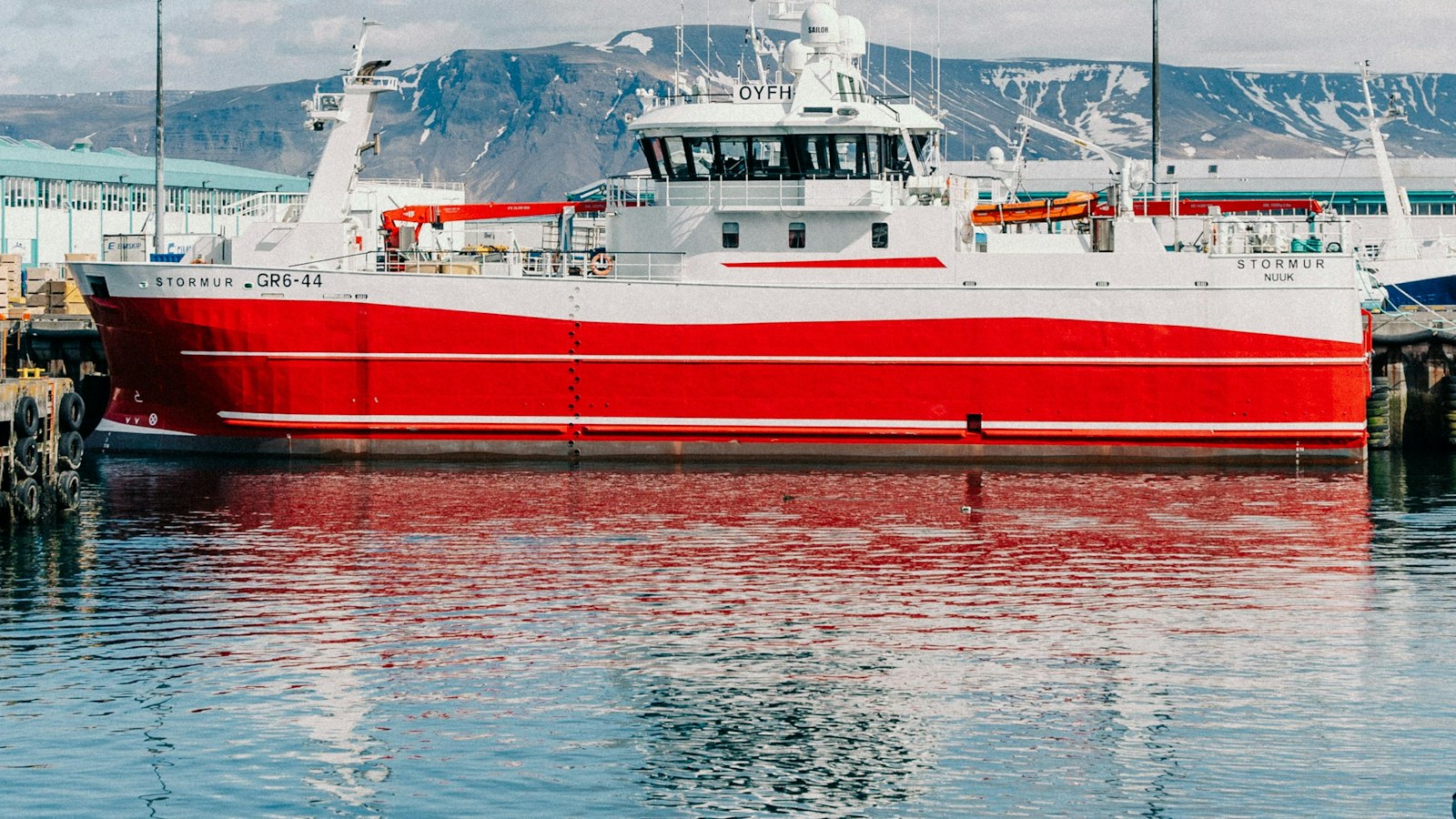
Brim hf., with a base in Reykjavík, stands as one of Iceland’s key fishing and fish processing companies. The company’s foundation can be traced back to 1985, when two Reykjavík-based fishing enterprises merged. Further growth came with the acquisition of an Akranes company in 2004, and the name Brim was officially adopted in 2019, replacing the earlier HB Grandi.
Operations across Iceland’s coasts
At the edge of Reykjavík’s harbour, Brim combines its corporate headquarters with a substantial processing facility. Here, over 170 employees transform saithe and redfish into fresh and frozen products, shipping their output both by air and ship. The company’s organisational structure breaks down into finance, marketing, groundfish, and pelagic fish departments, all working from these offices.
Beyond Reykjavík, Brim has expanded into two other coastal towns. Akranes hosts a groundfish processing plant where cod is the primary catch. Products include fillets, loins, and tails, and the workforce there numbered 85 in 2013. Vopnafjörður, on the northeast shore, offers a hub for pelagic fish processing. The facility there can freeze up to 400 tons of capelin, herring, and mackerel per day, serving as an important seasonal workplace for around 65 people.
A diverse and modern fleet
Brim maintains an active fishing presence at sea, with a fleet composed of freezing vessels, wetfish trawlers, and pelagic boats. The wetfish trawlers ensure a steady supply of cod, saithe, and redfish for the onshore plants. Their pelagic ships, named Víkingur, Lundey, and Venus, catch large quantities of capelin, mackerel, herring, and blue whiting. Onboard processing on the freezer vessels allows for catch to be handled quickly, ensuring quality and freshness from the unpolluted waters surrounding Iceland.
By 2013 the company reported a catch of 19,000 tons from wetfish trawlers and 33,500 tons from freezer trawlers, plus over 135,000 tons landed from pelagic fishing. Brim’s fishmeal plants, based in Vopnafjörður and Akranes, process both pelagic and whitefish by-products into feed and other certified products. The Vopnafjörður site is notable for using exclusively renewable energy.
Global reach and responsible practices
Brim’s influence is not only domestic. The company markets its seafood internationally and has invested in firms abroad, such as a Danish seafood business in 2022. Its dried fish division, located in Akranes, exports mostly cod-based products to markets like Nigeria where dried fish is a staple food.
Sustainability and responsible fishing practices are deeply embedded in Brim’s operations. Membership in Iceland Responsible Fisheries signals a commitment to sustainable management of local stocks, with several fish species certified for responsible sourcing. Both of Brim’s fishmeal plants carry FEMAS certification, and the company’s chain of custody for MSC-certified species allows consumers to trace the provenance of cod, haddock, and saithe caught in Icelandic waters.
Sources
- Wikipedia
- Wikipedia (Icelandic) in Icelandic


