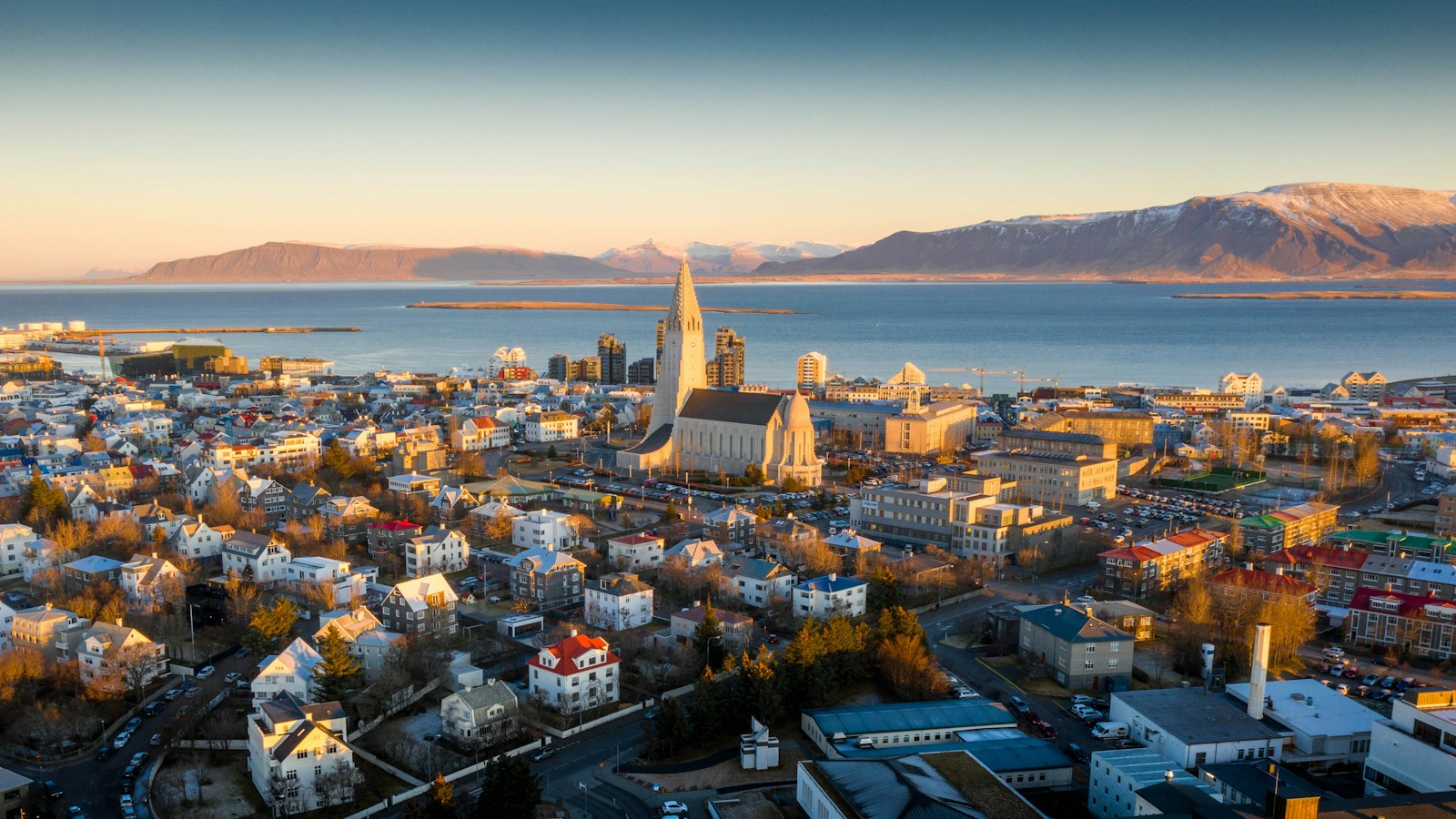
Iceland, known locally as Ísland, is an island nation in the North Atlantic Ocean defined by its location and distinctive geology. It lies between continental Europe and Greenland and is considered part of Northern Europe and the wider Nordic region. Its isolation and natural environment have contributed to a society with characteristics not often found elsewhere on the continent.
A nation on the edge of two continents
Though part of the European sphere, Iceland is also closely associated with the North Atlantic and, by extension, some of the Arctic’s influences. The country covers about 103,000 square kilometres (roughly 40,000 square miles), making it the 107th largest nation globally. It has no land borders, but an extensive coastline of nearly 5,000 kilometres puts much of its life and activity near the sea.
The geography of Iceland is as dramatic as its history. Much of the island’s interior comprises a plateau recognised for sand fields, rugged mountains and sprawling glaciers. Glacial rivers journey through the lowland areas before joining the sea, carving out valleys and feeding into fjords. Several geographic features stand out, such as the nation’s highest point, Hvannadalshnúkur, which reaches 2,110 metres (6,923 feet), while the country’s lowest natural point is at sea level in the North Atlantic.
People and politics in a volcanic setting
Despite its sweeping landscapes, Iceland has a small population; about 329,000 inhabitants as of 2015, making it the least populous of the Nordic countries. Most Icelanders live along the coastline, with the capital, Reykjavík, serving as the political and cultural heart of the country. The national parliament, Alþingi, divides the country into six electoral constituencies and Reykjavík itself is split into two. There are also counties and municipalities managing local affairs.
Iceland’s government is a unitary parliamentary representative democratic republic. The head of state is the President, while the Prime Minister leads the executive branch. The parliament, Alþingi, is recognised for its long heritage. Iceland’s society values democratic traditions and openness, reflected in its legal system and civic life, with attention to issues ranging from environmental policy to social matters.
The landscape has significant influence on daily life and the country’s infrastructure. Volcanic and geothermal activity has defined both the natural environment and the development of renewable energy. Rivers and waterfalls, created by glacial melt, are harnessed for hydroelectric power. The climate, though shaped by the Gulf Stream, is milder than other locations of similar latitude, supporting flora such as crowberry and arctic willow, and a variety of birds and mammals adapted to these conditions.
Icelandic language and culture reflect the country’s historical roots. Literature, music and art occupy prominent places. From turf houses to poetry and contemporary media, traditions and innovation are both present in Icelanders’ day-to-day lives.


