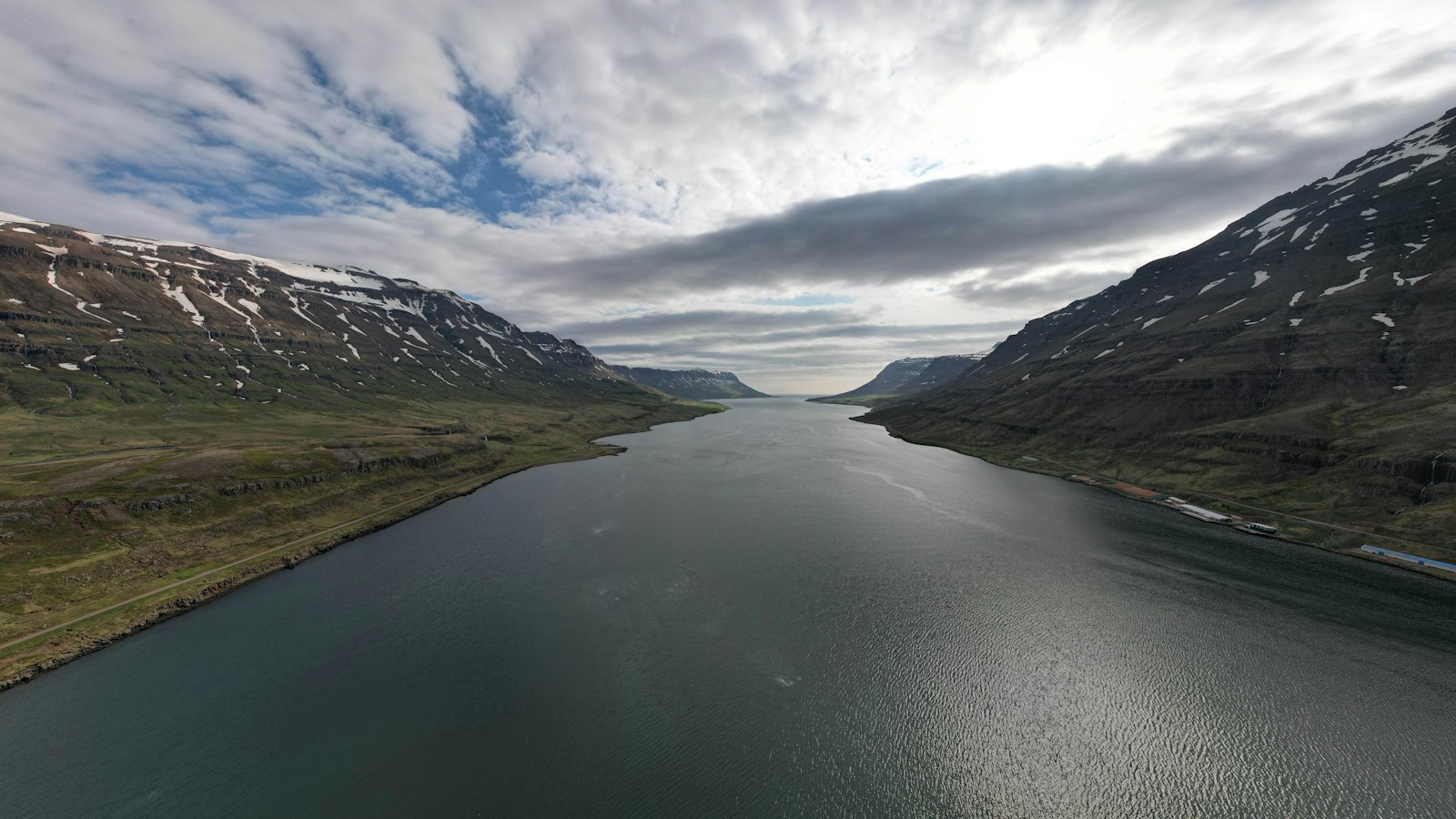
East of the town of Seyðisfjörður on Iceland’s rugged east coast, the Skálanes Nature and Heritage Centre occupies its own peninsula rising from the sea. At 1250 hectares, this reserve brings together a unique combination of research, environmental restoration and heritage preservation.
A landscape rich in nature and history
The terrain at Skálanes is notably varied. To the south, the land reaches a skyline at 945 metres before descending to the sea along the northern and eastern edges. Sheer cliffs up to 600 metres face the ocean, while wetlands, scree slopes, meadows and dwarf woodlands create diverse habitats. These landscapes support at least 150 plant species and 47 species of nesting and migratory birds, from ground-nesters to colonies of Arctic terns and kittiwakes. Icelandic reindeer herds and arctic foxes are among the wild mammals found roaming the reserve.
The area’s human story stretches back centuries. Over 80 archaeological sites have been recorded, including ruins and boundaries that open windows onto East Iceland’s changing way of life. Building with turf remains a feature at Skálanes: staff use traditional methods to construct walls that echo those seen across the Icelandic countryside, stacking overlapping layers of sod and soil to create strong, weather-resistant boundaries.
A living platform for research and conservation
Founded as an independent, non-profit research station, Skálanes serves as an experimental platform for both scientific and social exploration. It is part of INTERACT, a pan-Arctic network advancing terrestrial research and monitoring. Students and academics from institutions such as the University of Glasgow, Wellesley College, and Liverpool John Moores University undertake studies in fields like ecology, biology and archaeology. Projects range from mapping the reserve’s archaeological sites and monitoring biodiversity, to investigating the spread of non-native Alaskan lupin (Lupinus nootkatensis) and experimenting with sustainable agricultural techniques.
Long-term conservation work at Skálanes involves ambitious reforestation, with 111 hectares designated for planting native birch, rowan and willow. Staff and volunteers monitor the success of different planting methods, as well as the impact of the growing lupin population on indigenous flora. In addition to ecological surveys, path-building and stone wall construction help both manage visitors and protect the land from erosion.
Daily life at Skálanes continues to blend tradition, research and innovation. Sustainable farming practices, gardens and animal husbandry have been introduced, further anchoring the centre in Icelandic rural heritage while looking towards new models of living on the land. Collaborative excursions, guided walks and educational projects extend the centre’s work beyond the research community, sharing East Iceland’s distinctive natural and cultural legacies.


