Nestled in the North Atlantic, Iceland has shaped a unique economic story marked by periods of innovation, volatility and recovery. The country’s economic journey, from barter in the Middle Ages to one of the highest living standards today, reflects the adaptability of a small island nation with limited natural resources but a wealth of renewable energy.
Historic tides: from barter to the “Nordic Tiger”
For centuries, economic exchange in Iceland was built on barter, and only later did fishing rise as a central force, especially after the 1880s. By the dawn of the twentieth century, Iceland’s gross domestic product per capita trailed among Western Europe’s lowest, but the Second World War marked a dramatic shift. Wartime occupations by Britain and the United States injected significant capital, while post-war reconstruction fuelled further growth, partly supported by Iceland receiving the highest per-capita allotment from the Marshall Plan between 1948 and 1951.
The latter part of the twentieth century saw broad market reforms and privatization, including the sale of state-owned banks and telecoms, alongside reduced corporate and inheritance taxes. These shifts brought strong economic growth during the 1990s and spread the popular label “Nordic Tiger.” Despite prosperity, the economy remained prone to oscillation, punctuated by inflation and frequent financial crises, with twenty major crashes recorded since 1875.
Crisis, recovery and global standing
A wave of risky lending and insufficient regulatory oversight hit hard in 2008, resulting in a banking collapse and a sharp fall in GDP. The central bank responded with drastic interest rate increases, and emergency help was needed from the International Monetary Fund and European partners. Rather than enforcing harsh austerity, the recovery plan allowed Iceland to maintain aspects of its extensive welfare model and public deficits, aiming to soften social impacts. By 2015, the country had repaid its international loans and growth returned strongly, helped by a tourism boom starting in 2010.
Today Iceland combines market freedoms and government intervention, but shows lower public consumption than its Nordic peers. In 2025, Iceland ranked fifth globally in nominal GDP per capita at US$91,000, and topped the Human Development Index. Its economic structure also features high youth engagement, with one of the lowest rates of young people neither working nor studying among OECD countries.
Renewable energy and export strengths
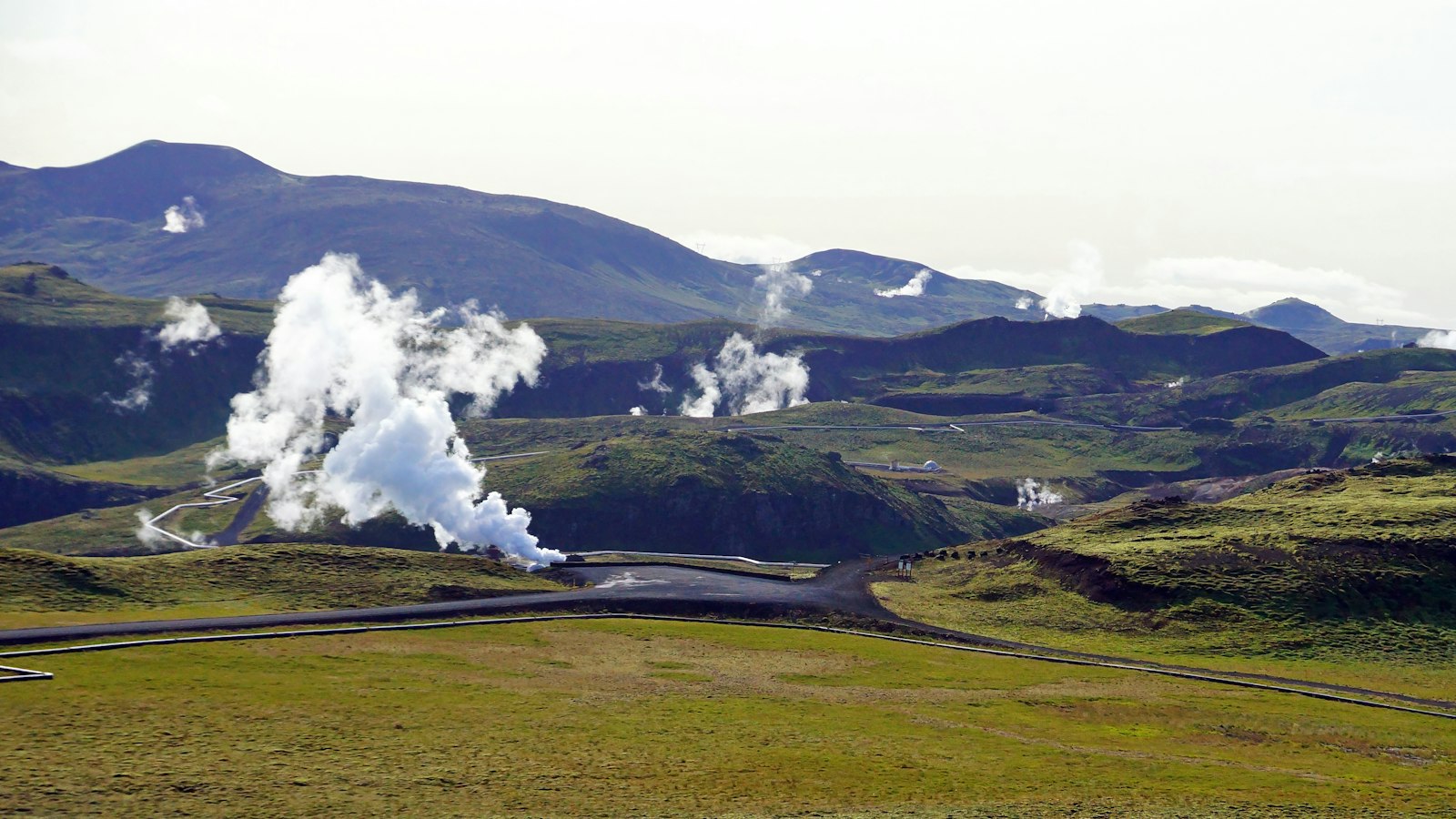
The landscape shapes Iceland’s options. Only a fraction of land is arable, but close to 100% of electricity comes from domestic renewables, mainly geothermal and hydropower. The Kárahnjúkar Hydropower Plant, north of Vatnajökull, is the largest among several major projects powering both homes and export industries. Iceland leads the world in per-capita electricity production.
Power-intensive industries, especially aluminium, now account for a substantial share of exports. The three major aluminium smelters produce over 850,000 metric tons a year, placing Iceland among the world’s top producers. Although formerly reliant on fishing, in 2017 tourism made up over 12% of GDP and directly employed tens of thousands, showing how the economy adapts to global demand and currency shifts.
Sources
- Wikipedia
- Wikipedia (Icelandic) in Icelandic


