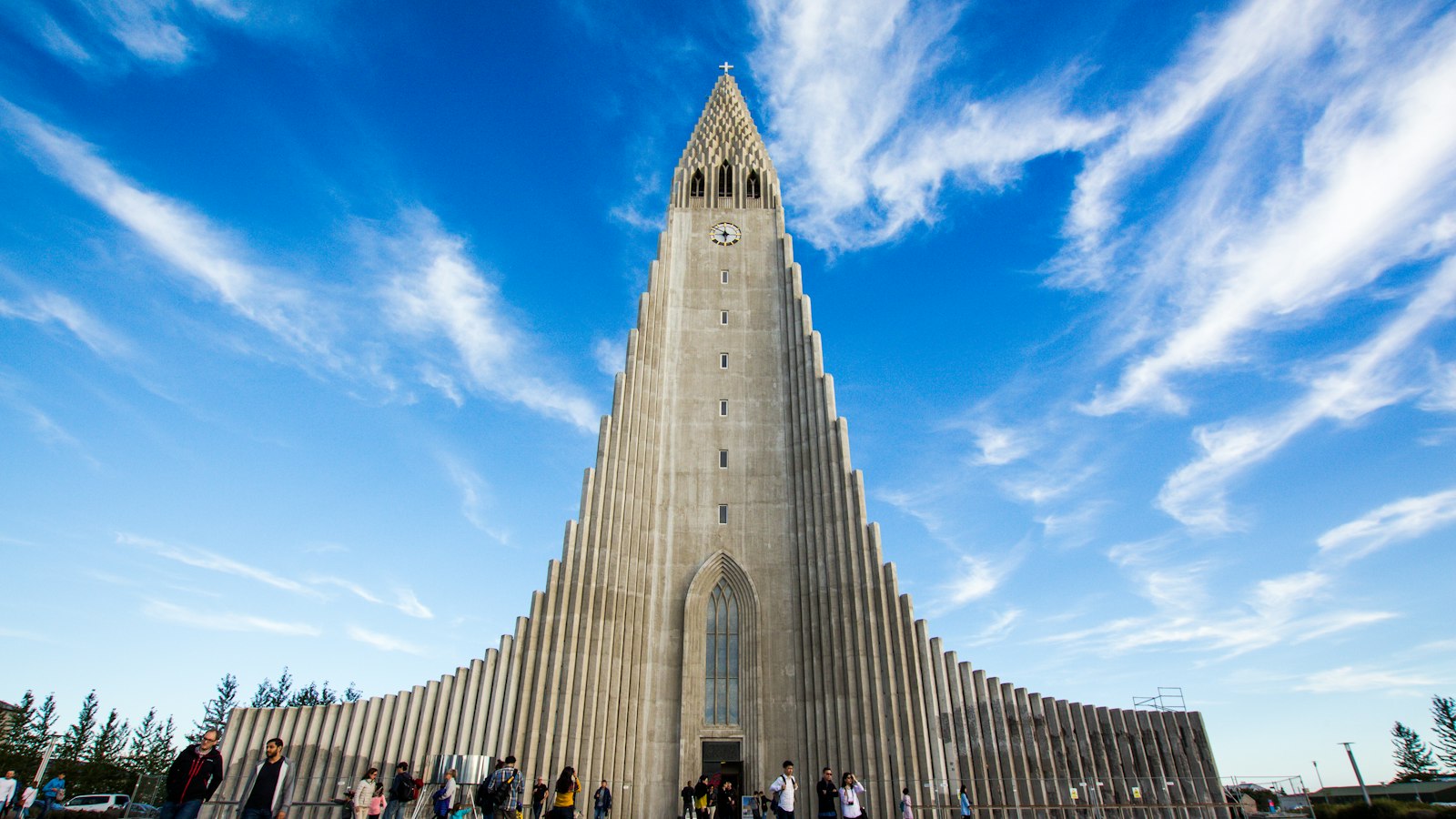
Guðjón Samúelsson (1887–1950) remains a defining presence in Icelandic architecture. Appointed as the nation’s State Architect in 1920, he was the first in the country to receive formal training in the field. Over three decades, his vision profoundly influenced not only individual landmarks but also the wider landscapes of towns and cities as Iceland moved from rural tradition toward urban modernity.
Defining Icelandic identity through design
Samúelsson’s portfolio spans some of the best-known buildings in Iceland. In Reykjavík, he was responsible for the grand main building at the University of Iceland, the National Theatre, and part of the scenic city layout itself. In his approach to planning, he introduced the novel concept of separating industrial and residential zones, an idea rare for Iceland at the time. His commitment went beyond aesthetics; he was actively involved in committees dedicated to urban planning during the nation’s key period of transformation.
A hallmark of his career was his drive to create a distinctively Icelandic architectural style. In a land marked by geological drama, Samúelsson found inspiration in its basalt cliffs and volcanic columns. This influence is especially evident in the design of Hallgrímskirkja, Reykjavík’s iconic church, whose façade echoes the patterned basalt formations found at places like Svartifoss waterfall. Blending natural forms with modern construction, he left a blueprint for Icelandic architectural identity.
Landmarks and legacy
Samúelsson’s work extends far beyond the capital. He designed Akureyri’s prominent church and contributed to schoolhouses such as Héraðsskólinn at Laugarvatn, choosing locations that harmonised with Iceland’s scenery and tapped into local geothermal resources. In rural areas, he sometimes referenced turf houses, the sod-roofed dwellings long used in Iceland, but ultimately shifted toward more practical building types as traditional styles became less compatible with modern requirements.
He was also behind many buildings vital to Icelandic communal life. These include Reykjavíkurapótek, the country’s first large building, public swimming pools like Sundhöllin, Landspítalinn hospital, Hótel Borg, and several schools and health facilities scattered across the island. The Landakot Cathedral, known formally as the Basilica of Christ the King, stands as a testament to his ability to address both religious and civic projects.
His influence did not fade after his death. Church architecture across Iceland often follows his lead, merging elements borrowed from the landscape with modern design. Decades later, Guðjón Samúelsson’s combination of innovation and respect for Icelandic nature is considered foundational in the country’s architectural heritage. A retrospective exhibition marking 100 years since his graduation was held from 2019 to 2020, underlining the lasting appreciation for his work.
Sources
- Wikipedia
- Wikipedia (Icelandic) in Icelandic


