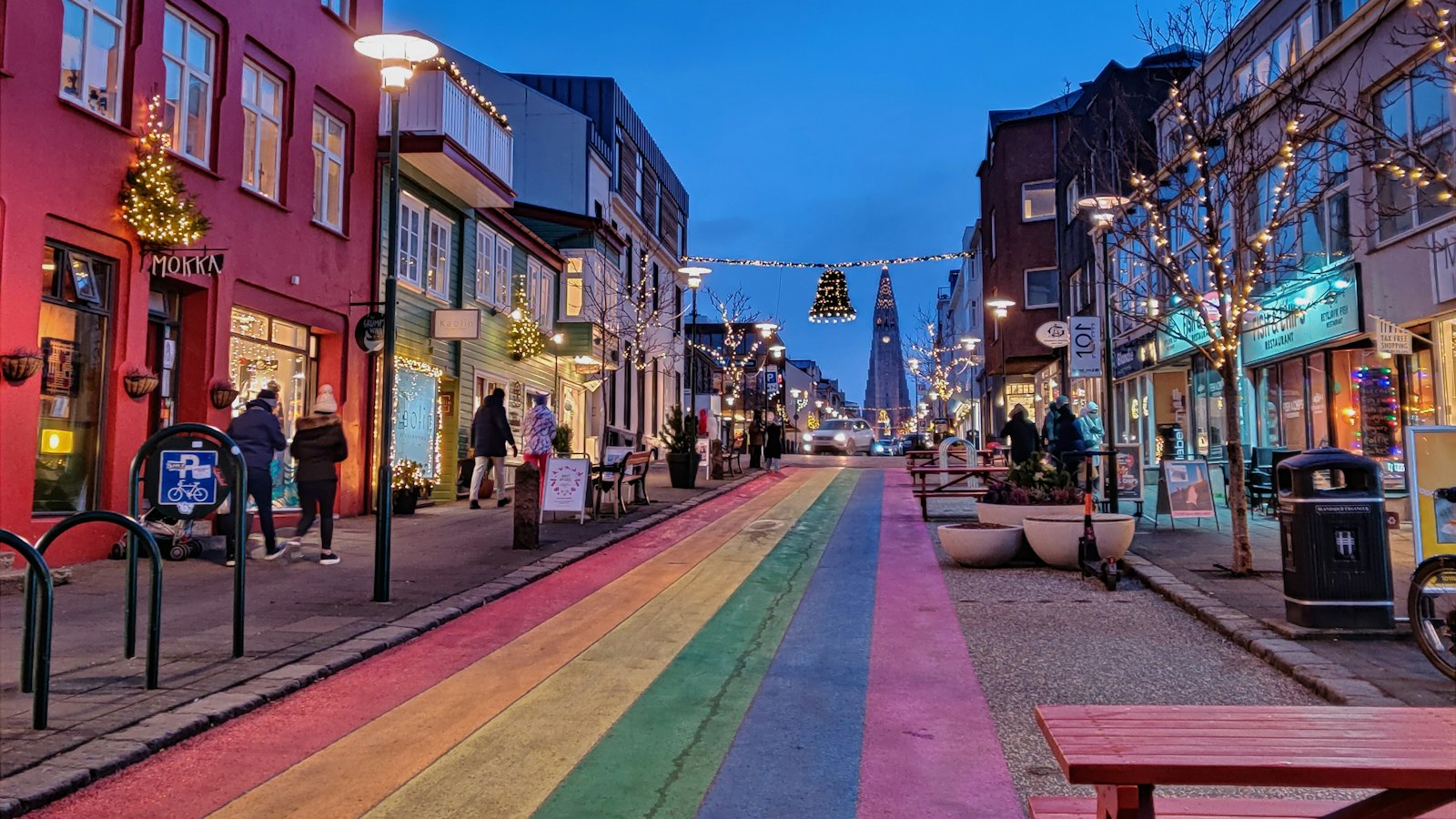
Iceland’s journey toward LGBTQ inclusion stands apart from other Nordic countries, not least because, for a long time, the population was small and scattered. Rural living and an agrarian lifestyle meant that LGBTQ Islanders were less visible, with few opportunities to form communities or gain public attention before the mid-20th century.
Visibility emerges in the late 20th century
The landscape began to change in the 1970s. In 1975, Hörður Torfason, then a well-known musician, became the first public figure in Iceland to come out as gay. His openness marked a turning point but also came at significant personal risk, forcing him to leave the country temporarily.
Building on this moment, Torfason and others founded Samtökin ’78, the National Queer Organization of Iceland, in 1978. In its early years, the group faced significant opposition but persisted, publishing the country’s first queer magazine, ‘Out From Hiding,’ in 1982. Throughout the 1980s, the arrival of HIV and early public discussions about lesbian couples further shifted the conversation, though not without challenges.
Laws, pride, and political milestones
Legal recognition for same-sex couples began in the 1990s. Parliament repealed the old criminalization law in 1940, but it wasn’t until 1996 that registered partnerships became available. At the same time, Iceland’s laws expanded to protect citizens from discrimination based on sexual orientation, ensuring equal access to goods and services and safeguarding against public abuse or threats.
Parades and celebrations also grew in visibility, starting with a handful of marchers in Reykjavík in the early 1990s and growing each year. By the end of the century, thousands gathered for gatherings organized by Samtökin ’78. Change continued: adoption rights were extended in 2006, and the group began to include bisexual and transgender Icelanders in 2007, the same year Trans Iceland was established.
A historic milestone arrived with Jóhanna Sigurðardóttir, who became the world’s first openly gay head of government when she assumed the role of Prime Minister in 2009. In 2010, Parliament unanimously approved same-sex marriage, and Sigurðardóttir married her partner Jónína Leósdóttir as soon as the law came into effect.
Religious institutions also adapted, with the Church of Iceland welcoming same-sex couples for marriage ceremonies in 2015. Other progressive legislation followed, including comprehensive legal changes to gender identity in 2012 and 2019. These reforms allow trans and nonbinary people greater control over legal gender recognition, including a third (‘X’) option on official documents, and protections for intersex children’s bodily autonomy.
Most recently, in 2023 lawmakers unanimously agreed on banning conversion therapy, further affirming Iceland’s position as a global leader in LGBTQ rights.


