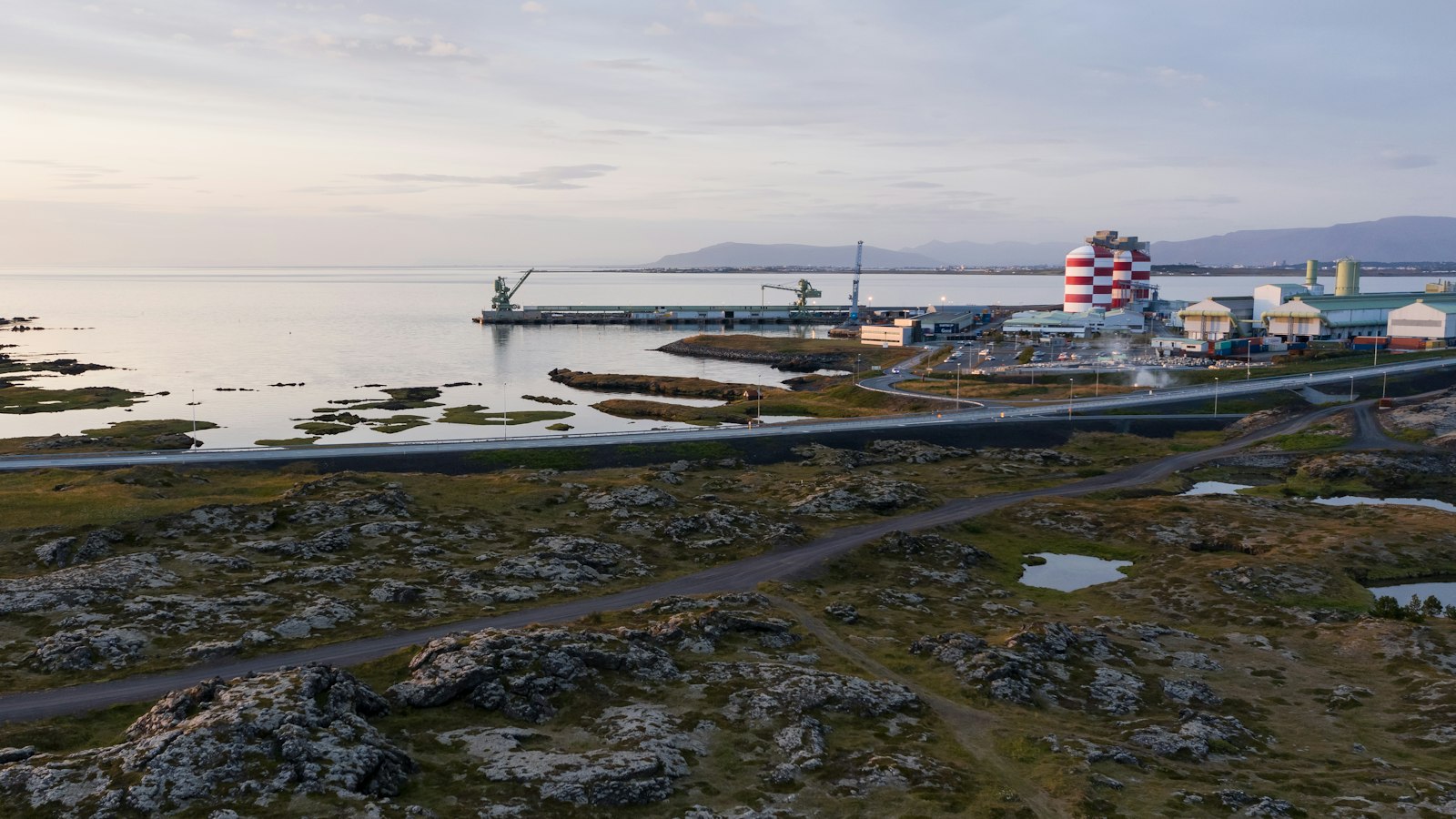
Between two rivers in northern Iceland lay the historic municipality of Viðvíkurhreppur. This rural administrative area was defined by its location between Héraðsvötn and Hjaltadalsá in Skagafjörður County. Its name referenced the church site of Viðvík, a central point for the surrounding farms and settlements.
Small councils and close-knit governance
For generations, local affairs in Viðvíkurhreppur were managed by an elected council. The structure, known as hreppur in Icelandic, was a central part of rural life. Council members were often pillars of the farming community, gathering to discuss issues ranging from land use to social welfare.
The leadership of the municipality changed hands frequently, with more than twenty different individuals serving as chair from 1874 to 1998. Names such as Björn Pálmason, Séra Zophonías Halldórsson, and Gunnlaugur Björnsson shaped the district’s public life from various farmsteads including Ásgeirsbrekka, Viðvík, and Brimnes. These council chairs often represented not only their home but the collective interests of neighbouring farms.
From independence to unification
The last election for the local committee took place in May 1994, with five residents chosen to lead until the end of the municipality. Among them were Brynleifur Siglaugsson and Haraldur Þór Jóhannsson. Just four years later, a significant change arrived: on June 6, 1998, Viðvíkurhreppur joined ten neighbouring municipalities to form the new administrative unit of Skagafjörður.
This merger brought together communities such as Sauðárkrókur, Fljótahreppur, Seyluhreppur and others, aiming to streamline local administration in a changing Icelandic countryside. The consolidation ended more than a century of Viðvíkurhreppur’s independent status, reflecting broader trends across the country as rural populations shifted and local governments modernised.
Today, while the old municipal names may have faded from official use, the legacy of places like Viðvíkurhreppur remains deeply rooted in the collective memory of Skagafjörður’s residents. Each former chairperson’s name and home stand as reminders of a period when local decisions were discussed over farm tables and within churchyards between two rivers.
Sources
- Wikipedia
- Wikipedia (Icelandic) in Icelandic


