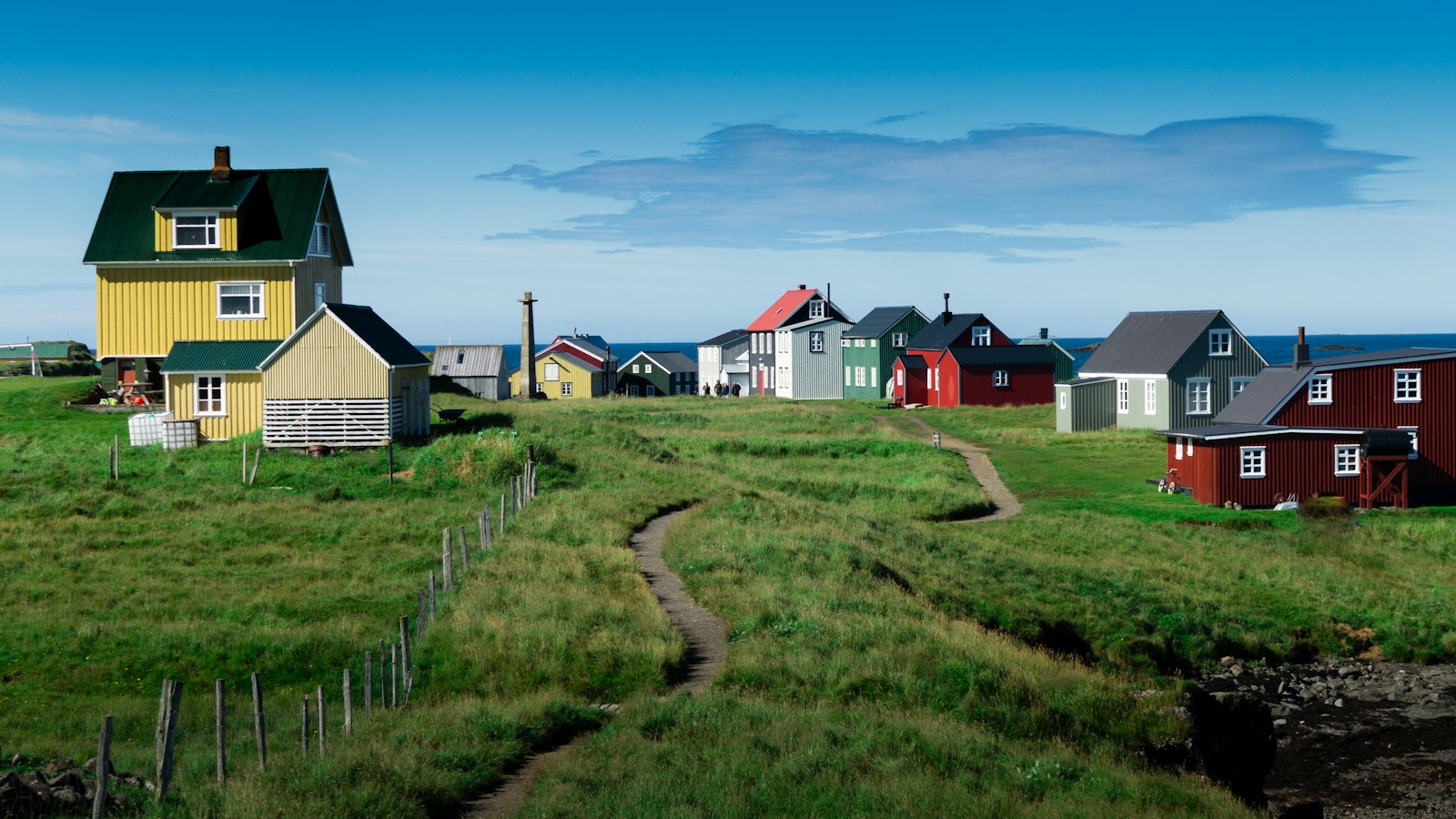
Tucked into the southwest of Iceland, within the municipality of Grímsnes- og Grafningshreppur, Sólheimar stands as one of the country’s best-known eco-communities. With a population of around 100, the village is notable for uniting people with varied backgrounds and abilities, shaping a unique Icelandic approach to community living and sustainable practices.
A vision built on inclusion and nature
Sólheimar was founded in July 1930 by Sesselja Sigmundsdóttir, a woman inspired both by the natural environment and ideas from European thinkers like Rudolf Steiner. Her goal was to create a self-reliant community where children with and without disabilities could live and learn side by side, a striking contrast to prevailing opinions of the time. Shortly after its founding, the residents began in tents, and only a year later, children with developmental disabilities began to arrive. Within two more years, the first purpose-built residence for these children was completed, with support from Iceland’s parliament.
As Sólheimar developed, it embraced organic gardening, becoming a trailblazer in the Nordic countries. The daily rhythms of the village revolve around greenhouses, woodland cultivation, tree collections, and producing food such as eggs, all grown with certified organic methods. The use of geothermal energy, as well as thoughtful recycling practices, underlines the community’s enduring environmental commitment.
Reverse integration and community life
Central to Sólheimar’s philosophy is the idea that people without disabilities adapt to those with special needs, ensuring everyone is at the core of village life. This approach, sometimes described as reverse integration, places inclusion above convention. Residents work together in everything from forestry to artisanal workshops producing ceramics, candles, and textiles. Artistic expression and healthy, plant-focused food are as much a part of Sólheimar today as they were in its founding.
Among the village’s spaces lies Sesseljuhús, a turf-roofed building constructed to commemorate Sesselja’s legacy and designed with environmental sustainability firmly in mind. This centre provides a venue for educational events, public gatherings, and collaboration with local and international organisations on environmental issues. Communal settings for film screenings or concerts further foster the sense of togetherness that has characterised Sólheimar for nearly a century.
Despite initial resistance and scepticism from wider society, Sólheimar’s approach has become a living model of community inclusion, ecological focus, and social innovation in modern Iceland.
Sources
- Wikipedia
- Wikipedia (Icelandic) in Icelandic


