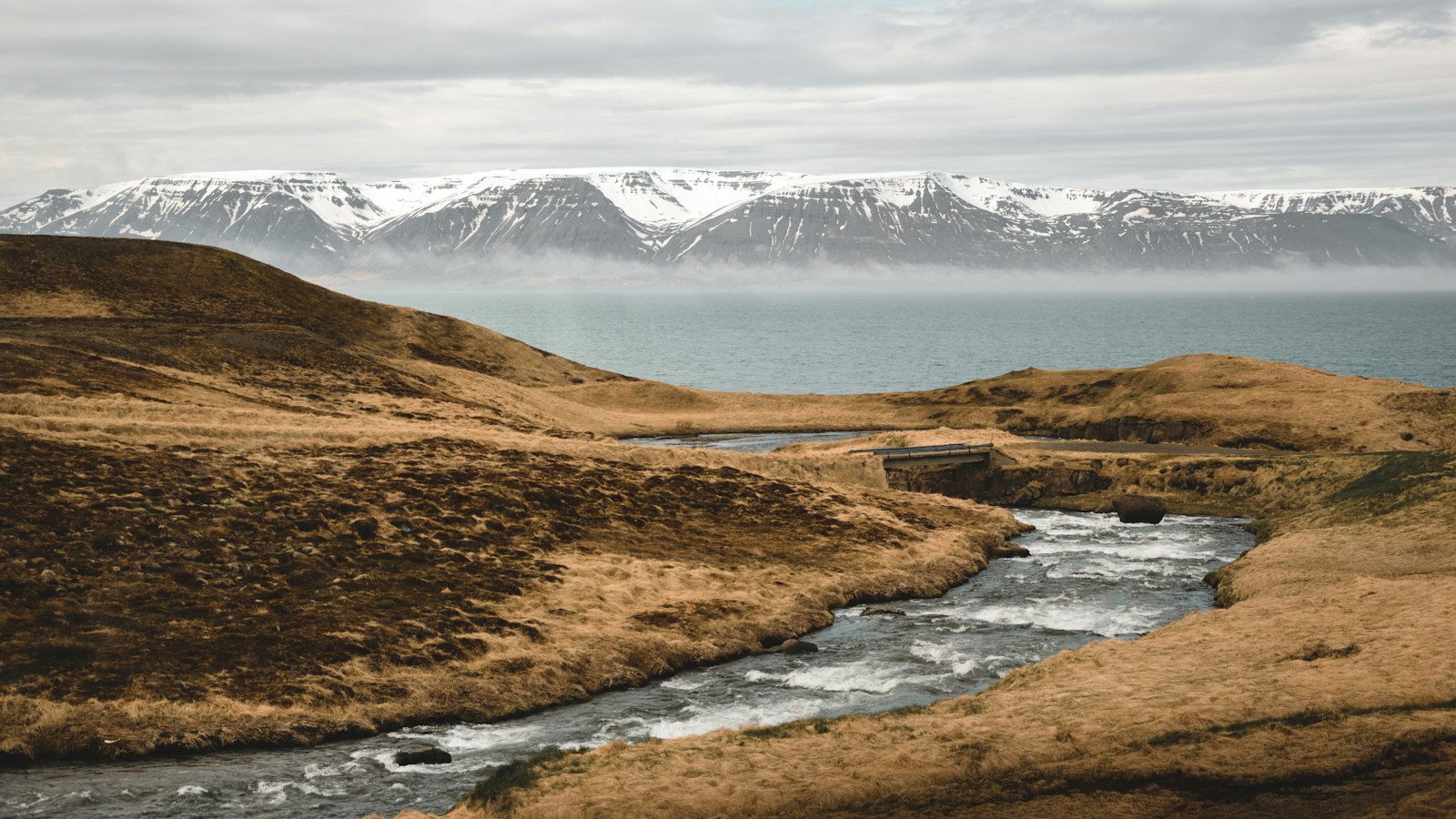
Among the rugged uplands and wet meadows of Iceland, a small, intriguing plant leads a double life as both predator and survivor. Known as Pinguicula alpina in Latin, or fjallalyfjagras in Icelandic, the alpine butterwort is a carnivorous herb well adapted to cold climates. Its range stretches across high latitudes from Iceland’s volcanic terrain to the distant Himalayas and the tundra of Siberia.
A life shaped by cold and hunger
Pinguicula alpina navigates the short, intense northern summer by forming ground-hugging rosettes of elliptic, sticky leaves. These leaves, varying in hue from pale green to red, use stalked mucilaginous glands to trap and digest small arthropods. When an insect lands, glands embedded in the leaf secrete digestive enzymes, and the leaf edge may roll inward to bring even more glands in touch with the unwitting prey.
Standing only 5–15 centimetres in flower, this perennial relies on a long-term strategy. Unlike other temperate butterworts whose roots wither in winter, P. alpina retains its fleshy, branching roots throughout the year. This adaptation allows it to store nutrients gleaned from captured insects for the long haul, rather than channelling new resources into immediate growth.
Alpine flowers and hardy seeds
After several years of slow growth, mature plants send up white, trumpet-shaped blooms singly on stems to 12 centimetres tall. The flowers have two upper and three lower lobes, tinged with yellow markings at the throat. Reproduction relies on flies for pollination, aided by a form known as protogyny, where female parts mature before the male ones.
Fertilized flowers produce small, rust-brown seeds within slender capsules. In warmer Arctic and subalpine habitats, the alpine butterwort often reproduces vegetatively as well, forming tiny bulblets at the base of its leaves, another way for the population to endure in shifting environments.
As winter approaches, P. alpina reduces itself to a compact bud, or hibernaculum, pressed against the soil. Unlike its relatives, it keeps its roots during dormancy, poised to unfurl as the next thaw arrives.
Widespread, yet just holding on
Despite its ability to persist in both wet and unusually dry soils, P. alpina is most often found in seeps, bogs, and rocky meadows above the treeline, frequently growing in the company of grasses and wildflowers characteristic of alpine habitats. In Icelandic and European folk medicine, various butterworts, including P. alpina, were used to treat wounds, swelling and chest ailments, though the different species were not distinguished in herbal lore.
Widespread across Eurasia, this species remains one of the most far-ranging butterworts, concentrated in the Alps, Scandinavia and highlands like those of Iceland. While secure overall, some local populations have disappeared, fitting a broader pattern of retreat from areas reshaped by agriculture or development. In Germany, Austria and parts of Switzerland, P. alpina receives legal protection to guard against further loss.
Sources
- Wikipedia
- Wikipedia (Icelandic) in Icelandic


