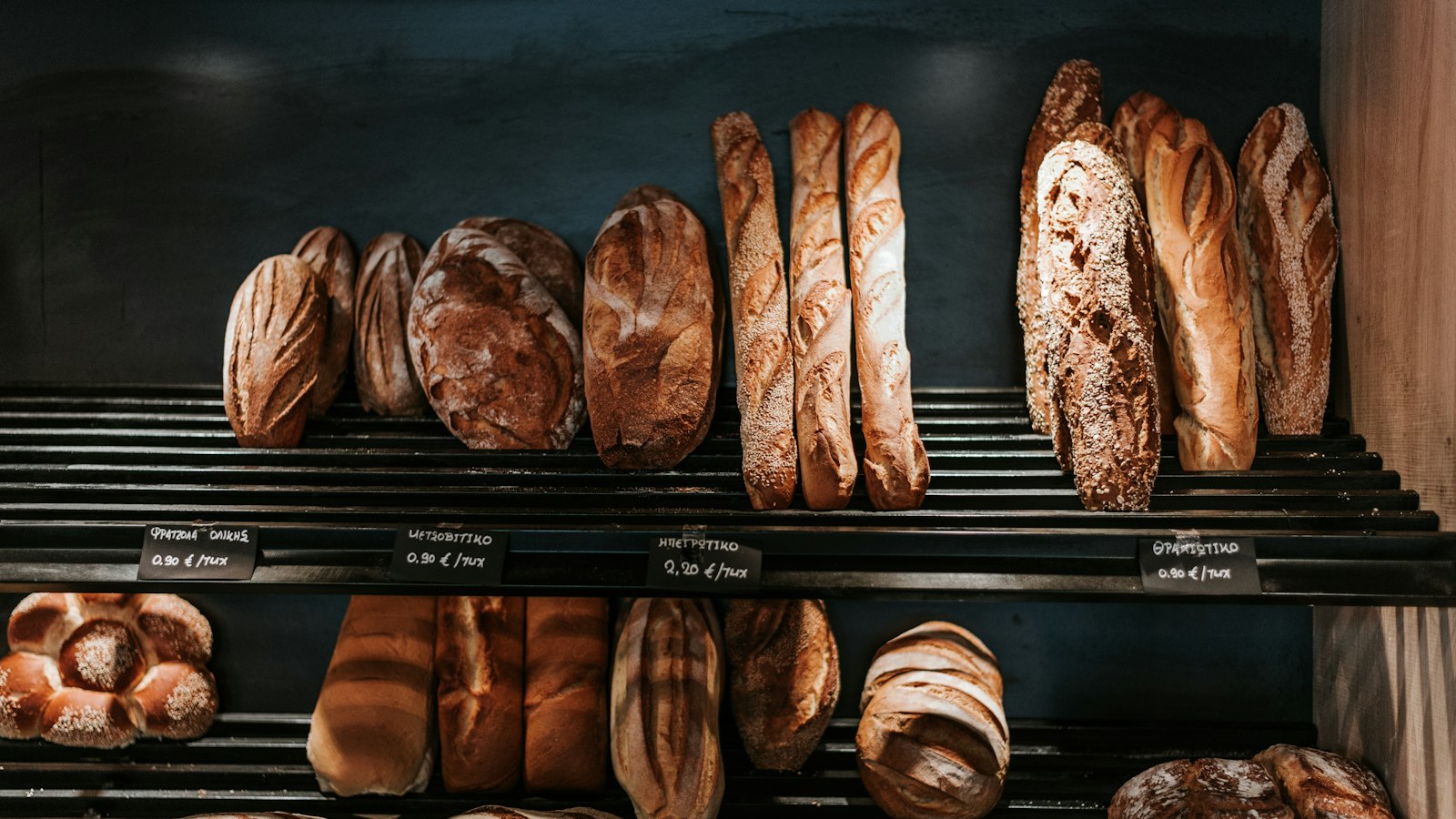
Rúgbrauð, often referred to as Icelandic rye bread or Thunder Bread, has been a staple in Icelandic kitchens for centuries. This traditional bread is made primarily from rye, a grain valued in Iceland for its low cost and availability, especially before modern imports.
Rúgbrauð’s origins go back to a time when Icelandic households did not have ovens. Instead, people cooked the dough in pots over embers left from the evening meal. Sourdough served as the primary raising agent, enabling families to use a bit of each loaf to ferment the next one.
Without added sugar, the bread developed its characteristic sweetness from slow baking at low heat. The arrival of electric ovens and modern leavening agents led to the inclusion of sugar or syrup in many recipes, which allowed for a shorter baking time. Over time, dietary habits shifted and white processed flour became more popular in Iceland, leading to a noticeable decline in rye bread’s popularity.
Traditionally, rúgbrauð dough was shaped in empty milk cartons and cooked by burying it near geothermal hot springs. This method made use of Iceland’s geothermal energy, which still provides the majority of the country’s power. Some people and local cafes continue to make rúgbrauð this way, although sealed tins have now largely replaced milk cartons.
The process of making rúgbrauð is straightforward. Unlike many bread recipes, there is no kneading or yeast involved. Ingredients are simply mixed together and the loaf is baked gently for several hours, usually overnight, to achieve the dense and moist results. Modern recipes sometimes mix rye with whole wheat flour for a texture that is softer and less crumbly.
How people enjoy rúgbrauð today
Rúgbrauð is often enjoyed with classic toppings such as smoked salmon, smoked lamb, or thick spread of butter. Its dense crumb and slightly sweet taste remain important parts of Icelandic food traditions, especially in the country’s rural areas and among those who maintain family recipes. For those wishing to try homemade rúgbrauð, choosing a long, slow bake is key to developing its unique taste and texture.