A wave of discussion started in Iceland on Tuesday, as Fréttatíminn published an article proposing the idea of a dedicated men’s day during which all men in the country would stop work for one day. The proposal called for a total work stoppage, not just among those in offices, management or in Alþingi, Iceland’s parliament, but among all men across all sectors, according to Fréttatíminn and as reported by Nútíminn, the first outlet to cover the story.
Fréttatíminn’s article named a range of occupations that would be affected in such a scenario: fishermen, truck drivers, electricians, smiths, plumbers, engineers, labourers, farmers, pilots and police officers would all take part in the proposed stoppage. As the coverage spread, Nútíminn and Vísir each weighed in, also raising the question of what would happen if all Icelandic men, including those in manual and skilled trades, refrained from working for a day.
All three media outlets framed the proposal as a hypothetical situation aimed at sparking public debate. The commentaries focused on the broad impact such a day might have on Icelandic society and its critical services, given the inclusion of all working men in the scenario.
Background
Alþingi, Iceland’s parliament, is the country’s national legislature and one of the world’s oldest parliaments. It was established in 930 at Þingvellir. Alþingi is now a unicameral assembly with 63 members, elected every four years, and the parliament building, Alþingishús, is located in Reykjavík.
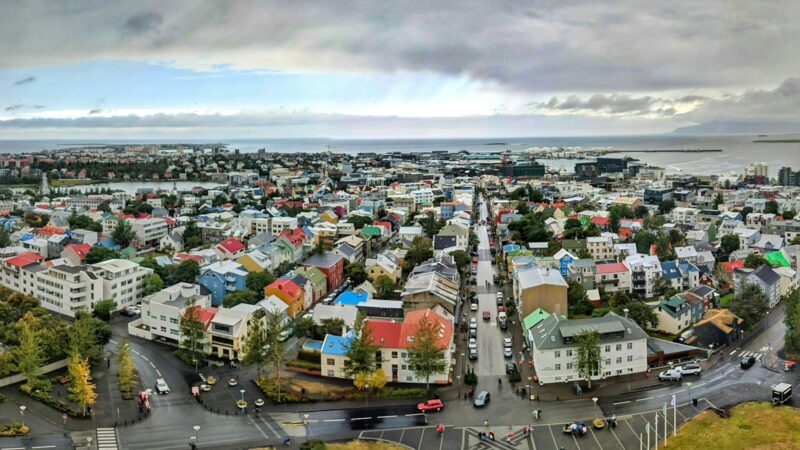
Iceland is a Nordic island country in the North Atlantic Ocean, with Reykjavík as its capital and largest city. The country is a sovereign state with approximately 395,000 residents, a democratically elected government, and Icelandic as its official language.
Sources
- Nútíminn (first reported) in Icelandic
- Vísir in Icelandic
- Fréttatíminn in Icelandic
Image: Ray Swi-hymn from Sijhih-Taipei, Taiwan / Wikimedia Commons (CC BY-SA 2.0) · licence, original (resized) Illustrative image.