The Icelandic mid-winter festival known as Þorrablót is a long-standing tradition that offers a unique look into the country’s culinary heritage. Observed from mid-January to mid-February, it marks the Old Norse month of Þorri and is a time for Icelanders to gather and enjoy a range of traditional dishes, some of which can surprise those unfamiliar with the country’s food culture.
Revived in the period after World War II, Þorrablót was intended to keep Icelandic food traditions alive as the population modernised. Today, it is primarily a social gathering, where families and friends meet to eat, drink and celebrate the customs of earlier generations.
Unusual meats and hearty classics
One of the most unusual dishes served at Þorrablót is súrsaðir hrútspungar: sour ram’s testicles. The organs are carefully cleaned, boiled, pressed into moulds and cured with lactic acid over several days, which results in a sour and tender dish that is sliced before serving.
Another renowned delicacy is hákarl, or fermented shark. This is made from Greenlandic shark that is buried and fermented, then hung to dry for several months. It is known for its strong aroma and has a reputation for being challenging to eat, even among locals. Traditionally, it is accompanied by brennivín, a strong Icelandic spirit, to balance the intense taste.
Svið, or boiled sheep’s head, is a visually striking dish. The head is singed to remove the hair and then boiled, often served halved and sometimes with the eyes intact. The meat is enjoyed with potatoes or other sides. From this same source, sviðasulta, a type of head cheese, is made by pressing the cooked meat and gelatin-rich juices from the sheep’s head into a mould, creating a sliceable meaty jelly.
Slátur, which includes blóðmör (blood sausage), is a traditional sausage made by mixing sheep’s blood with grains and seasonings, then boiling it inside a stomach casing. Lifrapylsa, or liver sausage, is another dish often served at Þorrablót. This is prepared from lamb liver and fat, combined with oats and rye flour, then boiled in a casing. Both sausages often appear with mashed potatoes and pickled sides.
Traditional breads, smoked meats and dried fish
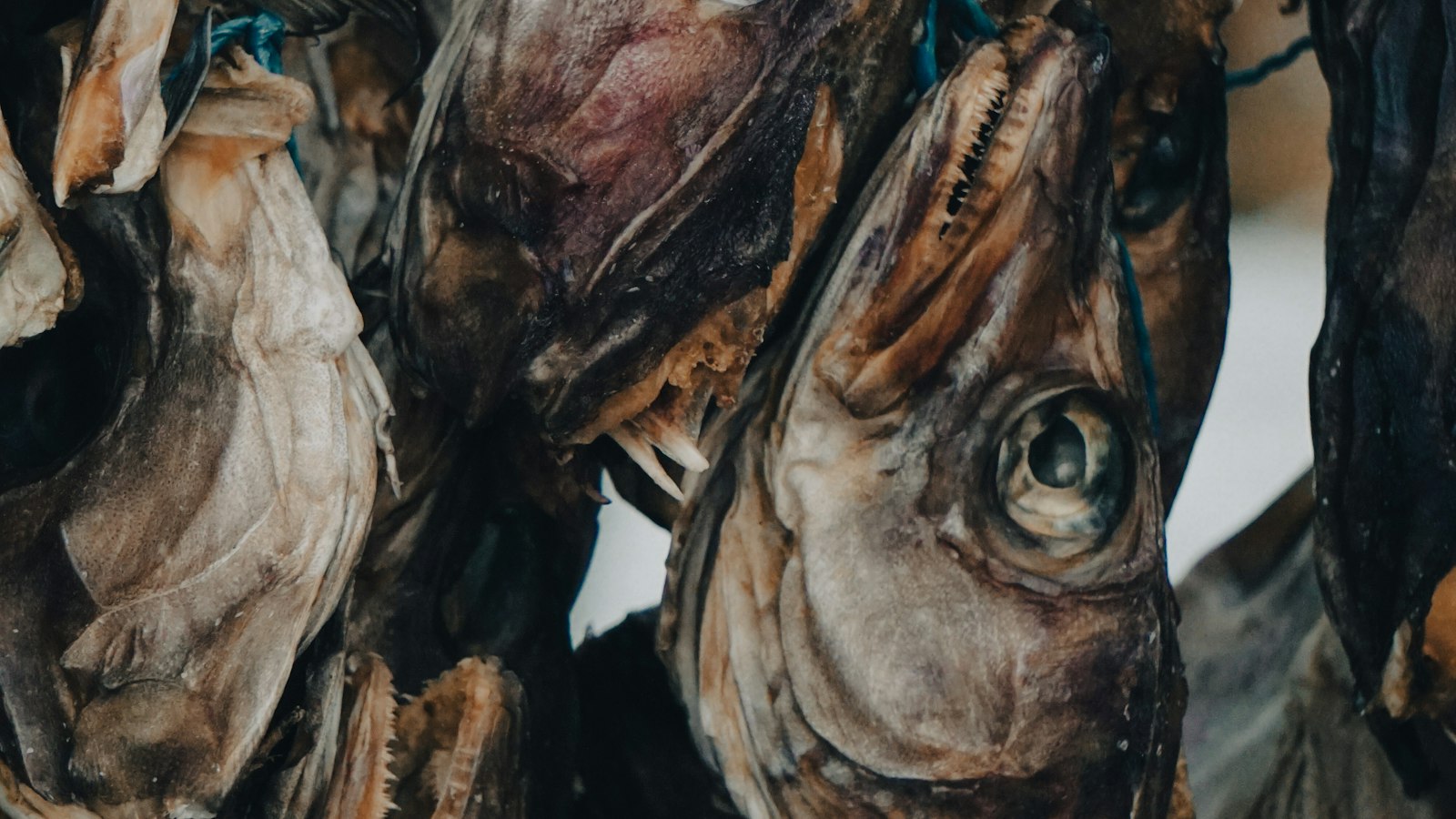
Alongside these more challenging dishes, Þorrablót tables also include hangikjöt, smoked lamb or mutton hung for several weeks and usually served with potatoes and gravy. Harðfiskur, wind-dried fish such as cod or haddock, is served in bite-sized pieces and sometimes paired with butter.
Dark rye bread, known as rúgbrauð, is a staple at Icelandic meals and always appears at these gatherings. The bread is dense and mildly sweet, famously called “thunder bread” by Icelanders, due to its ability to cause discomfort if eaten in excess.
Þorrablót remains a meaningful event in Iceland, bringing together people to share food, stories and heritage. While some dishes may be an acquired taste, the festival provides a glimpse into Iceland’s history and the resourcefulness of a nation shaped by its environment.