Ambitious investment plans by companies in Iceland’s land-based aquaculture sector could transform the industry into a major export driver, according to a report by Vísir. If these investments succeed, Iceland could see new jobs, increased economic value and more tax revenue generated by aquaculture activities.
The preparations for this expansion are already in place. Vísir reports that the groundwork for land-based aquaculture growth has been established, setting the sector up for potential significant development in coming years.
Innovation is also underway when it comes to managing waste from fish farming. According to mbl.is, the most advanced experiments with reusing sludge from aquaculture focus on producing organic fertilizer. This not only minimizes environmental impact but could create additional value from the same production stream.
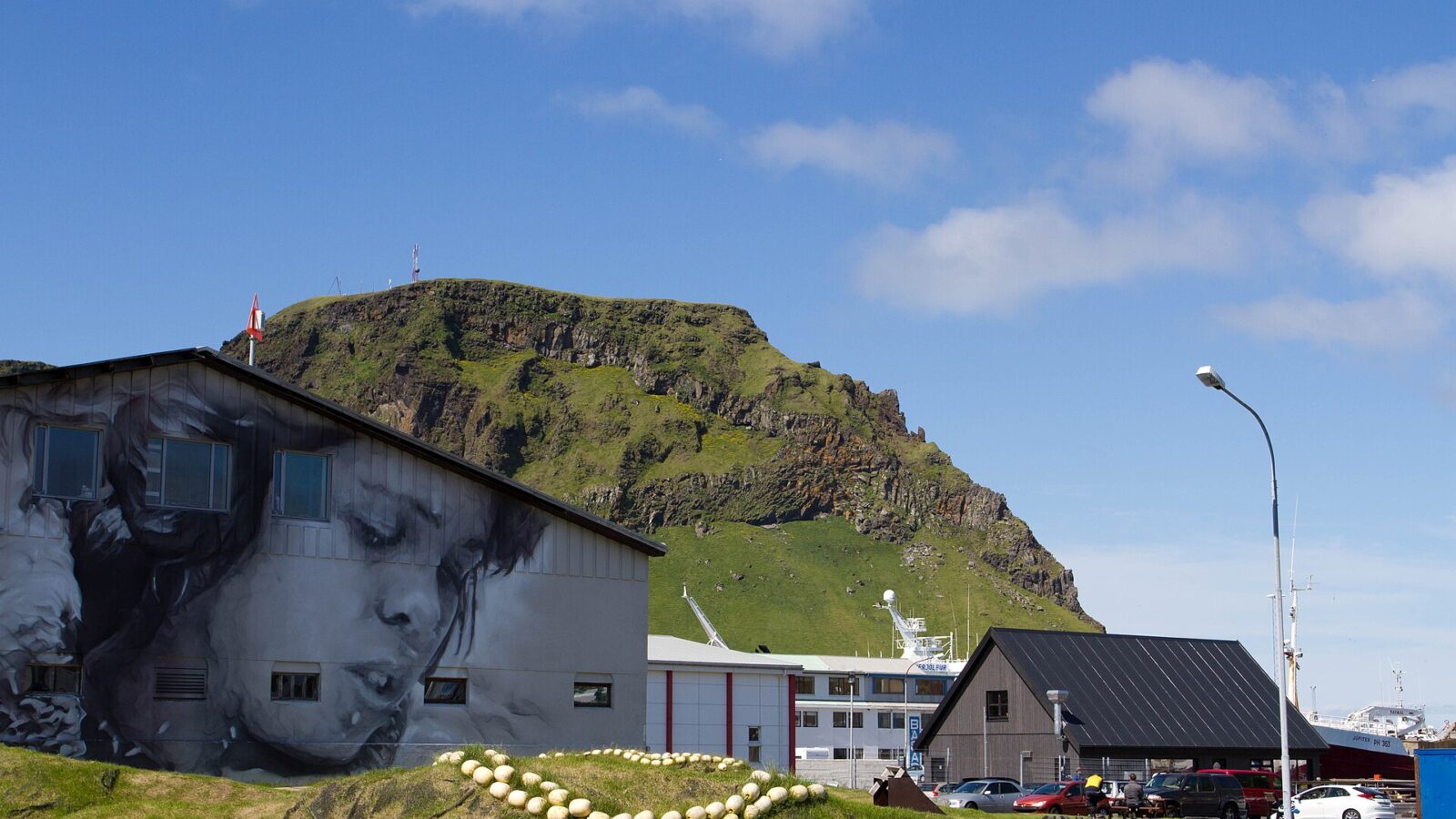
A notable pilot project is underway with Laxey, a company operating in Vestmannaeyjar, an archipelago off Iceland’s south coast. Laxey has put an experimental dryer into use, developed by the engineering firm Héðinn, to process fish farming sludge for organic fertilizer production. Gyða Pétursdóttir told mbl.is that the solution relies on Icelandic innovation, specifically a technology called spantækni.
Background
Vestmannaeyjar is a municipality and archipelago made up of 18 islands and about 30 surrounding rock stacks and skerries. The largest and only inhabited island is Heimaey. The islands are of volcanic origin, built up from submarine eruptions and composed of alternating layers of palagonite tuff and lava.
Sources
- Vísir (first reported) in Icelandic
- mbl.is in Icelandic
Image: voilier.evidence@gma… / Wikimedia Commons (CC BY 3.0) · licence, original (resized) Illustrative image.