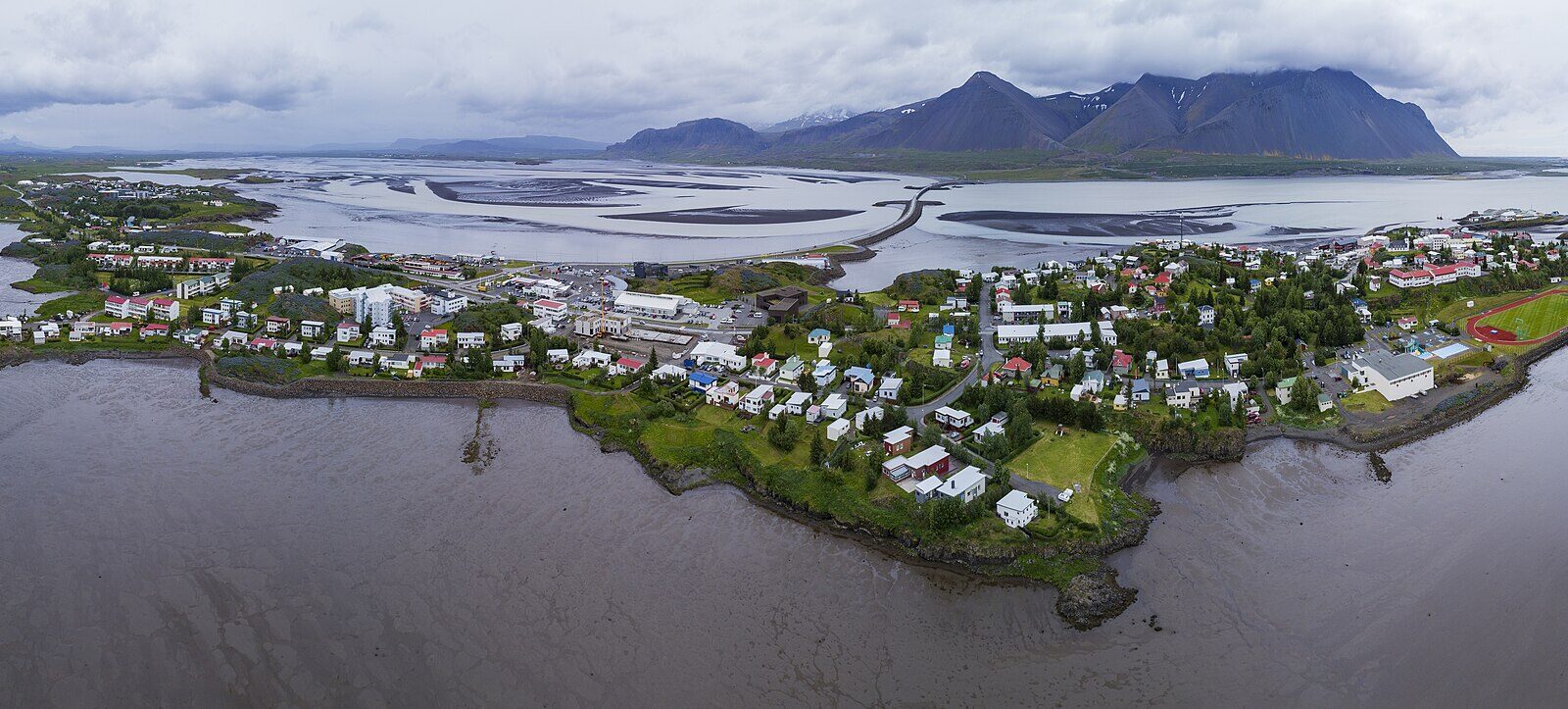
Borgarbyggð lies in West Iceland (Vesturland), stretching across roughly 4,927 square kilometres of countryside, farms and a network of villages and towns. The population has shown steady growth, reaching 3,353 in 2001. The municipality’s official coordinates place it at 64.6167 N, 21.7000 W, situating it within an area rich in natural features and cultural history.
Municipal mergers and geographic scope
Formed through successive mergers of smaller municipalities, Borgarbyggð has developed a distinctive municipal structure. Its origins date to June 1994, when four local municipalities combined. Additional mergers between 1998 and 2006 saw neighbouring areas incorporated, with the process concluding with the inclusion of Skorradalshreppur in 2026. Today, Borgarbyggð covers much of the historic county of Mýrasýsla and large parts of Borgarfjarðarsýsla north of the Skarðsheiði mountain range and the Skorradalur valley. It extends north to the border of Eyja- and Miklaholtshreppur and east toward Holtavörðuheiði.
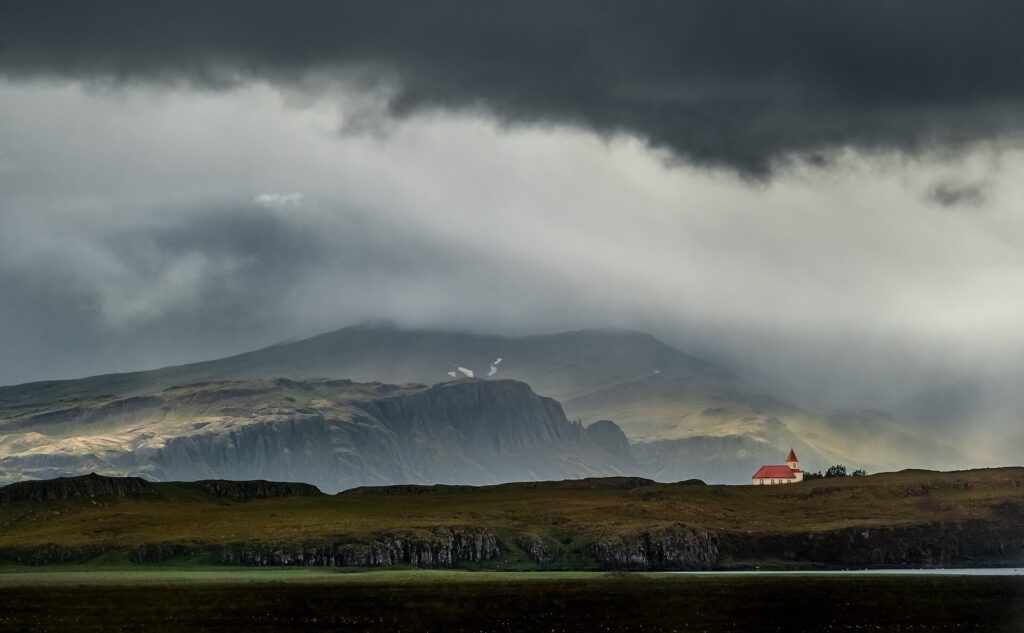
Towns and education
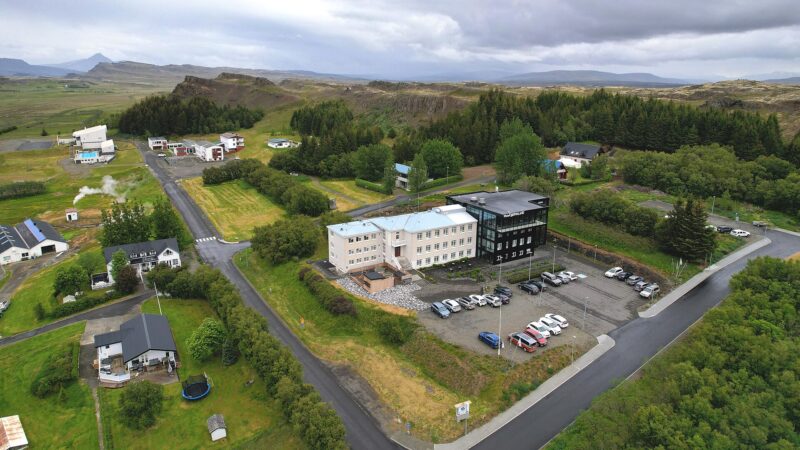
The largest urban centre in Borgarbyggð is Borgarnes, with around 1,887 inhabitants. The municipality also includes smaller settlements such as Bifröst, Hvanneyri, Kleppjárnsreykir, Reykholt and Varmaland, each contributing to the rural-urban dynamic that defines the area. Education is a notable feature of local life. Borgarbyggð hosts two universities: Bifröst University (Háskólinn á Bifröst) in the settlement of Bifröst, and the Agricultural University of Iceland (Landbúnaðarháskóli Íslands) at Hvanneyri. Secondary education is provided at Menntaskóli Borgarfjarðar in Borgarnes, while primary schools operate in several locations, including dedicated facilities at Borgarnes, Hvanneyri, Kleppjárnsreykir and Varmaland. A music school in Borgarnes adds to the region’s educational offerings.
Economy and daily life
Unlike many Icelandic communities of its size near the sea, Borgarbyggð does not depend on fisheries for its main livelihood. Instead, agriculture, services and various industries, such as food production, construction, and metalwork, form the economic foundation. The bulk of non-agricultural employment is centred in Borgarnes, the administrative and economic heart of the municipality.
Emphasising family life and sustainability, local policy supports community spirit, collaboration, and respect for the environment. Organic farming and related agricultural activities remain prominent, while recreational and sporting opportunities receive municipal investment. These priorities help shape Borgarbyggð’s reputation as a stronghold of rural resilience blended with academic and cultural engagement.
Further information about current educational opportunities, local governance, and municipal policies can be found on the official Borgarbyggð website, linked below.
Sources
Image: Chensiyuan / Wikimedia Commons (CC BY-SA 4.0) · licence, original (resized) Illustrative image.
Facts last reviewed 20 October 2026. Published 20 October 2026.